Inter’s European unease has become one of the early questions of their season: a side capable of imposing itself in Serie A has twice left the Champions League empty-handed, against Real Madrid and Bruges. The explanation does not appear to lie in old wounds or a lack of physical condition. Instead, the concern is increasingly about how the team reacts when a match turns against it.
The coach and the club
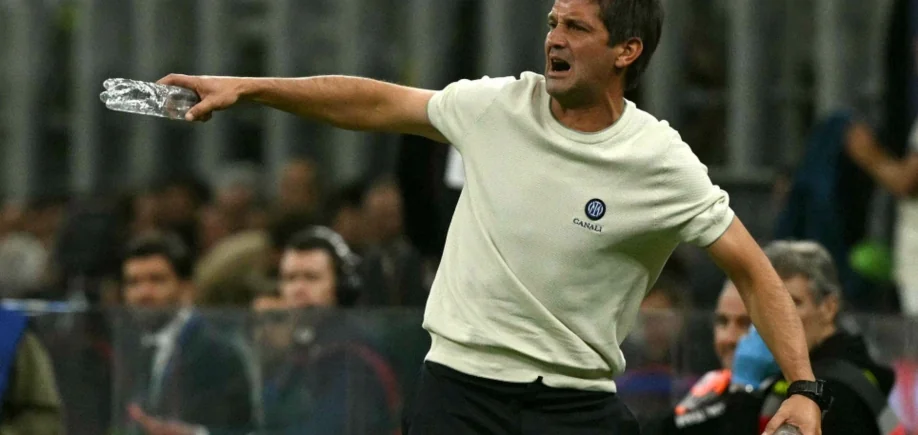
Cristian Chivu has spent the days following the two continental defeats examining why his Inter have not carried their domestic authority into Europe. The club’s recent Champions League disappointments, including the finals lost in Istanbul and Munich and last season’s play-off exit, may still form part of the background. Yet there is little indication that those experiences alone are weighing on the current group.
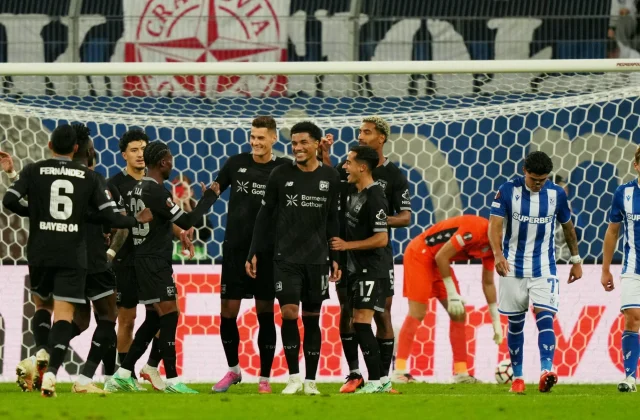
Nor do the running figures support the idea of a team short of fitness. At the Bernabeu, Inter covered nine kilometres more than Real Madrid, only to lose a match shaped by Pepo Martinez’s first serious mistake in goal. Against Bruges, Chivu’s players ran five kilometres fewer than their Belgian opponents over 90 minutes, and again suffered defeat.
The Madrid performance, in particular, offered a useful correction to the impression created during long spells against Bruges. Inter are not physically behind their opponents. A player reaching nine kilometres in a game is usually among a side’s most tireless runners; measured solely by distance covered, the total advantage in Madrid was comparable to having an extra player’s running output.
Running is not the whole answer
The numbers have redirected the discussion. The issue is not simply how far Inter run, but where, when and for what purpose those kilometres are used. If energy is spent chasing situations that could have been controlled earlier, the effort can leave the side exposed rather than secure.
That has been the contrast with the league. In Serie A, Inter have been more capable of absorbing an error or an awkward period before restoring their grip on a game. In Europe, mistakes have appeared to create anxiety. The urge to find an immediate response can make the team hurried and stretched, offering opponents clearer opportunities to punish them, as Bruges did.
Chivu’s task is therefore as much mental and collective as physical. The preparation is producing intensity, but Inter must turn that work into calmer decisions after setbacks. Their next step in Europe is not to run harder; it is to ensure that the team’s reaction to adversity resembles the composed, commanding version seen in the championship.