Bačka Topola, a small Serbian town better known for FK TSC than for international occasions, will host a Nations League fixture carrying far more than the usual weight of a League B return match. The Republic of Ireland and Israel meet on Sunday at the 4,500-capacity TSC Arena, with neither side able to stage the game at home and the wider conflict in Palestine casting a shadow over the occasion.
The first meeting was played in Hungary last Sunday, and the second leg will again take place on neutral ground. In Ireland, the decision to fulfil the fixture has prompted protests, while the atmosphere around the teams was already strained in the opening encounter.
Before that match, Ireland’s players did not take part in the customary handshake with their Israeli counterparts. They lowered their heads during Israel’s national anthem and wore black armbands in memory of those killed in Palestine. The captains also did not exchange pennants, removing another of the usual pre-match rituals.
A Spanish team for a difficult assignment
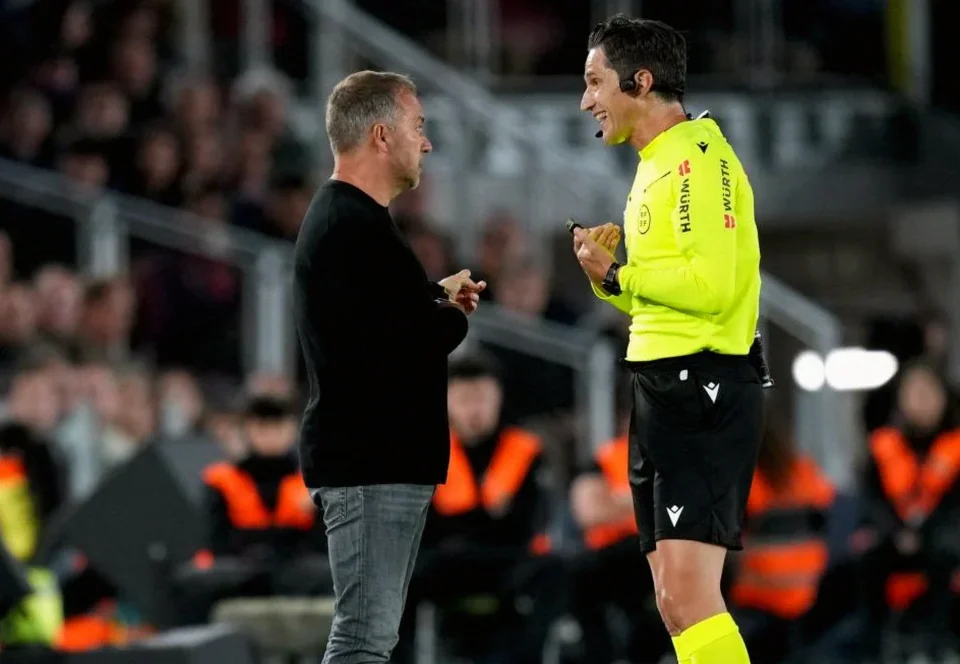
UEFA has appointed Juan Martínez Munuera, the Valencian international referee, to oversee Sunday’s game. He will work with an entirely Spanish officiating group in Serbia, an appointment that places a familiar European refereeing crew in an unusually sensitive setting.
Carlos Álvarez Fernández and Iván Massó will be the assistant referees, while Andalusian official Alejandro Quintero is designated fourth official. Quintero is set to receive international referee status from 1 January 2027. César Soto Grado will operate the VAR system, supported by Alejandro Muñiz Ruiz as assistant video referee.
For Martínez Munuera, it will be his first match involving the Republic of Ireland’s senior men’s side. His only previous involvement with an Irish national team came at Under-21 level, in a defeat. Israel, meanwhile, have only one earlier connection with the referee through Hapoel Be’er Sheva, a match that ended in victory for the Israeli club.
On a Sunday when the Nations League normally offers a modest stop between larger international tournaments, this contest arrives with the attention fixed as much on the setting and symbolism as on the football itself.