In the wake of a difficult stretch for Italy, Monday’s 4-1 win over Turkey offered more than a generous scoreline. Roberto Mancini’s side looked increasingly like a team shaped in his image: mobile, organised and clearer in its intentions than in the recent defeat to Belgium. The Azzurri remain a work in progress, but this was an encouraging evening for supporters who have waited through too many disappointments.
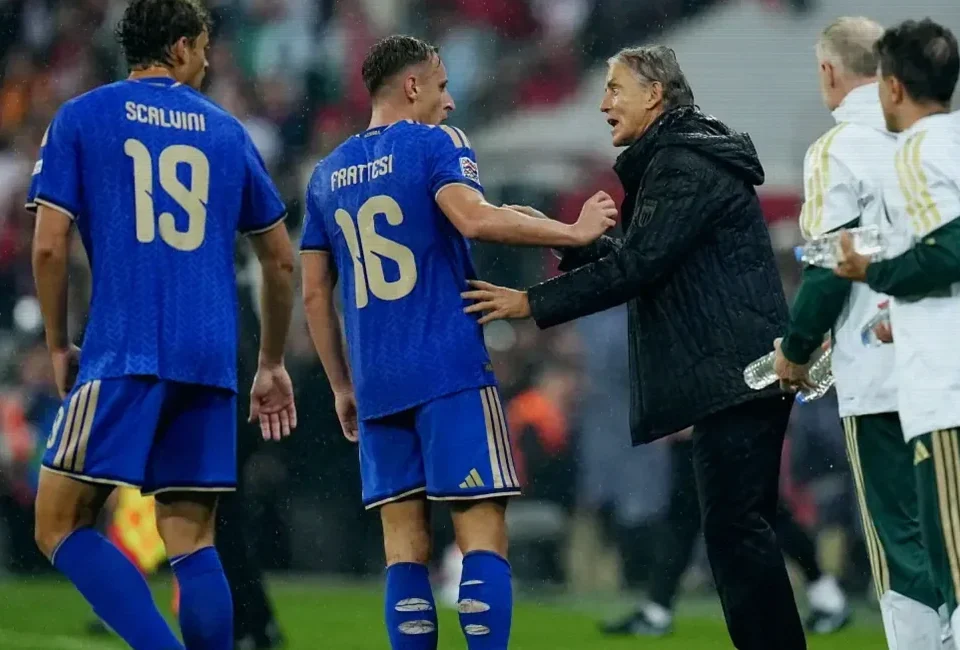
Italy began in a 4-3-3, with Michael Kayode on the right and Matteo Ruggeri on the left encouraged to advance from full-back. Giorgio Scalvini and Alessandro Bastoni held the defensive line, while Sandro Tonali provided the central balance in midfield. Davide Frattesi and Nicolò Fagioli connected the different parts of the side, and the Esposito brothers gave the attack its shape: Sebastiano Esposito and Giacomo Raspadori worked between the lines, with Pio Esposito leading the front line.
It was not an elaborate formula, but it was carried out with conviction. Italy moved the ball with purpose, filled the attacking spaces well and found a rhythm that had been missing against Belgium. Turkey could not prevent the contest becoming a statement of growing confidence for a side still searching for its final form.
Pio Esposito at the centre of the new Italy
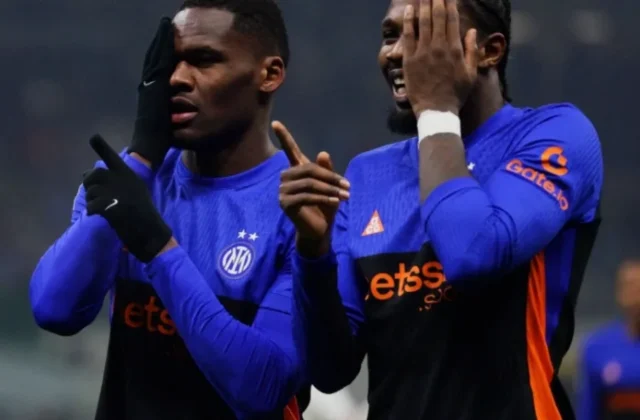
Pio Esposito, the 21-year-old Inter forward, supplied the most striking individual contribution before leaving the pitch. He scored once and created another goal, strengthening the sense that Mancini may have found a centre-forward around whom this version of Italy can develop.
There are echoes of the old Italian target men in Esposito’s game, with something of Luca Toni and Christian Vieri in his presence around the penalty area. Yet he also brings a more connective side to the role, able to combine with those behind him rather than simply wait for service. That mixture could be valuable as Italy seek a forward line capable of carrying a more fluid approach.
Alongside him, Frattesi in midfield and Bastoni at the back formed a promising spine. Frattesi is not yet an automatic selection, but his display gave him a stronger case in a department where Tonali and Nicolò Barella are also expected to carry major responsibility. Bastoni, meanwhile, again offered composure behind the advancing full-backs.
Kayode, Fagioli and Pio Esposito were among the younger figures to leave a clear impression. One comfortable win will not erase Italy’s recent history, nor settle the larger question of World Cup qualification. But after missing the last two editions, the country has seen an initial sign that the road towards avoiding a third consecutive absence may finally have a recognisable direction.