Javier Saviola still watches Italian football with a particular eye on Verona, the club that gave him a short but memorable partnership with Luca Toni. For a player whose career crossed River Plate, Barcelona, Benfica and some of Europe’s biggest dressing rooms, Hellas remains one of the places that carries a personal weight.
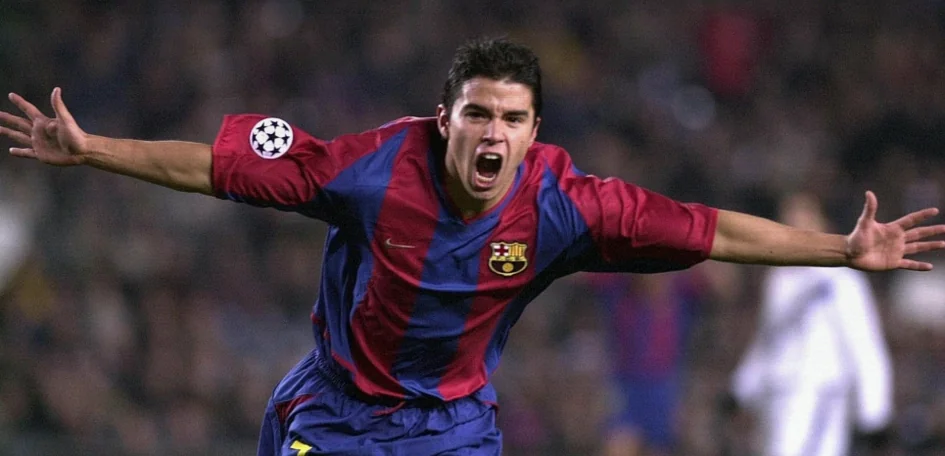
Now working as an agent, youth coach and football ambassador, the former Argentina forward looks back without the familiar regret that can accompany a career shaped by early expectations. Barcelona signed him at 19, in the summer when Real Madrid brought Zinedine Zidane to Spain, but Saviola never allowed that wider comparison to become his burden.
Quick facts
- Saviola has launched Creer Group with two partners and works as a player agent.
- He is involved with Barcelona and the Barça Legends, having previously coached the club’s Juvenil A side.
- The former striker is an Argentina national-team ambassador and honorary president of River Plate football schools in Argentina and abroad.
- At Verona, he played alongside Luca Toni and retains a strong affection for Hellas.
- He continues to follow Serie A, with Lautaro Martinez among the players he most enjoys watching.
His present-day work is rooted in the part of football that comes before the stadium lights. Saviola lives with his wife and two children, while his professional life includes representation, Barcelona commitments and youth development. He says passing on experience and values to young players is particularly rewarding.
That is also why his memories of Lamine Yamal are so clear. Saviola coached the winger in Barcelona’s youth ranks when Yamal was only 15, and recalls a player who seemed to create something in every session and even in informal matches.
What stood out most was not one dribble or finish, but Yamal’s reaction when the team was behind. Saviola saw a young player able to stay positive, take responsibility and help turn difficult situations around. He urges caution, however, over comparisons with Lionel Messi.
For Saviola, Messi was already exceptional when he first saw him at La Masia. Carles Rexach had repeatedly encouraged him to watch the teenager, telling him he was unlike the others. Saviola returned home convinced Barcelona’s future could be in the hands of a child with uncommon ability.
He remembers Messi’s speed of thought, close control, willingness to demand the ball and extraordinary intelligence. Yet he believes Yamal must be allowed his own path: Messi has already marked football history, while the younger Barcelona player has time to establish how far he can go.
Saviola’s own arrival at Barcelona came after the Under-20 World Cup in Argentina. Large crowds greeted him, and the scale of the move was immediate. Still, he says he felt neither public nor media pressure, because he was given the freedom to settle and play with enjoyment.
The timing invited comparisons that he never accepted. Zidane’s move to Real Madrid dominated that period, but Saviola understood the difference between an emerging 19-year-old and one of the game’s established greats. His focus was on meeting Barcelona’s trust with work and responsibility.
He believes Spanish and European football suited his qualities, and credits the standard of the teammates around him for helping his adaptation. When he retired, he did not feel he had left something untapped; his view is that he gave everything available to him at every club.
His best-known nickname in Europe was “El Conejo”, first given to him by Germán Burgos at River Plate. Yet his preferred name is “El Pibito”, the earlier nickname bestowed by Ramón Díaz when he began playing first-team football for River. It represents the beginning of the journey more than the fame that followed.
That journey eventually brought him to Serie A and Verona. Saviola says he has always enjoyed playing beside a traditional penalty-box striker: a forward with physical presence, goalscoring instinct and the ability to occupy defenders, leaving room for a more mobile partner to find space.
Toni fitted that description. The pair did not have long together at Hellas, but Saviola says he learned a great deal from the Italian. He describes Toni as a powerful, complete scorer who could create chances for himself, and remembers both their productive attacking understanding and Toni’s qualities away from the pitch.
Among the many forwards he played with, Saviola names Patrick Kluivert, Toni, Hernán Crespo and Óscar Cardozo. The lessons, he says, extended beyond technical matters. Pablo Aimar remains like a brother after their shared upbringing, while Ángel Di María represents persistence through family sacrifice and difficult beginnings.
Messi, in Saviola’s view, retained humility and respect even as he became football’s defining figure. Ronaldinho, meanwhile, brought another kind of influence to the dressing room. Saviola recalls a player who arrived and left training smiling, treating football with a lightness that spread to those around him.
At Benfica, he also shared a dressing room with Rúben Amorim, now known for his work as a coach. They won the Portuguese title under Jorge Jesus, in a side Saviola remembers as close both on and off the field.
Amorim was a regular player, but Saviola’s lasting impression is of his service to the group. He spoke often about technical and tactical matters, demanded standards from teammates and remained involved even when he was not selected. Saviola did not foresee the coaching career to come, but says Amorim’s personality, professionalism and collective sense were already evident.
Italian football remains part of his weekly attention. He follows Inter, Milan and clubs featuring Argentine players, recalling Inter figures such as Esteban Cambiasso and Javier Zanetti. Lautaro Martinez is among his current favourites, a forward he considers one of the strongest players around.
But the attachment to Verona is separate from the wider Serie A picture. Saviola wants to see Hellas winning again, not merely because of nostalgia, but because his time there remains one of the chapters he still carries closely from a career that began as “El Pibito” and travelled far beyond it.