Juventus left Cagliari with a point, but little comfort from another evening that exposed the distance between their ambitions and their current output. Luciano Spalletti’s side avoided a second defeat in six league matches through Randal Kolo Muani’s late header, yet the 1-1 draw at the Domus Arena kept them sixth and underlined a problem that is becoming difficult to disguise: possession is not becoming chances often enough.
The Bianconeri had 71 per cent of the ball in the first half and still failed to register a shot on target. Cagliari were prepared to defend deep, block the central routes and wait for the moment to break. When it arrived, a fortunate double ricochet helped Mendy find Maldini in front of goal, and Juventus were behind despite controlling the rhythm of the match.
It was a familiar pattern for a side that has scored only nine goals in six matches. For a club pursuing a Champions League place, and with broader title aspirations around it, that total stands in stark contrast to the league’s more productive sides: Inter have scored 18, Roma 14, while Lazio and Milan have each reached 11.
A point rescued, but no attacking answer
Juventus did push harder after the interval, but their attacking game remained laboured for long periods. Spalletti moved from a 4-2-3-1 into a 4-4-1-1, then made early changes by introducing Alajbegovic and Zeghrova at the start of the second half. Woltemade followed after the hour mark.
The substitutions brought greater urgency and also more risk. Zeghrova, the Kosovo winger whom the club had sought to move on even on loan until the final day of the transfer window, became increasingly involved. But it was Alajbegovic who supplied the decisive delivery, with Kolo Muani heading home to prevent Juventus from leaving Sardinia empty-handed.
The French forward’s goal did not settle the questions around his performance. He also missed the opportunity to put Juventus two goals ahead when Cagliari were struggling, a costly wastefulness in a side already short of clear openings. His display reflected the wider uncertainty around an expensive signing who has yet to offer a convincing answer in Turin.
Spalletti searching for a way forward
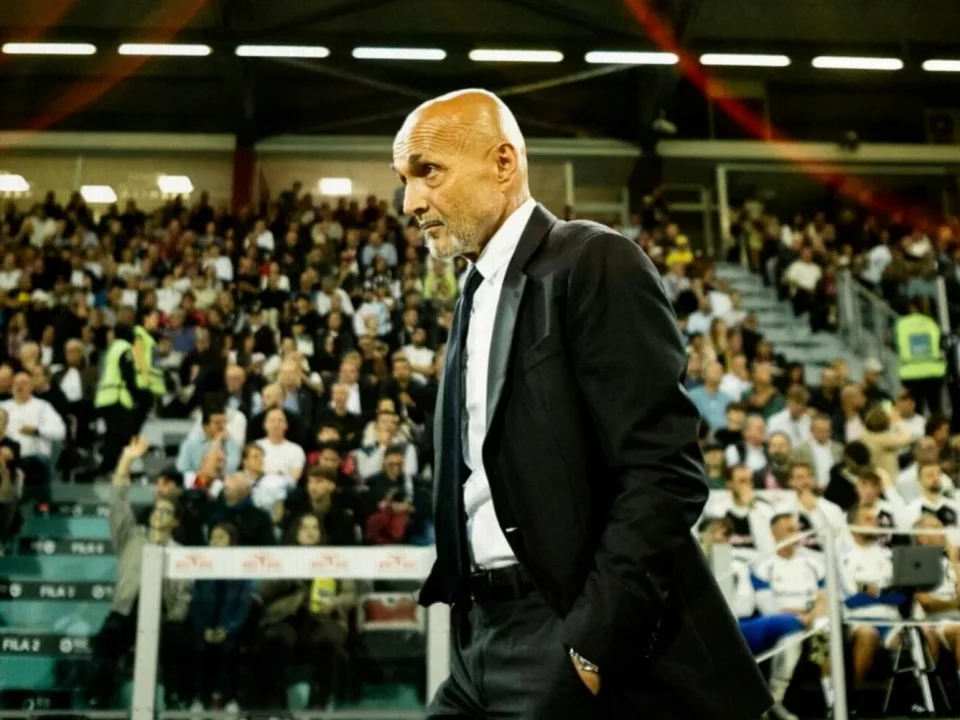
Spalletti appeared notably tense after the final whistle, an understandable response to a match in which his team had territorial control without sustained threat. Juventus moved the ball across the pitch but rarely found the pass that could open Cagliari’s compact defence.
The midfield has not consistently provided invention, while Francisco Conceicao’s energy has not translated into enough end product. Nico Gonzalez has too often been required to supply the solution, whether used wide or closer to the forwards, and Weston McKennie was unable to make his usual impact in Cagliari.
Injuries have contributed to the difficulties, but they do not fully explain the lack of fluency. Juventus have repeatedly built moves only for them to break down before the final pass or final touch. The draw may have stopped the immediate damage, but it did not halt the teams above them from pulling away.
For Spalletti and the board, the task is no longer simply to demand a response. Juventus must find a more reliable route to goal before the season’s early gap becomes a defining one. A point in Cagliari kept the result respectable; it did not provide the reassurance required by a club sitting sixth.