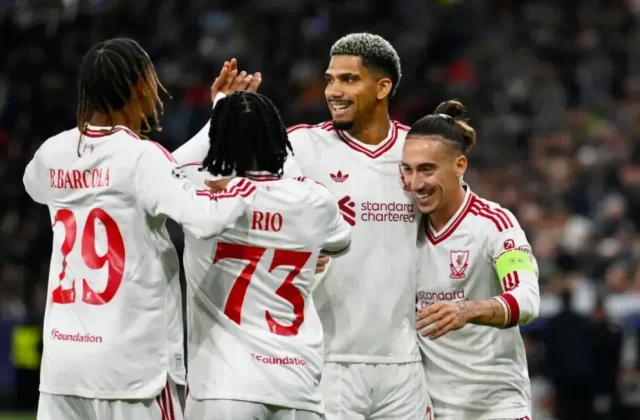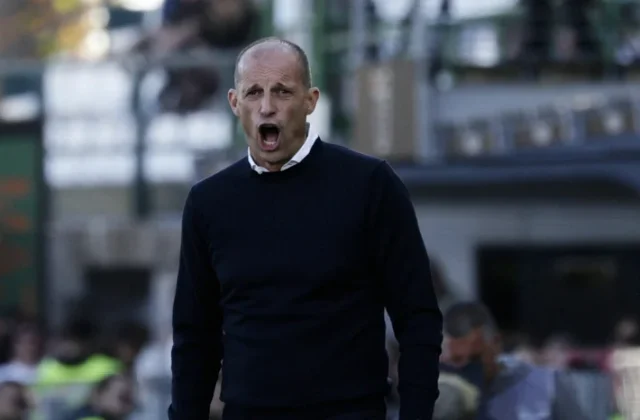
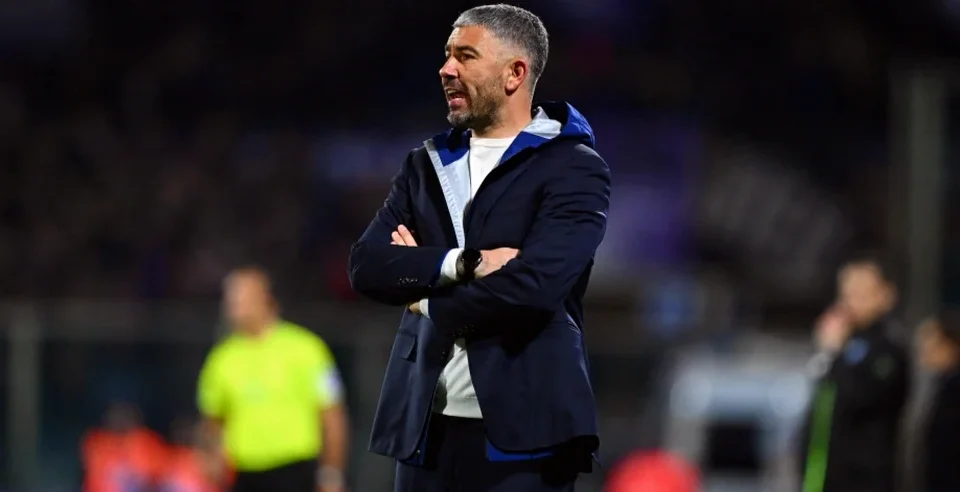
Inter turned another difficult afternoon into a 3-1 win at Bologna, recovering from an early setback at the Dall’Ara and finding the response that Cristian Chivu had demanded from the touchline. The coach had lost his voice by full-time after a match spent issuing instructions, reprimands and celebrations, leaving assistant Aleksandar Kolarov to address the media.
A comeback that restores Inter’s rhythm
Kolarov felt Inter’s opening approach had not been seriously wrong, even if Bologna’s intensity made the first phase of the match uncomfortable. The decisive change came after the interval, when Inter took control and completed another turnaround.
- Inter won 3-1 away to Bologna at the Dall’Ara.
- The Nerazzurri had fallen behind before recovering the match.
- Kolarov said the second half belonged to Inter, who imposed themselves after the break.
- He underlined the importance the squad places on away fixtures in Serie A.
Bologna’s energy was recognised rather than dismissed. Kolarov said the hosts had brought considerable intensity, but argued that Inter matched it as the game developed. For him, the contest was not simply a question of attitude: Inter had to meet Bologna’s physical and competitive level before their quality could decide the afternoon.
Chivu’s staff look for greater intensity
The win arrived after a Champions League defeat, but Kolarov rejected the idea that Inter were playing merely to answer outside criticism. The internal standard, he said, remains the only relevant one.
He described European football as quicker, with opponents pressing forward passes and second balls more aggressively. Inter have encountered difficulties in that environment, yet Kolarov insisted the team know their own level and still have time to make up the points already lost.
- Inter want to raise their tempo and intensity in possession.
- Kolarov said that responsibility begins with the defenders, who must move the ball with greater speed.
- He pointed to the enduring strength of the group and the quality available in the squad.
- The coaching staff believe the players do not need to prove anything to others, only to themselves.
It was a familiar message from a side trying to turn individual quality into a steadier league course: the response matters, but so does the way it is produced. At Bologna, Inter found both the result and the second-half authority that Chivu’s staff wanted to see.
Carlos Augusto rewarded for his work
Carlos Augusto emerged as one of the central figures in the recovery, contributing a goal and an assist. Kolarov praised the Brazilian’s consistency away from matchday, saying he has not put a foot wrong in training and always offers a substantial contribution when called upon.
There had never been uncertainty within the club over Carlos Augusto’s value, Kolarov added. His performance in Bologna gave that confidence a visible return, helping Inter turn a problematic scoreline into a controlled final result.
Errors accepted, but victory remains the measure
Defensive mistakes were also part of the post-match discussion after Bologna’s goal. Kolarov took a pragmatic view, saying errors are inherent in football and that the better team is not the one that never makes them, but the one that makes fewer than its opponent.
He did not judge Inter’s first half to be as poor as the scoreline initially suggested. The goal conceded came from an error, but Kolarov’s broader assessment was straightforward: if Inter score three times in a match, there is little reason to portray the performance as a failure.
For Chivu, temporarily voiceless after another demanding afternoon, the 3-1 score was the practical conclusion. Kolarov put it plainly: he would have signed for that result.