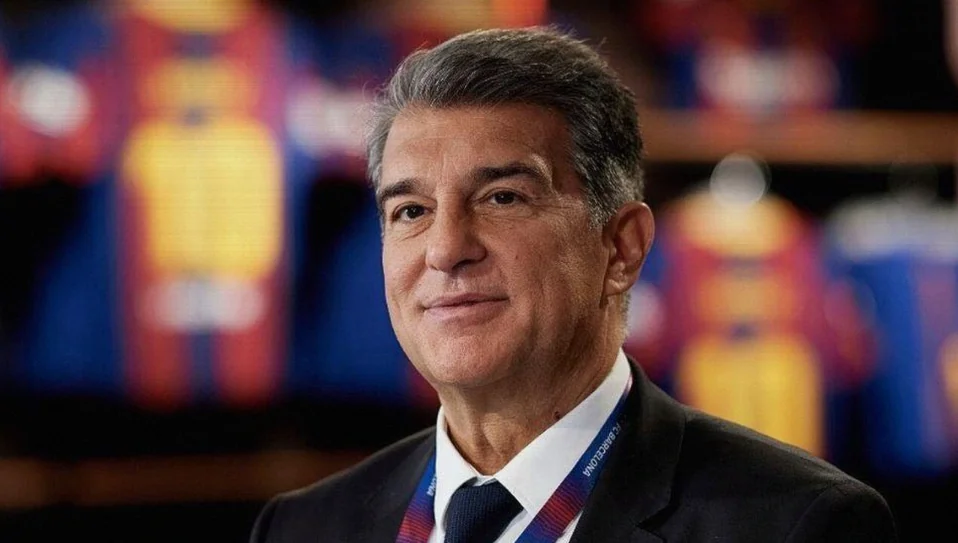
Barcelona president Joan Laporta has used the latest turn in the Negreira case to defend the club’s record and challenge Real Madrid’s conduct, insisting that the proceedings will end with Barcelona cleared. Speaking from the Catalan club’s current period of sporting and institutional confidence, Laporta said Madrid were trying to diminish recognition that Barça have earned around the world.
Key takeaways
- Laporta said Barcelona expect full exoneration in the ongoing Negreira case.
- He argued that allegations against the club are not being supported during the legal process.
- Real Madrid have submitted extensive material connected to the investigation to UEFA.
- The Barcelona president accused Madrid of seeking to damage Barça’s public standing.
- Laporta also criticised Madrid’s absence from executive discussion forums such as European Football Clubs.
A legal case and a rivalry beyond the pitch
The Negreira investigation has remained a source of tension in Spanish football, and Laporta said Barcelona had been judged publicly before the case had reached court. In his view, the evidence emerging through the proceedings has not established the accusations directed at the club.
“They tried to condemn us before we were judged,” Laporta said. “Now that the case is being heard, it is becoming clear there was nothing of what we were accused of. This will finish with Barcelona being acquitted.”
He added that those who had repeatedly worked to discredit the club would eventually have to correct their position. Laporta placed those remarks within a wider defence of Barcelona’s present standing, saying the club were enjoying football and receiving substantial international praise during an important chapter in their history.
Madrid, he claimed, were raising other subjects in an effort to draw attention away from that moment and to play down Barcelona’s achievements.
Laporta condemns Madrid’s UEFA move
The Barcelona president reserved particularly sharp criticism for Real Madrid’s decision to send a large volume of documentation related to the investigation to UEFA. He portrayed the move as part of a deliberate campaign against Barcelona’s image rather than an intervention in the interests of the game’s institutions.
Laporta described Madrid’s approach as overbearing, arrogant and hostile towards other football bodies. He also pointed to the club’s lack of involvement in executive debate settings, including European Football Clubs, as evidence of a broader stance against the football establishment.
“They are against everything and everyone,” he said, arguing that such an attitude was costing Madrid prestige, recognition and credibility both within Spain and internationally.