LOSC’s long-running stadium payment dispute has been brought to a close after the European Metropolis of Lille approved a settlement that will see the club pay €26.6 million in outstanding fees and interest.
The decision was adopted late on Friday during the metropolitan authority’s first meeting of the new term in Lille. It ends proceedings before the administrative court over unpaid rent linked to the Decathlon Arena Pierre-Mauroy.
Lille will pay €24.8 million in overdue stadium charges, plus €1.8 million in interest. The agreement also clears the way for the club to pursue a larger change in the way its home ground is run.
Lille move towards direct stadium control
The club is now expected to buy ELISA, Eiffage’s subsidiary responsible for operating the Decathlon Arena Pierre-Mauroy. However, that transaction cannot be completed for at least four months.
Should the takeover go through, LOSC would assume direct responsibility for the stadium’s commercial and technical operation, rather than continuing under the existing Eiffage-led structure.
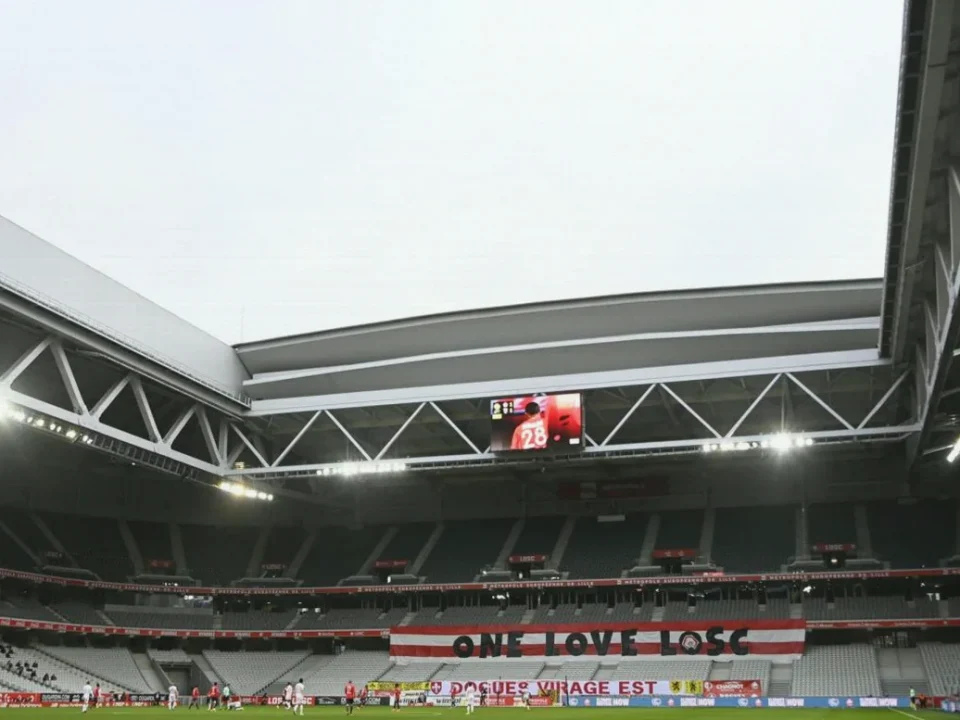
The Pierre-Mauroy stadium, which hosts Lille’s home matches, has also been used for major sporting and entertainment events. Greater operational control would give the Ligue 1 club a direct role in developing its revenue and event activity at the venue.
Metropolitan authority backs the deal
Eric Skyronka, president of the European Metropolis of Lille and mayor of Sailly-lez-Lannoy, said the vote represented an important step for both the stadium and the relationship between the local authority and LOSC.
He said authorising the planned purchase of ELISA by the club would allow Lille to take charge of the arena’s commercial and technical management while fully protecting the Metropolis’s contractual and financial interests.
Skyronka added that the arrangement was a structural development intended to help LOSC unlock the stadium’s potential, while enabling the MEL to benefit from the resulting economic activity within the terms of their respective commitments.