Madrid is pressing its case for the centrepiece of the 2030 World Cup, with Spain’s sports leadership publicly backing a final on Spanish soil as FIFA weighs the tournament’s defining venue.
Key takeaways
- Spain, Morocco and Portugal will jointly stage the 2030 World Cup.
- Madrid’s Santiago Bernabéu, Barcelona’s Camp Nou and Casablanca’s planned Hassan II Stadium are in contention for the final.
- Spain has 11 proposed host cities, compared with five in Morocco and three in Portugal.
- José Manuel Rodríguez Uribes says the Spanish government will campaign for the final to be held in Spain.
- The ultimate choice remains with FIFA and its decision-making process.
Spain makes its case
The debate stretches from the rebuilt stadiums of Madrid and Barcelona to Casablanca, where the future Hassan II Stadium is also being considered. The Bernabéu and Camp Nou each meet FIFA’s required capacity threshold, while Morocco’s new project remains a major candidate for the showpiece match.
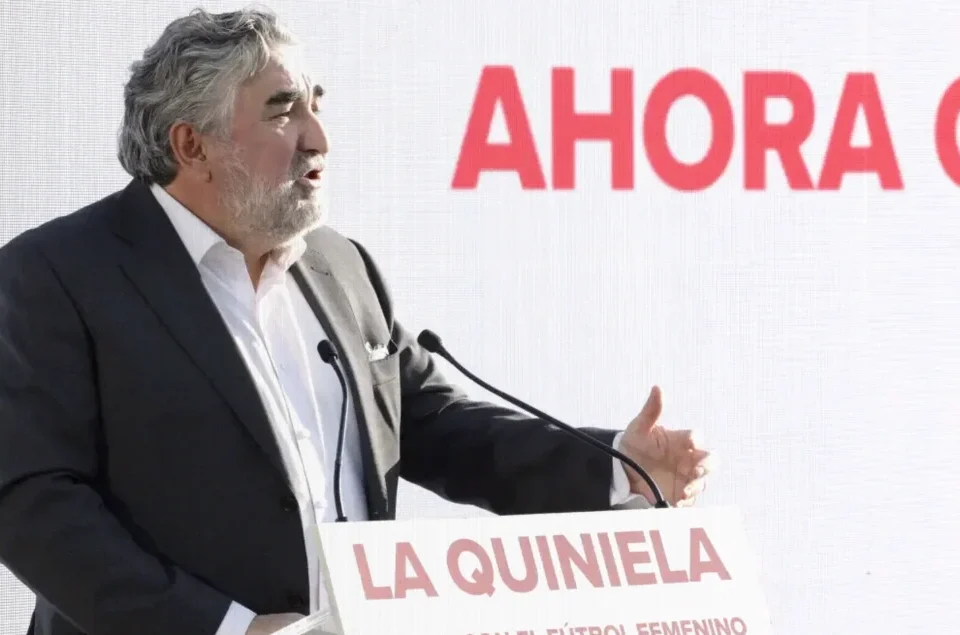
Rodríguez Uribes, Spain’s Secretary of State for Sport and president of the Higher Sports Council, said Spain’s arguments were strong but accepted that the host nations do not control the final decision. Speaking around the Spanish Football Federation’s tribute to its champions in Madrid, he said FIFA must follow its own procedures.
“If the decision were based on the arguments, it would already be settled because there is no shortage of them,” he said. “But FIFA makes that decision and its rules and procedures must be respected.”
He pointed to the scale of Spain’s proposed role in the tournament, with 11 venues against Morocco’s five and Portugal’s three. “We will support the final being played in Spain, of course, because I believe that is what should happen,” he added, while stressing that FIFA’s member nations and federations would ultimately determine the venue through its democratic process.
Infrastructure and a memory from Madrid
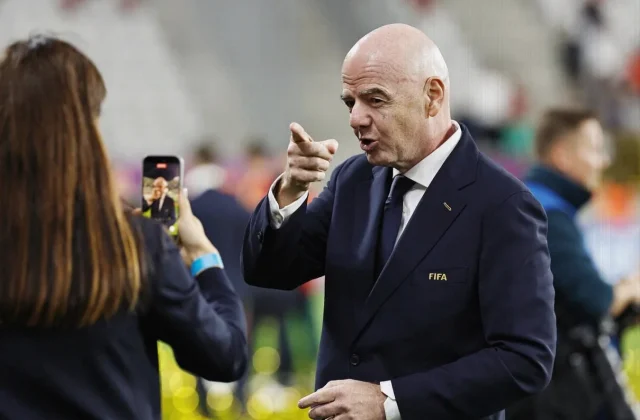
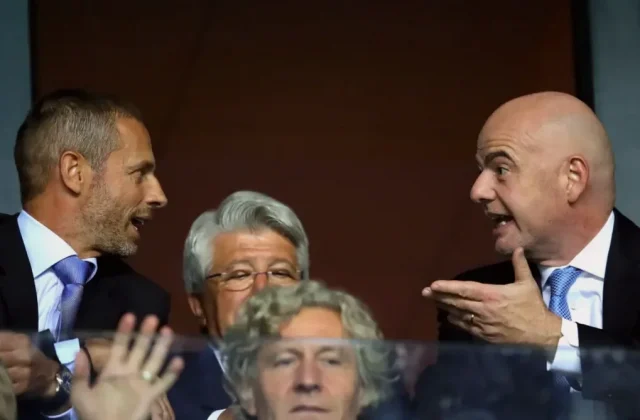
The Spanish case has also been reinforced by the visibility of Rafael Louzán, president of the Spanish Football Federation, alongside FIFA president Gianni Infantino at Sunday’s Women’s Under-20 World Cup final in Poland.
Uribes said he remained confident because of Spain’s sporting record and its experience of delivering major occasions. He recalled Madrid’s role in staging the Copa Libertadores final between Boca Juniors and River Plate after the match could not be played in Argentina.
That final was moved to the Santiago Bernabéu, where, Uribes said, it was delivered successfully and safely. Spain, he argued, has the stadium infrastructure, transport connections and organisational record required for a World Cup final — qualities he believes are already recognised internationally.