Germany’s youth record remains strong. Its pathway to the senior national team is under scrutiny.
Development debate in Munich
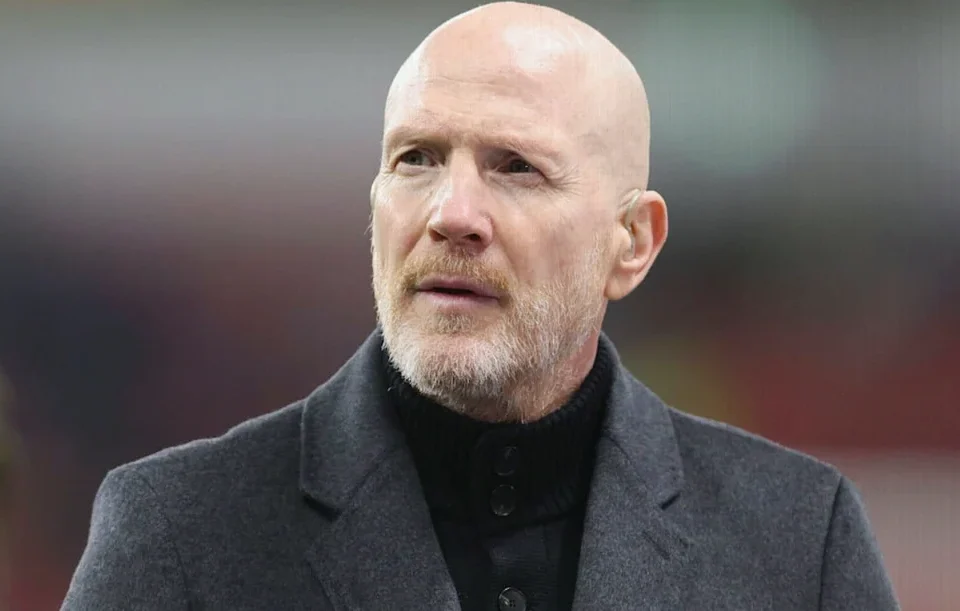
- Matthias Sammer, Augsburg coach Manuel Baum and Nuremberg sporting director Joti Chatzialexiou met at Munich’s Hotel Vier Jahreszeiten for a discussion on whether German football produces enough elite-level players.
- The debate followed Germany’s 1-1 draw in the Netherlands in Jürgen Klopp’s first match in charge, then a defeat to outsiders Greece. Bastian Schweinsteiger described German football as mediocre after that loss, a view captain Joshua Kimmich did not strongly reject.
- Chatzialexiou, who spent around 15 years at the DFB including work as youth coordinator, said Klopp could not solve the wider problem alone.
Germany have won eight international youth titles since 2006 and reached 14 finals. England also collected eight trophies in that period, while France won five. Spain lead the group: 22 final appearances and 14 titles.
The issue, the panel argued, is not a shortage of young players but the transition from promising youth sides to a functioning senior team.
Selection and basic skills
Baum said player development must begin at the base, not at the top. He believes Germany stops more talent than it develops, and asked why schools and public facilities do not provide regularly accessible pitches where children can play freely.
He pointed to the recent World Cup, where roughly 100 professionals had been born in Paris. Many came from difficult circumstances, but had opportunities to play football in different settings.
Chatzialexiou said Germany has sufficient talent but called it a country too quick to select players out. A youngster who is difficult, physically behind others or more extrovert can be discarded before development is complete.
Sammer, the former DFB sporting director and current Borussia Dortmund adviser, focused on training standards. He named Karim Adeyemi and Nico Schlotterbeck as high-quality players, but asked whether their development had left gaps.
His questions concerned players under pressure: can they beat an opponent one against one, dribble in tight areas and master the basic technical actions when space disappears?
Sammer rejected the idea that development should primarily build on existing strengths. He argued that reducing weaknesses produces the larger improvement.
A plan from the DFB
Sammer warned against copying Spain or other successful nations. In his view, an imitation will always fall short of the original. He said he was looking forward to Per Mertesacker beginning as DFB managing director for sport in January, because direction must come from the top.
He called for a clear and concise development framework, with defined priorities for each age group and enough patience to see it through. Germany, he said, has become too cautious and needs more courage in its decisions.
Sammer said the route back to higher standards was not complicated if there is a coherent concept. He remains available to advise the DFB, provided its leadership is prepared to engage without fear and focus on substance.
His final point was direct: people without football expertise should not shape the debate. Germany’s game, he said, can be improved if the right people set the programme.