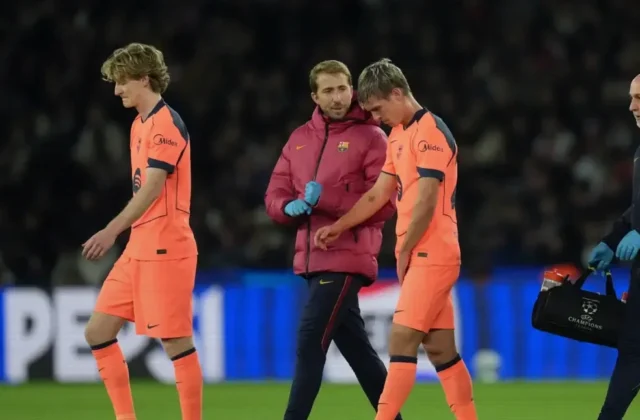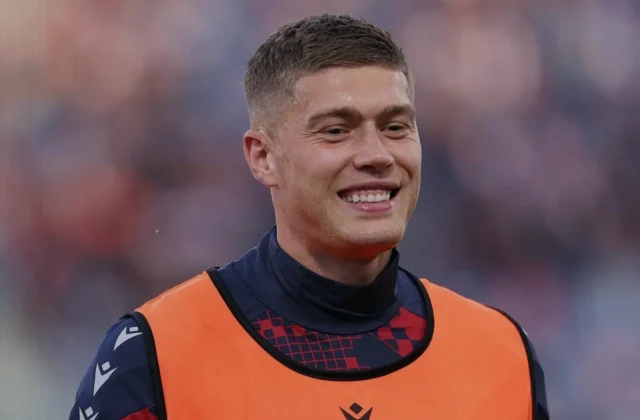
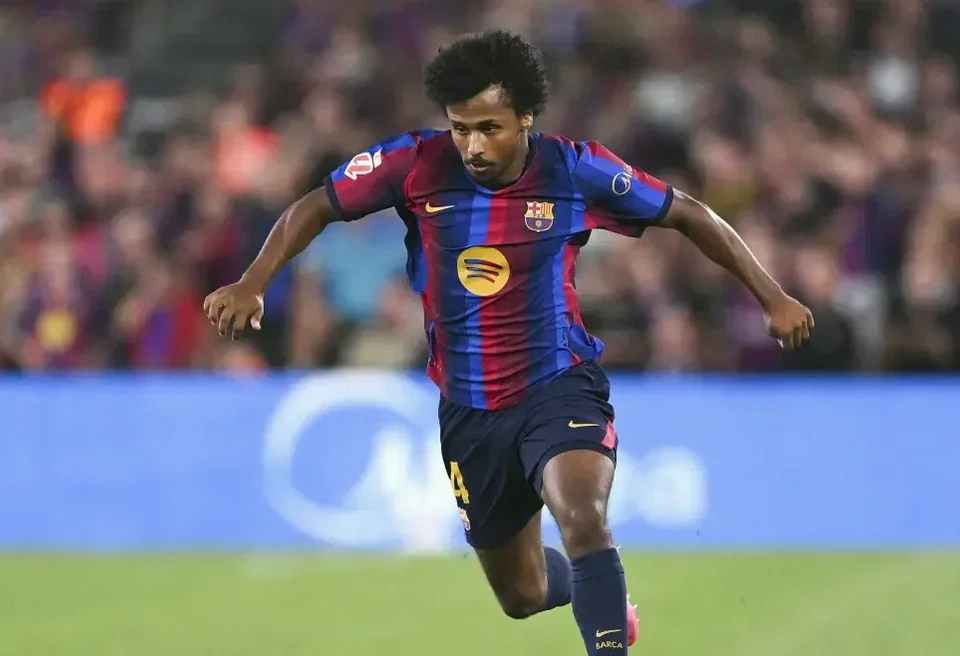
Barcelona’s early-season lift has carried Karim Adeyemi back into Germany’s international picture, but in Munich this week the forward became more than a revived name on the teamsheet. For Matthias Sammer, Adeyemi represents a larger question facing German football: whether a country rich in youth success is giving its most gifted players enough freedom to become decisive at senior level.
Adeyemi, 24, had been absent from Germany’s last World Cup squad despite arriving at Borussia Dortmund in 2022 from Salzburg as one of the Bundesliga’s most highly regarded young prospects. His bright beginning at Barcelona has changed the mood around him. Jürgen Klopp, now in charge of the national side, selected him from the start in each of his first two matches, against the Netherlands and Greece.
Those appearances took Adeyemi to 13 Germany caps, a modest total for a player with substantial club experience. His return has prompted discussion not only of his own path, but of how Germany develops attacking individuality.
Sammer’s warning from Munich
Sammer, the 1996 Ballon d’Or winner, former German Football Association sporting director and current Borussia Dortmund adviser, used Adeyemi and Kevin Schade as examples during a Wednesday round-table discussion in Munich on talent, elite development and the quality of training programmes.
“Adeyemi is unquestionably a very good player, and so is Schade,” Sammer said, before asking whether German football might have missed something in their development. His concern was that instruction has become too tightly organised around systems, with insufficient attention paid to the individual.
He asked what happens when players such as Adeyemi and Schade are denied open spaces: can they win one-against-one duels, and can they dribble their way out of difficult situations? For Sammer, those are not minor details but the instincts that separate promising footballers from players capable of altering major matches.
The 59-year-old argued that Germany has become too cautious and must recover the essentials of its own football culture. He was emphatic that the answer is not simply to reproduce another country’s model. “We are getting it completely wrong,” he said, adding that even the finest imitation remains below the original.
Youth trophies, senior expectations
The debate comes against a familiar continental backdrop. Spain’s success across age groups, with Barcelona among the leading suppliers of young talent, has become a reference point for other established football nations. Germany has won eight international youth titles and reached 14 finals since 2006, yet has struggled to translate that depth into a senior team as consistently successful as its predecessors.
Spain, by comparison, has appeared in 22 finals across its age categories and won 14. Sammer’s argument was not that Germany should pursue a Spanish copy, but that it should identify and trust its own defining strengths.
Klopp’s arrival has brought a fresh face to the Germany bench, while Per Mertesacker is expected to begin work as the DFB’s new sporting director in January. Sammer said he was looking forward to seeing Mertesacker’s contribution.
He also made clear that he would be willing to assist the federation if asked. The relevant figures, he said, would need to overcome their apprehension before a conversation could begin, but he had already told them that his focus was on substance. If they believed his experience could help, he said, they would receive an answer.