Luka Modric’s season has become one of continuation rather than farewell. The 41-year-old Milan midfielder returned to Croatia duty almost three months after the painful 3 July defeat to Portugal in Toronto, scoring in Prague against the Czech Republic and setting a new record as the oldest goalscorer in his country’s history.
Key takeaways
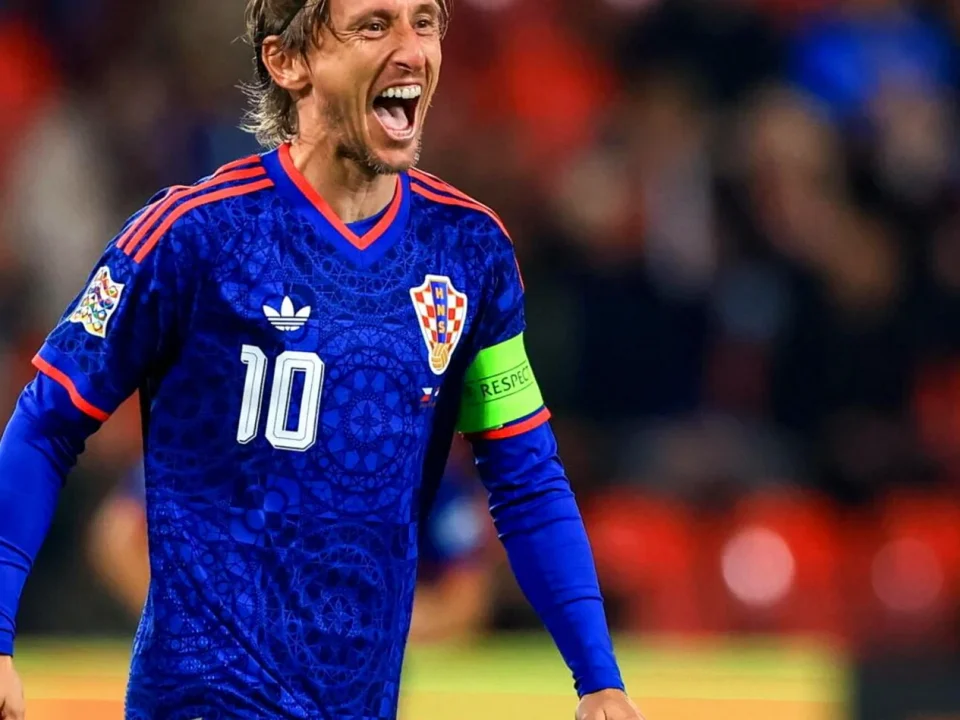
- Modric scored for Croatia in Saturday’s match in Prague while wearing the captain’s armband and the No. 10 shirt.
- The goal made him Croatia’s oldest-ever scorer.
- His international future had appeared uncertain after Croatia’s elimination by Portugal in Toronto on 3 July.
- Coach Slaven Bilic considers Modric essential to Croatia’s stability and tempo during a generational transition.
- Modric has also chosen to remain at Milan for another year, with his role to be managed by Ruben Amorim.
Croatia still has its reference point
The image in Prague was a familiar one, even if Croatia were unusually dressed in blue: Modric in the No. 10, captain’s armband on his arm, still carrying the responsibility that has followed him through his long international career. His goal against the Czech Republic added another mark to a record that was already difficult to separate from Croatia’s modern football history.
For many, the end was supposed to come in Toronto. Croatia’s defeat to Portugal on 3 July, decided in a match in which Goncalo Ramos headed home, seemed a possible final international chapter for Modric. It would not have diminished his standing. He is widely regarded as Croatia’s greatest player, and an exit against Cristiano Ronaldo’s Portugal could not rewrite what he had already given the national side.
But Modric did not want that match to define the ending. There is still a competitive edge in him, as well as the attachment to the shirt, and Croatia have asked him to remain present while the squad moves beyond the group of players that shaped the country’s recent achievements.
Bilic has made clear that Modric’s value reaches beyond a single match or a single goal. “For us, Luka means everything in terms of stability and rhythm,” the coach said after the game.
Earlier in the camp, Bilic had also explained that neither the coach, the federation nor Modric’s team-mates had doubted the player’s desire to continue. In his view, questions about retirement came mainly from outside the squad. Modric’s commitment to Croatia, Bilic said, had been obvious in conversations even before he took charge.
The coach also stressed that Modric has no interest in merely occupying a place in the group. He wants to feel useful, for club and country alike. Bilic’s position is straightforward: as long as Modric is playing for Milan and remains important there, he will continue to be considered by Croatia.
A second season at Milan
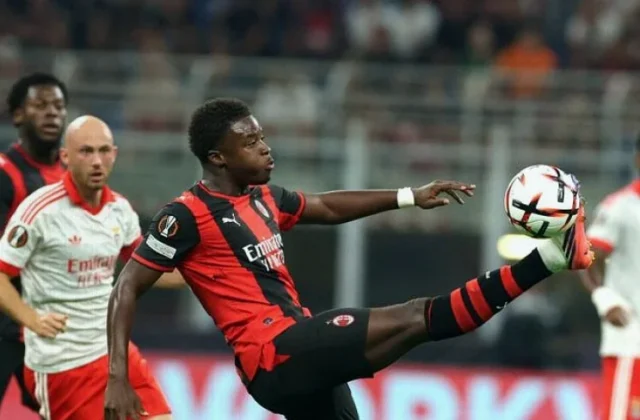
The same instinct has informed Modric’s decision to stay at Milan for another season. He does not want to leave after disappointment, and he remains determined to help take the club closer to the stature that first made him such a devoted supporter.
His contribution will be shaped by the demands of the season and by Amorim’s selections. The relationship between coach and player is described as direct and honest: Amorim knows what he can reasonably ask of his No. 14, while Modric understands what he can still offer.
There is no suggestion that he expects every match to be his. If a place on the bench is required, he will accept it without complaint. At this stage, Modric’s authority comes not from insisting on old privileges, but from continuing to compete for a role.
For Milan, that makes his renewal more than a sentimental decision. For Croatia, the Prague goal offered another reminder that their captain remains capable of shaping moments as well as guiding a changing squad. The record belongs to him now, but the larger point is that he has not yet treated it as the closing line.