Milan’s unbeaten league record has kept the early-season project on steady ground, but the visit to Sassuolo exposed how much work remains before Ruben Amorim’s side resembles the force its summer rebuild was meant to create. The Rossoneri left the Mapei Stadium with questions over their attacking cohesion, defensive concentration and the impact of a record-breaking transfer outlay.
A rebuild still searching for its rhythm
Amorim arrived with the intention of moving Milan away from a reactive past. The ambition was for a team able to impose itself, press with purpose and make opponents uneasy. There have been signs of those principles, but not yet enough authority or fluency to turn them into a settled identity.
The league table and the unbeaten start offer reasonable protection in mid-October. Yet Milan remain well down the Serie A rankings for both total attempts and shots from outside the area, numbers that underline the gap between the intended attacking model and its current output.
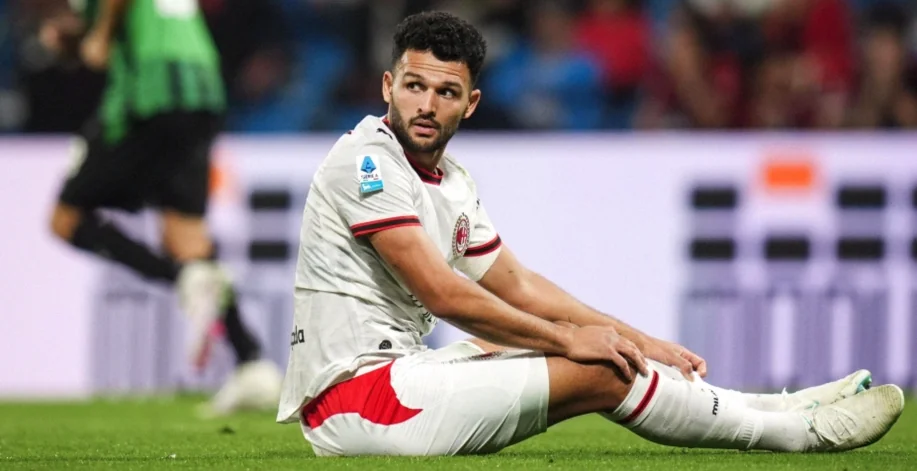
Against Sassuolo, Adrien Rabiot’s goal was Milan’s decisive moment, but his wider performance was uneven, with several lost balls and occasions when he arrived late to the contest. The Frenchman’s strike was one of only four Rossoneri efforts on target; the side also sent two attempts wide. Ramos, the centre-forward expected to give the new side a sharper edge, tested the goalkeeper twice but again struggled to look fully involved in Milan’s play.
The issue is less about Ramos alone than the service around him. Gonçalo has repeatedly had to chase possession in areas unsuited to the team’s only recognised central striker, leaving him detached from the attacks he is supposed to finish. Milan’s forward play, rather than their defending, has become the priority for Amorim.
What troubled Cardinale in Emilia
-
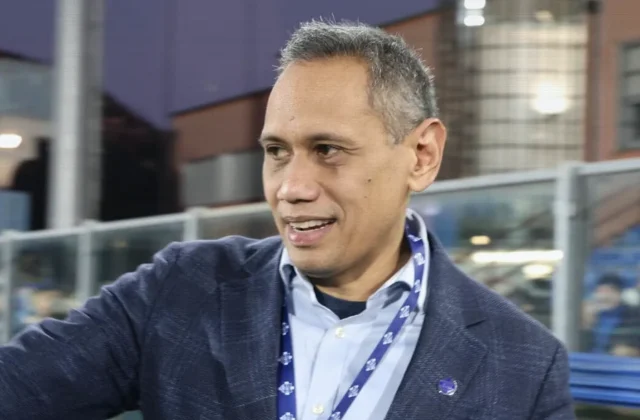
Gerry Cardinale watched Milan in Emilia after visiting Milanello on the eve of the trip, wearing a red cap bearing the words “Make Milan great again”. He expected a more convincing display from a squad assembled during the club’s most expensive summer window.
-
For long periods, the team appeared to operate in separate units rather than as a connected collective. The gap between midfield, wide players and the striker prevented Milan from converting possession into sustained pressure.
-
Christian Pulisic and Moreira were viewed as the brightest performers. Both attempted to create through individual initiative and showed good physical condition, but their next task is to make their invention count for the striker as well as themselves.
-
The defensive phase also raised concerns, particularly the major lapse that allowed Sassuolo to score. Amorim nevertheless recognised the bravery and timing involved in defending high against the pace of Laurienté and Berardi.
-
Set pieces have offered little relief. With open-play construction proving difficult, Milan need to threaten more from dead-ball situations, especially corners, but they have so far posed little danger from them.
-
Cardinale also believed Milan were let down by referee Fourneau. In his view, De Winter should have been awarded a penalty after being fouled, while Laurienté’s challenge on Gila near the edge of the Rossoneri penalty area merited at least a booking and possibly a red card.
The period shortly before half-time was the most encouraging part of the performance, but it did not change the broader judgement. Milan need more intensity, more chances, more aggression and a clearer collective understanding of how to play through matches.
The international break added to the strain
The pause in domestic football did not help the work at Milanello. Fifteen Milan players were away with their national teams, the highest figure in Serie A, while those who stayed behind did not all benefit from the quieter schedule. Matteo Gabbia and Alexis Saelemaekers both suffered injuries.
That leaves Amorim with limited time and a reduced group as he considers whether changes in personnel, approach or even shape are required. Altering strategy would not be unprecedented for the coach, but the need to find solutions is becoming more urgent.
A crowded run before November
-
Milan will travel to Salzburg on Wednesday ahead of Thursday’s second Europa League match of the season.
-
Atalanta will then arrive for the next home league fixture, when Cardinale is expected to be present.
-
The following sequence includes Bournemouth, Udinese, Bologna, the derby, Ferencvaros and Genoa before the November international break.
The schedule brings pressure, but it also gives Milan repeated opportunities to give substance to their project. With commitments increasing and available options shrinking, Amorim and his players must quickly turn an unbeaten start into a more convincing chapter of the season.