There was no box score attached to this one, only the steady work of making a ballpark easier to enter, navigate and enjoy. Across Major League Baseball, clubs are expanding sensory support, accessible technology, trained staff and dedicated spaces for fans with disabilities, with resources now available at all 30 ballparks.
A broader ballpark experience
More than one in four adults in the United States lives with a disability, while the global estimate is one in six people. MLB and its clubs have continued to build accessibility planning into regular-season games as well as major events including the World Baseball Classic, All-Star Week and the Field of Dreams showcase.
The leaguewide menu includes sensory kits, quiet areas, sensory rooms, social-story guides and accessibility maps that can help fans and families prepare before reaching the gate. Nearly every club also provides closed captioning inside the park or through the MLB Ballpark app. Other additions around the league include universal changing tables and expanded sensory-friendly spaces.
Teams have developed those programs alongside local hospitals, health-care providers, autism centers, Easterseals and KultureCity. A number of clubs also have earned sensory-inclusion credentials from KultureCity or the International Board of Credentialing and Continuing Education Standards.
At Philadelphia’s All-Star Week earlier this year, KultureCity Sensory Activation Vehicles were stationed at Citizens Bank Park and the Capital One All-Star Village. The vehicles included beanbag seating, illuminated visual panels and bubble walls. Fans also could pick up sensory kits containing headphones, fidget items and visual cards for communicating feelings or needs during moments of sensory overload.
Technology in Arizona and Cincinnati
Arizona became the first MLB club to make OneCourt devices available during games. The handheld technology turns live MLB game information into vibrations that can be followed by touch, along with audio prompts, giving blind and low-vision fans another way to keep up with the action.
“We are proud to be the first MLB team to adopt OneCourt’s technology and continue our mission to grow the game of baseball,” Diamondbacks president, CEO and general partner Derrick Hall said. He called the program an important accessibility step and said every fan should be able to feel connected with the club.
The Reds added another technology-based option at Great American Ball Park. In 2026, Cincinnati became the first club to offer both Aira Explorer and Aira ASL without an extra charge to fans. Aira Explorer links blind and low-vision visitors with visual interpreters, while Aira ASL connects deaf and hard-of-hearing fans with American Sign Language interpreters for help moving through and communicating at the ballpark.
Wrigley Field’s autism certification
Wrigley Field earned Certified Autism Center status through IBCCES earlier this year. At least 80% of Cubs employees who work directly with guests completed autism and sensory training, and IBCCES conducted an on-site assessment to identify further improvements at the historic park.
Cubs guest-experience director Jessica Nugent said the goal is for every visitor to have a workable, welcoming option. The measures matter not only to people with autism or sensory needs, she said, but also to relatives and friends planning a day at the ballpark and wanting confidence that they will be supported and safe.
Alex Bregman, in his first Cubs season after joining the club as a free agent last winter, has supported autism advocacy since his early Astros days. His Bregman Cares foundation works to help children through several avenues, and he welcomed the club’s efforts at Wrigley.
“I really appreciate it,” Bregman said. “I think it’s awesome. It’s super cool that this ballpark is autism friendly.”
Dedicated rooms and a future service dog
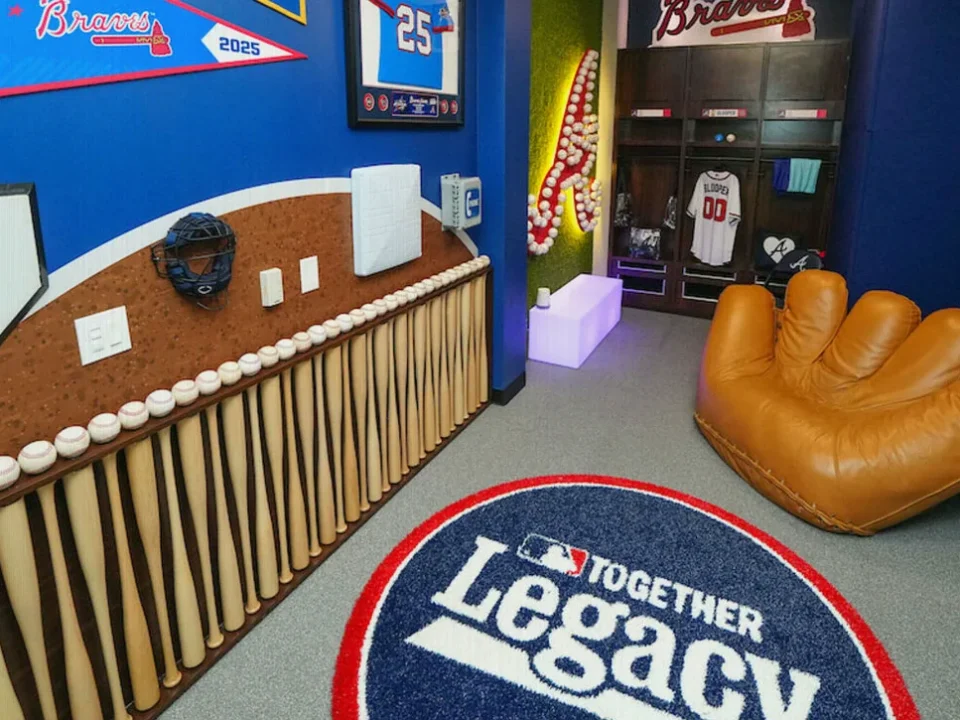
The Braves, working with MLB, opened the Braves Haven All-Star Sensory Lounge at Truist Park last year as part of the club’s All-Star Legacy Project. Located behind Section 218, the lounge is designed to reduce sensory stimulation and provide a more comfortable setting for guests with a range of sensory needs.
Houston opened a permanent sensory room at Daikin Park earlier this year, ahead of the ballpark’s World Baseball Classic hosting duties.
Washington has taken a different route through its work with Canine Companions and Eukanuba. In May, the Nationals introduced Natty, a Golden Retriever-Labrador mix, as the team’s official dog. Natty made his Major League debut against the Orioles on May 15 and lives with puppy raisers in Virginia while learning the basics of service work.
After roughly 18 months, Natty is scheduled to begin professional instruction with Canine Companions, with the hope that he will eventually serve a person with a disability.
Recognition beyond the gate
The Guardians and Rays both mark Disability Pride Month each July with community giving, in-game features and events involving local partners. Each club also works with community organizations throughout the year to educate staff and teammates.
Those observances include National Disability Independence Day on July 26, a date recognizing the rights and achievements of people with disabilities and the anniversary of the Americans with Disabilities Act, signed into law in 1990.