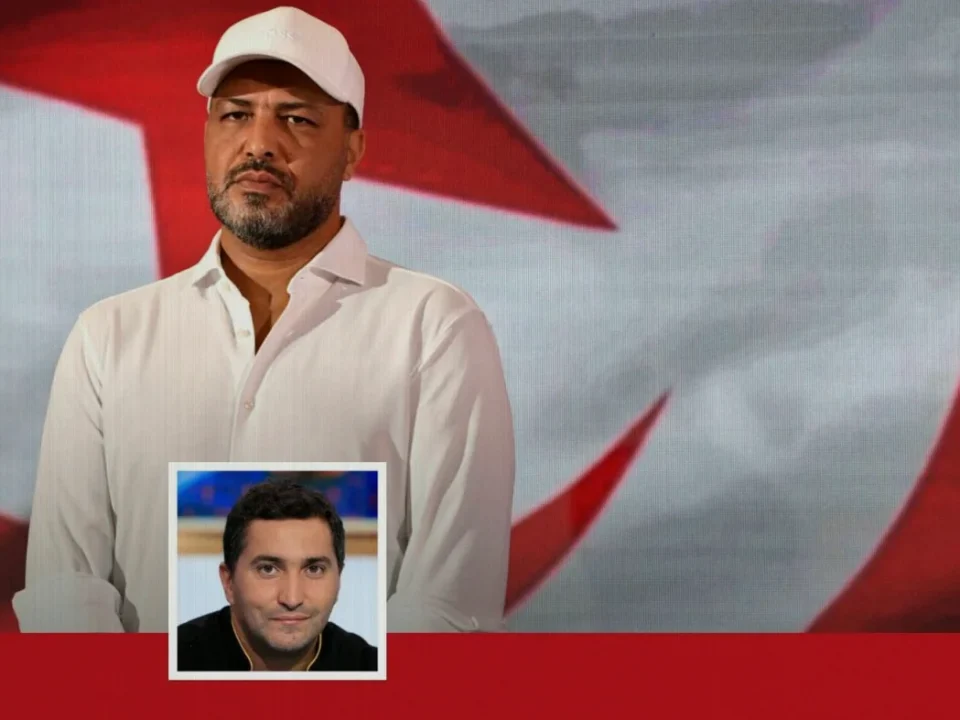
Tunisia return to Radès on Thursday with the scars of a World Cup collapse still fresh. Mouine Chaabani’s first competitive task is not merely to beat Uganda at 21:00; it is to begin repairing the bond between a wounded national side and supporters left dismayed by the summer.
From World Cup collapse to a new coach
- Tunisia endured a disastrous North American World Cup, losing all three Group F matches: 5-1 against Sweden, 4-0 to Japan and 3-1 versus the Netherlands.
- The Carthage Eagles conceded 12 times and scored only twice. Alongside Iraq, they had the poorest record at the tournament and were the only African team not to progress from the group stage.
- Sabri Lamouchi was removed after the opening match, with Hervé Renard appointed as an emergency replacement. Renard chose not to continue after the competition.
- Chaabani, previously considered for the job before Sami Trabelsi was appointed, has now been handed a four-year mandate to lead the recovery.
The 40-year-old arrives with a strong domestic and continental pedigree. A former central defender, he won the CAF Champions League twice with Espérance de Tunis, in 2018 and 2019, before coaching in Egypt and then guiding Renaissance Berkane in Morocco.
Yet Tunisia’s immediate situation leaves little room for a long experimental period. The national team is considered to be going through a generational dip, with a need to strengthen youth development and infrastructure over the coming three or four years. For now, qualification for the next Africa Cup of Nations is the urgent demand.
A cautious squad reset
Chaabani has made decisions from the outset. Ali Abdi, 32, has not been selected after the controversy surrounding his preference to remain with Nice for their relegation play-off against Saint-Étienne rather than join Tunisia before the World Cup.
Dylan Bronn, Elias Saad, Firas Chaouat and Omar Rekik are also among the notable absentees, while Ellyes Skhiri and Rani Khedira have retired from international football.
At the same time, Chaabani has restored several players who had been sidelined during Lamouchi’s short spell. Ali Maaloul, 36, Ferjani Sassi, 34, Mohamed Ali Ben Romdhane, 27, and Hamza Rafia, 27, are back in the group, providing experienced figures during a sensitive transition.
The new faces are Samy Chouchane, Mohamed Nasraoui and Sadok Kadida. It is a measured selection rather than a wholesale overhaul, reflecting the limitations of a declining domestic league and a pool of dual-nationality players less deep than those available to several leading African nations.
Qualification pressure begins against Uganda
Uganda are already assured of a place at the next AFCON as one of the tournament’s three hosts alongside Kenya and Tanzania. That leaves just one qualifying place available from Group H for Tunisia, Libya and Botswana.
- Tunisia face Uganda on Thursday at 21:00 in their opening qualifier.
- They then meet Botswana on 28 September, also at 21:00, against an opponent expected to defend in a low block.
- The Carthage Eagles must finish above both Libya and Botswana to reach the finals.
Hannibal Mejbri will miss the opening stretch through injury. The spotlight may therefore fall on younger attacking options, including Ismaël Gharbi, who has been in form for Leganés.
Khalil Ayari is another player capable of offering a spark. The right winger, on loan at Dunkerque from Paris Saint-Germain and included in Tunisia’s most recent World Cup squad, has the dribbling ability to unsettle opponents.
Chaabani’s Tunisia need points first, but they also need to offer something supporters can recognise again. Radès may be sparsely filled on Thursday after the World Cup humiliation. Rebuilding that trust could be the new coach’s most difficult assignment.