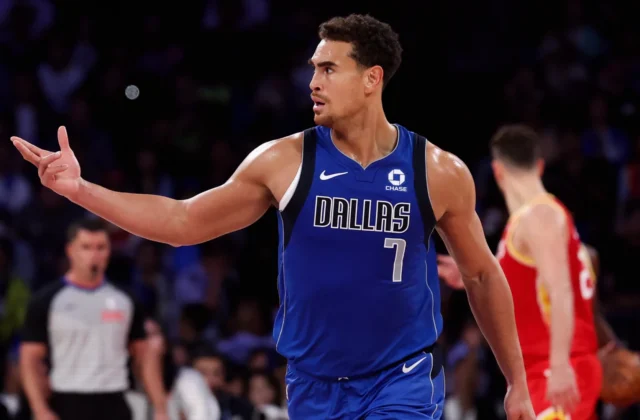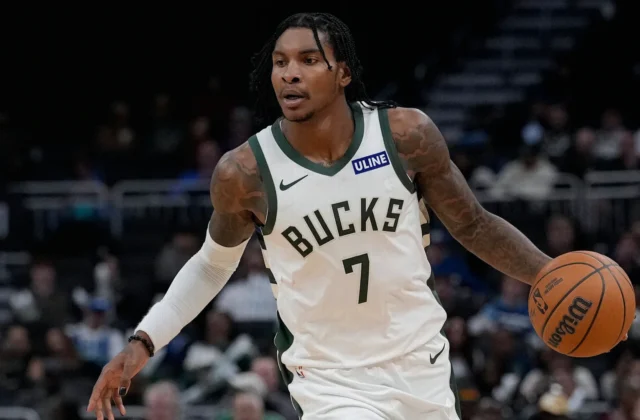
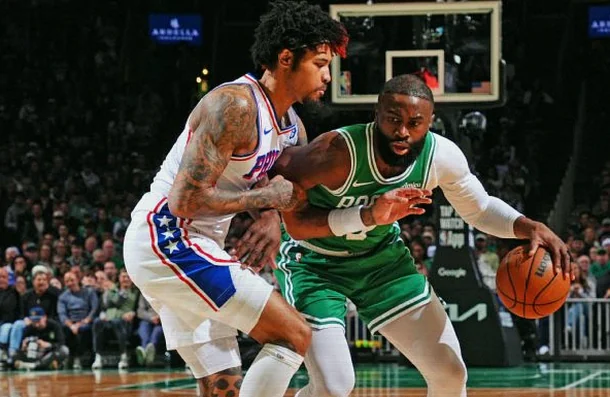
The NBA has circulated fresh officiating guidance aimed at four whistle areas it views as both frequent and game-shaping, with offensive push-offs specifically included in the emphasis.
Key takeaways
- League officials have received updated referee guidance.
- The instruction targets four categories of calls.
- The NBA classified those areas as high-volume and highly impactful.
- Offensive push-offs are among the points of emphasis.
Officiating focus shifts to repeat problem areas
The league’s latest direction puts added attention on actions that occur often enough to influence possessions, foul trouble and late-game outcomes over the course of a season. Push-offs, in particular, can create separation for ball-handlers and wing scorers, or free space for a shooter without the defense having a fair chance to recover.
The guidance covers four officiating categories in total, though the league’s announcement identified only push-offs by name. Referees will be working from the updated direction as they evaluate those recurring high-impact situations.
Why the emphasis matters on the floor
A tighter standard on push-offs could affect matchups throughout a game, from perimeter isolation possessions to post work and off-ball movement. The call can swing a possession immediately: an illegal extension creates an offensive foul rather than an open look, while a missed infraction can leave a defender displaced.
For teams, the adjustment will be less about changing systems than recognizing the whistle early. Players who rely on forearm space, shoulder leverage or a final shove before a jumper may need to recalibrate as the NBA places additional attention on the category.