Roma’s Pietralata stadium project is approaching the point where a long administrative campaign becomes a building site. The decisive services conference is due to meet at 10.30 tomorrow, with approval expected to clear the final formal barrier before construction can begin.
For the Friedkin ownership, the new ground has become part of a broader attempt to shape Roma’s future beyond the next transfer window or Sunday result. The project has travelled through years of planning, debate and institutional scrutiny; it now stands close to the first stone being laid.
Quick facts
- The final decision-making conference is scheduled for 10.30 tomorrow.
- Government commissioner Massimo Sessa will chair the meeting.
- About 50 institutional and technical representatives are expected to take part.
- The planned capacity is 60,605, including a Curva Sud of around 23,000 seats.
- Roma are targeting a March 2027 start on site and completion during 2031.
- Pietralata is intended to be considered for Euro 2032, hosted by Italy and Turkey.
Sessa, the government’s extraordinary commissioner for Euro 2032 stadiums, has played a central role in speeding up the process. Representatives from relevant ministries, the state heritage authority, Roma, Rome’s city administration and the Lazio regional government will be among those involved.
The outlook has strengthened after the heritage authority gave a favourable opinion, although it attached conditions concerning archaeological remains within the site and the protection of green areas. That assessment had been the last major issue awaiting resolution.
Francesco Rocca, Lazio’s regional president, and Rome mayor Roberto Gualtieri were appointed government sub-commissioners for the Pietralata scheme in July. Rocca has said the conference is moving towards a positive conclusion, while Gualtieri has expressed confidence that the process is properly structured for approval.
Traffic management had been the principal source of concern, particularly because of the nearby Sandro Pertini hospital. Rocca said the early difficulties centred on access and road arrangements, but maintained that the work completed since then gives the authorities greater confidence ahead of the final meeting.
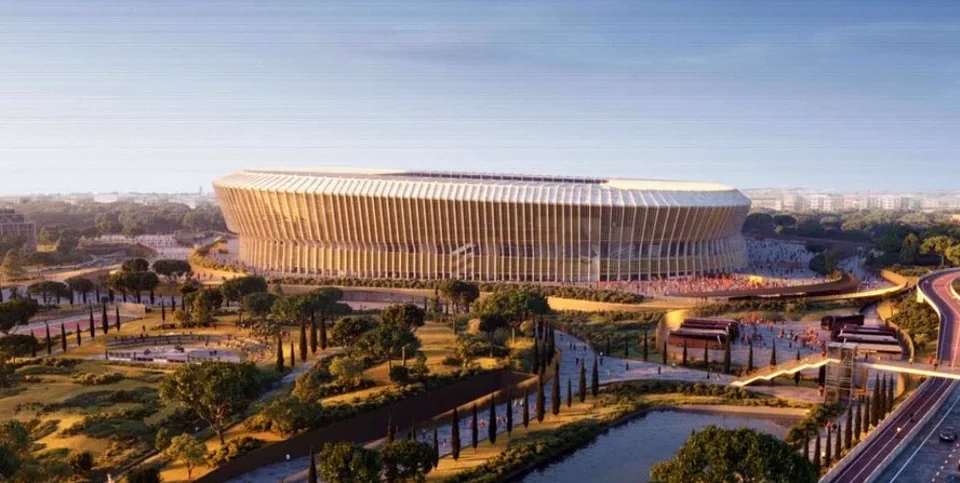
The development is designed as more than a new home for matchdays. Plans around the stadium include public green space, cycling and pedestrian routes, plus wider urban infrastructure in an area of the capital set for significant change.
Inside the ground, the proposed 23,000-seat Curva Sud would give Roma’s support a defining space and rank among Europe’s largest single-end stands. The overall stadium would hold 60,605 spectators.
The current timetable points to work beginning in March 2027, with completion set for 2031 and the first match likely to follow that year. With UEFA pressing host nations to provide suitable venues for Euro 2032, Pietralata’s approval would place Roma’s project on a path towards possible inclusion in Italy’s tournament plans.