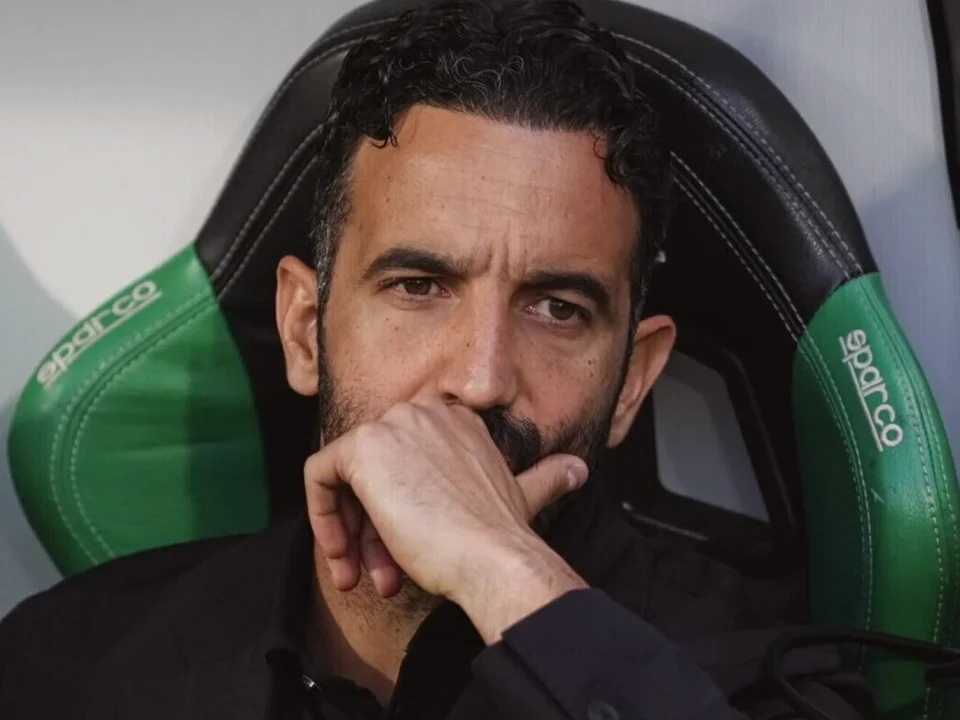
Milan’s season is still searching for a fixed outline. The squad has been rebuilt again, the club has changed senior figures, and Ruben Amorim has arrived with a new coaching staff; yet the team continues to move between a 3-4-2-1 from the opening whistle and a 4-4-2 adjustment, as seen against Lecce before the international break. That flexibility may offer short-term answers, but it also risks delaying the construction of a recognisable system and the confidence that comes with it.
The problem is not simply one of formation. A side reshaped in so many areas cannot be expected to alter a few positions and immediately produce a different, fully coherent performance. Milan need repetition as much as inspiration, particularly with a calendar that demands a match every three days. For Amorim, establishing a settled framework is becoming the first task of his work.
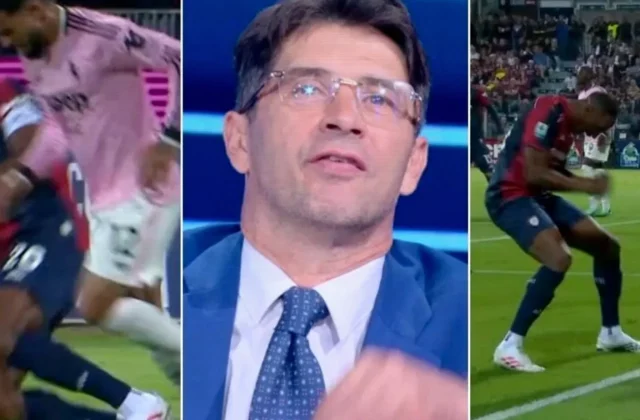
Some individual decisions have added to the uncertainty. Pervis Estupinan was given the job of confronting Domenico Berardi, a player with a long record of hurting Milan, but endured a difficult first half. His errors accumulated, he was booked, and Amorim replaced him at the interval. It was an episode that underlined how little margin there is for instability while the team is still trying to find its habits.
Ramos and Modric remain part of the answer
Gonçalo Ramos should not become the symbol of Milan’s wider problems. The Portuguese forward arrived from a positive spell with his national side and showed his finishing quality before half-time, only to be denied by the Sassuolo goalkeeper. The debate around him has been sharpened by Christopher Nkunku’s hat-trick for Leipzig, but Milan’s issue is less about Ramos than the depth behind him. With only Francesco Camarda available as a natural alternative, the decision to allow Nkunku to leave has become more difficult to understand, particularly given that the Frenchman had been brought to the club in the previous year under Igli Tare.
Luka Modric, meanwhile, is being judged too readily through his age rather than what he can still give Milan in possession. If the intention is to control matches through the ball, his passing and sense of rhythm remain valuable assets. Yunus Musah cannot be expected to offer the same profile, especially after a long journey back from the United States. Modric’s impact at Reggio Emilia made the point quickly: after coming on, he supplied the pass for Adrien Rabiot’s run and the goal Milan then tried to protect against Sassuolo’s response.
The coming January window appears likely to reopen discussion around the attacking midfield area. Endrick is the name most strongly in view, while Omari Hutchinson, signed as an alternative option on the final day of the summer market, has yet to offer a convincing indication of how he can shape Milan’s plans.
Yet the more immediate needs may lie elsewhere as well. Matteo Gabbia’s serious injury has reduced the defensive options, and that shortage will become more damaging if Milan continue to face the relentless three-day rhythm without greater stability. Amorim must make choices, not merely adjustments: a clear structure, a reliable defensive rotation and a better use of the players already at his disposal are required before the championship moves beyond its early, unsettled chapter.