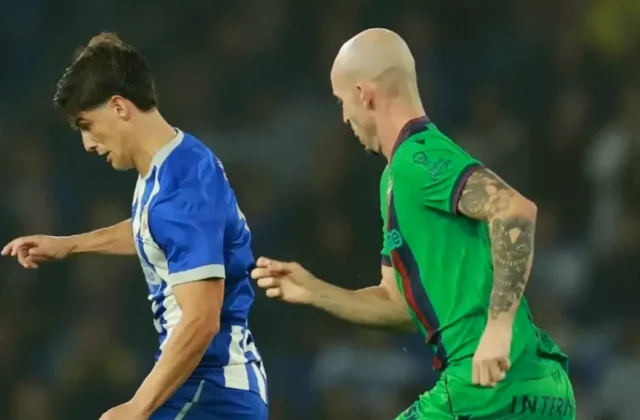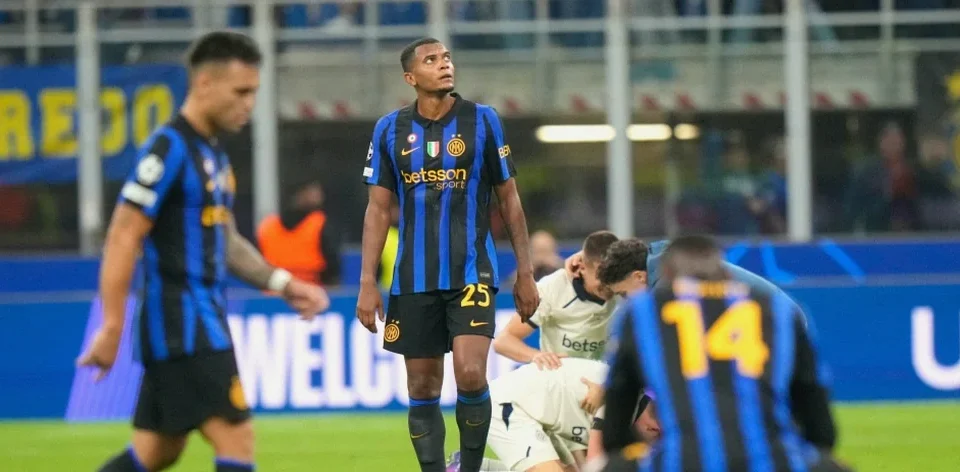
Italian football’s European week has reopened an old question that is becoming harder to leave unanswered. Four Champions League defeats and 14 goals conceded offered a bleak beginning for Serie A’s representatives, while the Europa League brought two victories and six goals scored. The contrast does not settle a season, but it does touch a deeper anxiety: whether Italy’s clubs now find their most natural European level in the second competition rather than the first.
In the championship
The immediate temptation is to point to Inter’s run to the Champions League final two years ago. It remains a substantial achievement, but one exceptional campaign cannot by itself overturn a broader pattern. Italian clubs have struggled to turn occasional high points into a stable presence among Europe’s leading sides.
Last season underlined that inconsistency. Two of Italy’s three clubs were eliminated in the qualifying play-offs, while Atalanta alone reached the round of 16. Their tie against Bayern Munich ended in a heavy aggregate defeat, with the German side scoring 10 times across the two legs.
The Europa League, by contrast, has repeatedly supplied Italian football with more reassuring evidence. Atalanta won the competition within the past seven years; Inter reached the 2019-20 final; Roma played in the final in 2022-23 and also made two semi-finals. This season’s early results have continued that impression: Juventus sit first in the new league-phase table, while Milan revived their campaign with four goals in Salzburg.
That does not mean the gap in the Champions League is permanent. There is time for the Italian clubs to recover. Yet the opening results have been sharply different from those of the main rivals: Spain has four teams on maximum points, England has three, and the Italian contingent is sitting near the lower end of the standings.
A changing place in Europe
The issue is not simply one of national-team talent. Italy’s three missed World Cup qualifications remain a serious scar, but the failures also contained specific episodes: missed penalties, red cards such as Alessandro Bastoni’s dismissal against Bosnia, and a psychological burden that made the group appear weaker than it may have been.
There is still clear Italian quality at the highest level. Gianluigi Donnarumma is pursuing the Champions League with Manchester City. Sandro Tonali joined Tottenham for €120 million. Riccardo Calafiori has become a key figure for Arsenal in domestic and European football, while Bastoni was pursued by Barcelona for a long period.
The more difficult question concerns the overall level of Serie A squads, particularly the foreign players who once made the league the natural destination for the game’s biggest names. Lautaro Martínez remains among the leading figures in Italy, but the league no longer holds a large share of the world’s top 30 or 40 players.
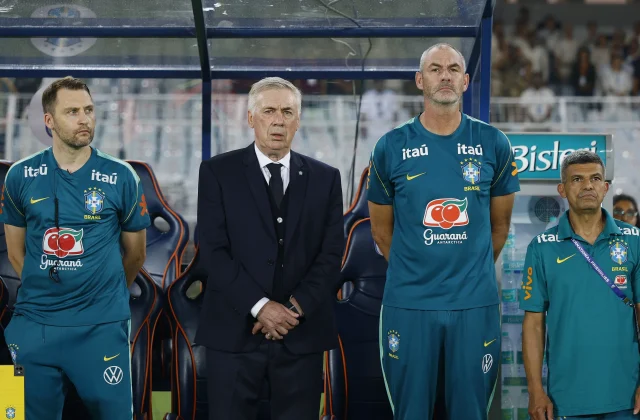
Real Madrid illustrate the scale of the shift. Their squad contains a concentration of elite talent so deep that Eduardo Camavinga can remain on the bench even after five substitutions. Similar resources are spread across other Spanish, English, French and German clubs, while emerging stars increasingly develop elsewhere.
Serie A still has weight, history and individual excellence. But European results suggest that tradition alone no longer decides the hierarchy. For now, the Europa League appears to be the competition in which Italian clubs have found the most convincing continuity, while the Champions League remains the test that exposes how far the landscape has moved.