Juventus sought a response after the damaging home league defeat to Lazio, and there was greater urgency in their Europa League night against Rennes. Yet the result left Luciano Spalletti with the same unresolved feeling: his side had shown more, but had not won. The 2-2 draw in the third League Phase round offered signs of character while exposing the costly decisions that, in the coach’s view, still separate Juventus from the level they want to reach.
The coach and the club
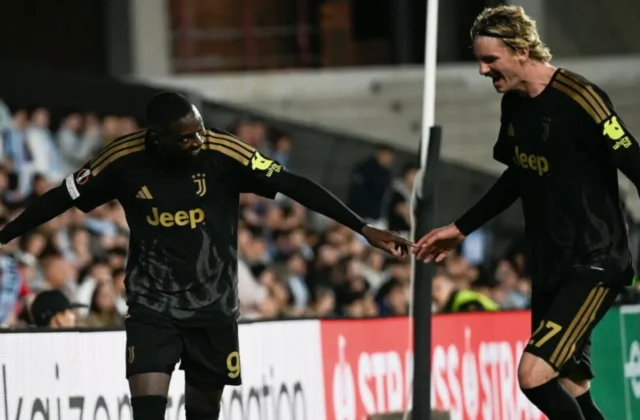
Celik put Juventus ahead, but Rennes turned the match around through Al-Tamari and Dia. Woltemade restored parity from the penalty spot, while Juventus believed they had found a late winner when Lucumi scored. The goal was ruled out for offside, a decision Spalletti struggled to accept.
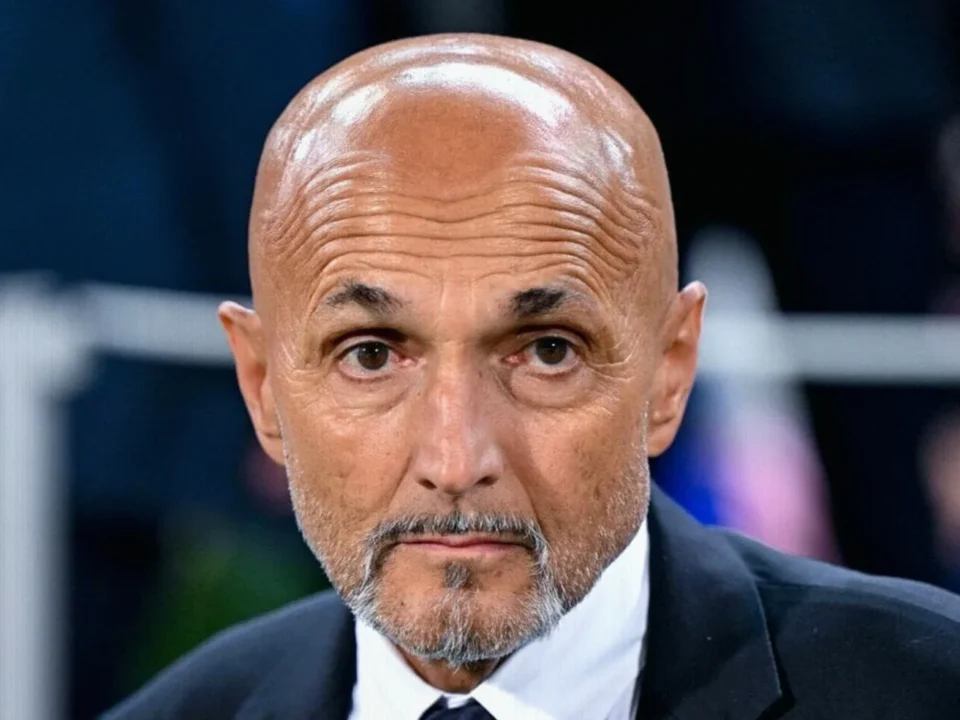
“The referee handled the match well, although less well in the incident involving the goal,” Spalletti said. “I do not know the rule in complete detail, but it was explained to me that there is room for interpretation. I was disappointed because, to me, the Nantes player makes a mistake with the ball. It would have been fair to win it after the desire we showed until the end.”
The coach had asked for a different approach following the Lazio setback, and he felt his players had answered that demand. He said the team and its surroundings should have carried that focus from the first minute, adding that the players had raised their level and committed more than they had in the previous match.
Still, Spalletti made clear that progress did not bring satisfaction. “Even after a better performance, I will keep losing sleep,” he said. “When I do not win, I am not happy. When chances like those arrive, we have to take them.”
Two goals Juventus believe they could have prevented
For Spalletti, the draw was shaped not only by the disallowed finish but by the details around Rennes’ two goals. He believed both could have been avoided and placed responsibility on individual choices made in decisive moments.
Those decisions may appear minor from the outside, he said, but they mark the difference between a strong footballer and a champion: a player capable of reading the situation before everyone else. Technique remains important, but so do awareness, vision and thought.
Spalletti pointed to Lionel Messi as the clearest example of that anticipation, describing a player who understands the developing picture before the ball reaches him. The message for Juventus was plain: the action begins in the mind before the technical intervention is required.
Celik’s fitness concern
Celik was substituted at half-time after feeling muscle tightness. His early goal had given Juventus the platform they wanted, but Spalletti suggested that a return within two days would be difficult.
The coach also linked the performance to a longer-running issue in Juventus’ game. He wants the side to advance higher up the pitch with more conviction, rather than taking too long to gain territory while the ball moves backwards more quickly than the team does forwards.
There was improvement against Rennes, he said, although Juventus were short of one player on the defensive line and therefore often chose to defend one against one. Spalletti recognised the rhythm of the display, but returned to the central concern of the evening: two goals conceded that, in his assessment, should never have been allowed.