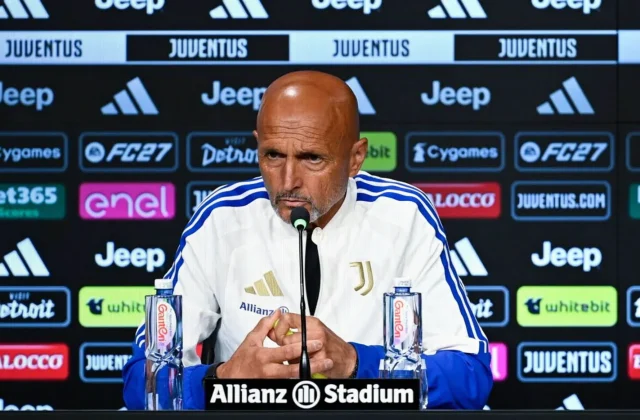
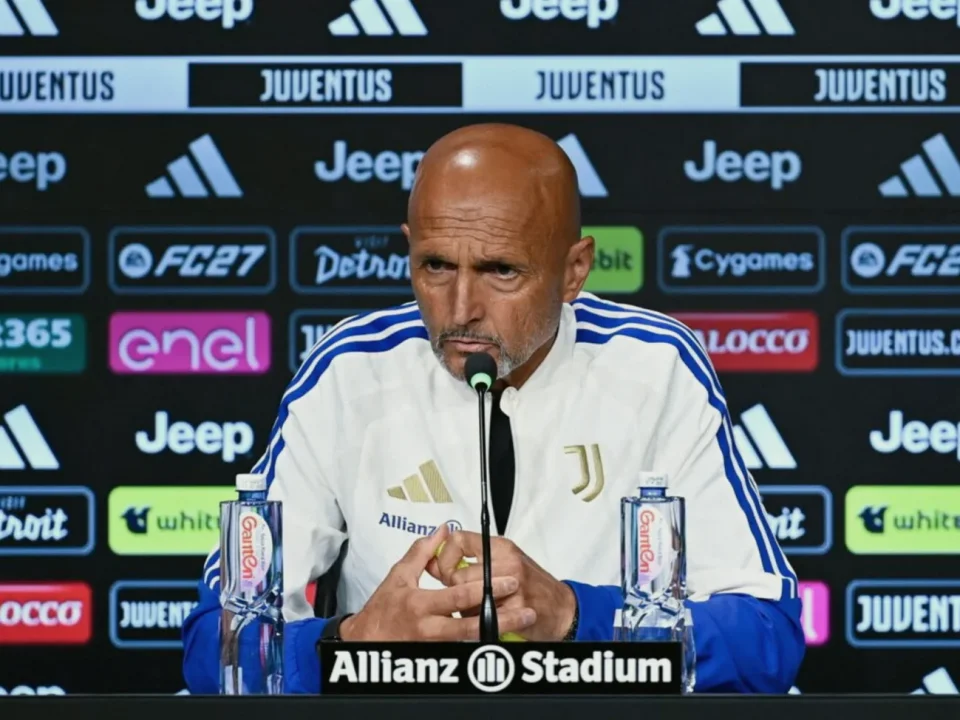
Juventus return to Serie A duty at Cagliari after the extended international break, with Luciano Spalletti framing the trip as another test of the standards that follow a club expected to compete at the summit regardless of outside discussion. The coach has used the three-week pause to manage recovery, assess those who remained in Turin individually and restore energy after the compressed run of fixtures.
Spalletti said a break of this length inevitably brings benefits and complications, but Juventus had kept its work straightforward: substantial rest where needed, followed by tailored programmes for the players available at Continassa. The international contingent came back in the right frame of mind, he added, and their workload was adjusted across three training sessions according to the minutes and matches each had played. He expressed satisfaction with both the group at his disposal and their physical state before the Sardinian away day.
Cagliari, however, will not be treated as a routine resumption. Spalletti credited Fabio Pisacane and president Tommaso Giulini for the points their side have earned, while recalling that Juventus did not deserve last season’s defeat in this fixture. He expects a difficult contest against opponents willing to allow space before turning possession into quick transitions. Cagliari have players capable of exposing open ground and of showing their potential at the highest level, he warned, so Juventus must be alert, decisive and fully engaged from the start.
Selection questions beneath the bigger objective
Asked about Cagliari’s Romano, Spalletti acknowledged the player’s recent impact before redirecting attention to his own squad. In Douglas Luiz, he sees a high-level deep-lying playmaker: a generous team player who can sometimes place the needs of others ahead of himself. His comments also revealed a firm hierarchy in the midfield discussion, even with several Juventus players competing for prominence after the break.
Randal Kolo Muani remains central to Spalletti’s thinking because of the forward’s range. The coach wants him to be free to interpret situations rather than remain fixed as a conventional centre-forward. Kolo Muani’s running, ability to work from wide areas or through the middle, aerial strength, acrobatic finishing and capacity to turn away from pressure all stand out, but Spalletti believes he has spent too much time operating solely as a No. 9. The next step is to move more, and to see spaces beyond the most obvious instructions.
Nico Gonzalez, recently renewed, was described as a player whose intensity reflects a clear determination to shape his own future. Spalletti spoke of someone who shows immediately, through his attitude, the direction he intends to take. There was also a pointed exchange over Edon Zhegrova’s minutes, with the coach saying the winger had gone from wearing the “starter’s shirt” to the “non-starter’s shirt” within two days, and suggesting the matter could be discussed directly by phone.
The same phrase resurfaced when Spalletti considered Sarr. He characterised him as a player between a passing midfielder and a box-arriving runner, able to cover large distances, operate in tight areas and resembling Weston McKennie more than a specialist holding player. Sarr could have been among the starters, Spalletti said, but his status had changed too.
There remains particular faith in Teun Koopmeiners. Spalletti believes the Dutchman can perform several roles, especially from a deeper position where his vision can find play beyond the first line of pressure. He praised Koopmeiners’ ability to set the tempo with his passing and guide the search for goals, describing him as a deep controller able to take the team by the hand. A central-defence role is not presently the priority, with Lucumì performing very well and Kelly returning from a positive spell despite being left out. Koopmeiners may have made mistakes, Spalletti accepted, but the coach has not lost confidence that he can become the player who directs Juventus’ game.
Andrea Cambiaso has completed every training session properly, giving Spalletti another encouraging fitness update. Rather than dwell on absences or obstacles, the coach insisted Juventus must work through them with those available. His broader message was one of continuous improvement: teams that stop learning become repetitive, while those willing to seek new solutions can grow. Hunger, in his view, remains indispensable in football and must become a way of living the profession.
That is the context in which Spalletti dismissed the suggestion that Juventus are being overlooked in the Scudetto conversation. It makes no difference to him whether the club is named among the contenders or not. Juventus, he said, are never allowed a quiet season after choosing this path; they are always required to win. The only target that matters is the one set inside the club, beginning with a demanding Sunday afternoon in Cagliari.