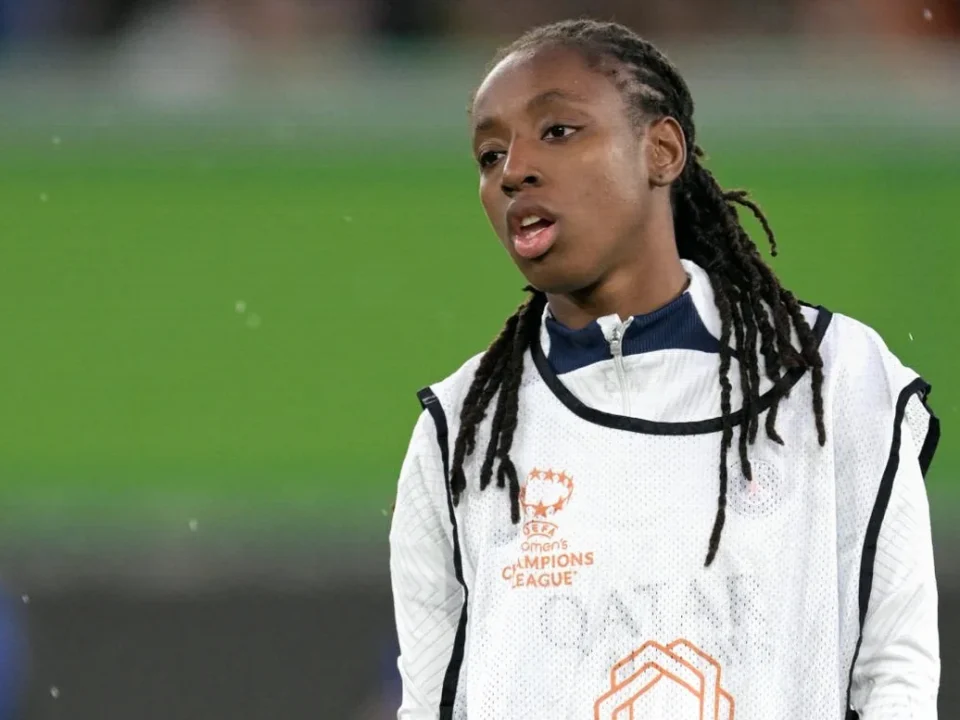
On her 23rd birthday, Strasbourg forward Manssita Traoré chose to break a silence that had lasted years. The France U23 international has spoken publicly about depression, anxiety and panic attacks, hoping her experience can offer support to others facing similar struggles.
Traoré speaks about a long private battle
Traoré, who has nine caps for France’s U23 side, marked her birthday on 9 September by publishing an emotional message in which she said she had been suffering internally and in silence. She described periods of depression, recurring anxiety and panic attacks.
The 23-year-old said her difficulties began after a complicated childhood and an early move away from home, despite being especially close to her family.
- While training at INSEP, only around 10 minutes from her family home, Traoré said she would cry every evening and at times pretended to be injured so that she could return home.
- Her first international call-ups were also difficult to handle, she said, and her mental health deteriorated as she began experiencing depression and anxiety attacks.
- She kept her pain hidden when she went to football, but eventually the strain became visible through substantial weight loss, absences and episodes of fainting.
- Those warning signs alerted her family, after which she began receiving support and treatment.
“I understood that I was suffering, but I tried to turn that suffering into strength,” Traoré said. “I wanted to keep fighting.”
Football remains a place of relief
Despite the difficult periods away from the pitch, Traoré said football has remained far more than a passion for her. She explained that touching the ball and stepping on to the field can make everything else feel as though it has stopped.
She has considered stepping away from the game at the end of seasons in order to focus on her health. Yet the sacrifices made to reach the professional level, as well as her powerful attachment to football, have repeatedly led her to continue.
“Even when I am not well deep down, I enjoy every moment I am on a pitch,” she said.
Family support and professional care
Traoré highlighted the support of her mother, brother, aunts and partner, describing the struggle as one shared by those around her. She said they remained present even during moments when she withdrew and stopped replying to messages.
Rather than forcing her to speak, they made clear that they were available whenever she needed anything, she said.
The forward has also had access to psychological support through football. Medical assessments at the beginning of each season include an appointment with a psychologist, and she said Strasbourg had offered her follow-up care on several occasions.
However, Traoré said she felt more comfortable pursuing that support outside the club environment, which is the arrangement she currently follows.
“We have the right not to be well”
Traoré said recovery remains a long road. After years of dealing with her condition, she sometimes feels as though there may be no end to it, but she also believes the hardship can be overcome and that better times are ahead.
She feels she may be somewhere in the middle of her journey: not accepting the pain, as she corrected herself, but learning to live with it, understand its roots and work on it.
Her message to people going through their own difficult periods was direct: do not give up and keep fighting. For relatives and friends, she urged patience, practical support and the willingness to listen.
“I no longer want suffering to be a source of shame,” Traoré said. “We have the right not to be well. Even simply knowing that you are not alone, and that you can talk about it, can help.”