Milwaukee, New Orleans and Chicago will open camp with coaches carrying different versions of the same assignment: take a roster in motion, establish the daily standards, and give young players enough structure to grow without putting the brakes on them.
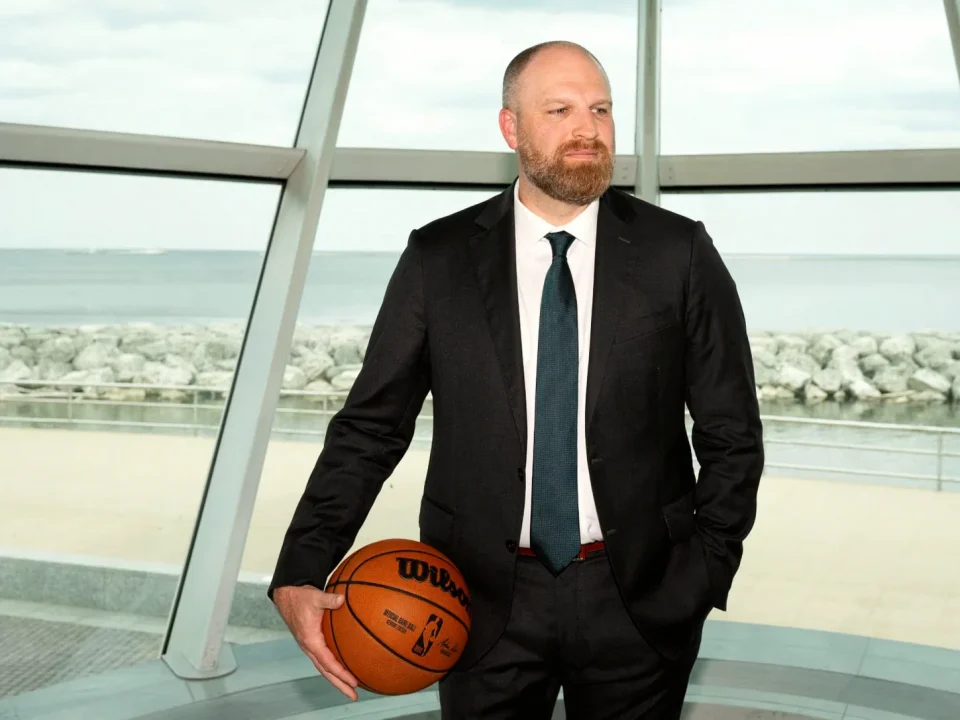
Taylor Jenkins arrives with the Bucks after six seasons in Memphis. Jamahl Mosley moves quickly from Orlando to a Pelicans group coming off a 20-win season. Tiago Splitter heads to Chicago after guiding Portland through last season on an interim basis. They are among six teams that changed coaches this offseason, and each is walking into a different kind of rebuild or retool.
Three new benches, three different starting points
-
Jenkins coached Memphis from 2019 through 2025, reaching the playoffs three times. During the past year, he stepped away from the daily NBA grind, spent time with his family and stayed plugged into the league through camp visits and regular conversations with other coaches.
-
Mosley spent five seasons developing Orlando, taking the Magic from 22 wins in his first year to three straight seasons above 40 wins and three playoff trips. Each postseason ended in the first round. New Orleans hired him two weeks after Orlando dismissed him.
-
Splitter took charge of Portland after the first game last season and led the Blazers to a 42-40 record and a Western Conference playoff berth. Micah Nori now takes over in Portland, while Splitter begins his first Chicago camp with a Bulls roster built around emerging talent.
Jenkins sees a new Bucks identity taking shape
Milwaukee is moving into a new chapter after the Giannis Antetokounmpo trade. Jenkins said the franchise still carries the habits and expectations built during its championship years, including the standards established around Antetokounmpo and Bobby Portis. But the roster, coaching staff and front office have changed enough that the immediate job is defining what this version of the Bucks will be.
“There is a lot of history here, with championship-level expectations, culture and identity,” Jenkins said. “Now there are new people across the organization. We have to come together and decide who we want to be.”
Tyler Herro figures to be central to that answer on the offensive end. Jenkins sees Herro as an early-clock advantage creator, using his handle and pick-and-roll craft with the ball while also stressing defenses with movement shooting away from it.
“He can create an edge for you early in the possession,” Jenkins said. “His ballhandling, his pick-and-roll game and his ability to shoot while moving all fit the things we want to build offensively.”
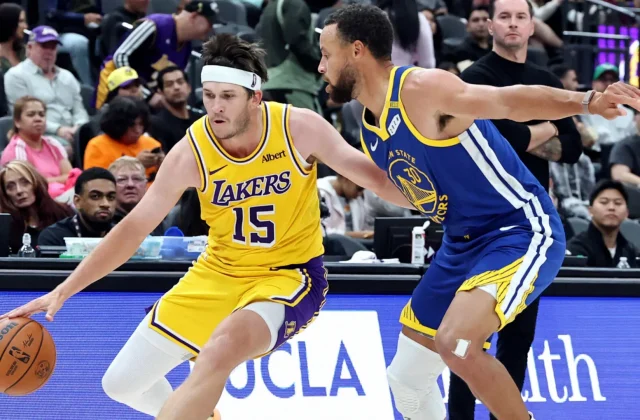
Jenkins also pointed to Jaime Jaquez Jr. as a versatile connector who can operate on the perimeter, at the elbow, in the mid-post or with his back to the basket. The coach highlighted Jaquez’s downhill playmaking, off-ball cutting and ability to read plays ahead of the action, while challenging him to continue improving as a defender and shooter.
Kel’el Ware, meanwhile, has the athletic tools to become a major defensive piece. Jenkins believes Ware can protect the interior while also holding up in space, describing the big man as a player ready for a significant leap.
Rookie Brayden Burries, the No. 10 pick, made an impression during Summer League with his composure and playmaking. Jenkins called Burries a humble, competitive player with strong character and said he expects him to develop into a lead creator capable of organizing teammates and scoring when needed.
Mosley brings a builder’s approach to New Orleans
Mosley’s Orlando tenure gives him a recent blueprint for the work ahead in New Orleans: start with the relationships, build the habits, then give the young core responsibilities that matter. The Pelicans are coming off a win total in the 20s, and Mosley again inherits a team looking to turn potential into a playoff push.
He said his Orlando years taught him to evaluate everything from defensive communication and regular-season style of play to the individual relationships inside the building.
“Every stop gives you lessons,” Mosley said. “You take what worked, look honestly at what you would change, and apply that to the next situation.”
Zion Williamson sits at the center of Mosley’s plan. The coach has long seen Williamson’s force going downhill, his finishing through traffic and his touch around the rim. Now he wants to add counters when opponents sag under screens or crowd the paint, particularly a dependable mid-range pull-up.
The other demand is at the other end. Mosley said Williamson has too much physical ability, intelligence and athleticism not to take tougher defensive matchups against top players.
Trey Murphy III has already spent time working with Mosley in Los Angeles. Mosley noted Murphy’s physical development, film study and understanding of offensive concepts, and he expects the wing’s defensive growth to lift the entire group.
New Orleans’ second-year players will also have a major role in the early rotation picture. Mosley praised Derik Queen’s work on his body and fundamentals, including offseason time with DeAndre Jordan in Los Angeles. Queen may not overwhelm opponents with speed, but Mosley believes his passing, feel and processing give him a foundation to keep expanding.
Jeremiah Fears drew similar praise for his approach. Mosley described the guard as fearless, highly receptive to coaching and committed to studying the game and doing the work required to help the team win.
Splitter’s Bulls will lean into pace, size and development
Splitter enters Chicago with a young frontcourt foundation, a new No. 4 overall pick in Caleb Wilson, and veteran reinforcements in Norman Powell and Nic Claxton. The former Spurs forward said Gregg Popovich remains the most influential coaching voice in his own basketball education after Splitter spent five seasons playing for him in San Antonio.
“He taught me how to be a professional in the NBA and how to compete at the highest level,” Splitter said of Popovich.
The Bulls’ nightly identity, Splitter said, needs to be visible immediately: energy, competition and the right decisions on both ends. Development is not a side project in Chicago; it is part of the team’s core agenda, especially for Wilson and third-year wing Matas Buzelis.
Wilson’s changing game is what excites Splitter most. The coach said the rookie looked different in high school, college and Summer League, and Chicago views that evolution as a positive rather than a concern. The Bulls want to give Wilson the support to keep finding out what kind of player he can become.
Buzelis remains in the same growth lane. Splitter sees size and athleticism in the Wilson-Buzelis pairing, but said the staff must set a demanding daily tone and create standards that push both young forwards.
Josh Giddey is expected to set the table for that group. Splitter described him as a cerebral organizer who can push the pace, move the ball and locate easy cuts and clean looks for younger teammates.
Powell and Claxton address direct roster needs. Powell brings multi-level scoring to the perimeter group, while Claxton supplies rim protection, transition running and the defensive anchor Chicago believes its young core needs.