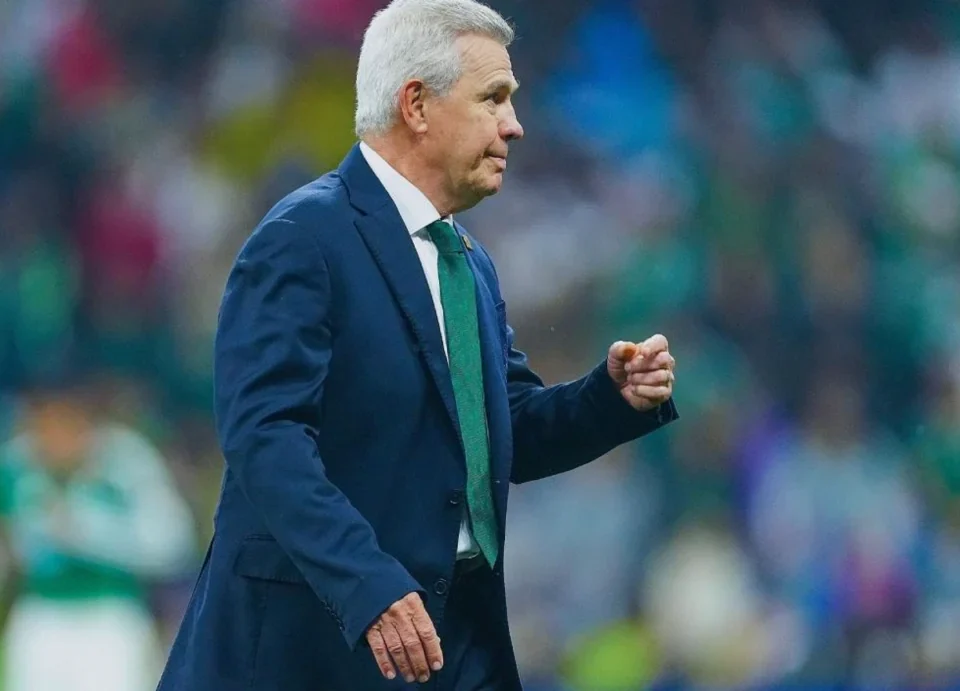
Valencia have turned to Javier Aguirre for experience at a moment when the club’s mood remains tense, bringing the Mexican coach to Mestalla after a series of decisions intended to restore a steadier direction in the Turia capital.
The appointment follows the arrival of Braulio Vázquez as sporting director, a move backed by general director Javier Solís and approved by president Kiat Lim. For a club still living with the consequences of years of troubled stewardship under Peter Lim, the two appointments represent a shift towards proven senior figures.
Experience for a difficult dressing room
Aguirre arrives with a long record in top-flight management and a reputation for handling dressing rooms as carefully as he handles matches. That experience is particularly relevant at Valencia, where the relationship between the squad and the previous coach had not been straightforward.
Senior players including José Gayà, Hugo Duro, Pepelu and Luis Rioja will now work under a manager whose accumulated elite-level coaching experience exceeds their own playing totals. It is a marked contrast with the club’s recent choices on the bench.
Carlos Corberán, Rubén Baraja and Gennaro Gattuso each took charge of Valencia without previously managing in La Liga. Aguirre, by contrast, arrives as an established figure accustomed to difficult clubs, demanding supporters and the sustained scrutiny that accompanies a large institution in decline.
A calmer voice around Mestalla
Valencia’s weekly agenda has often been dominated by issues beyond the pitch, with press conferences and public debate repeatedly drawn into wider tensions surrounding the club. Aguirre is expected to offer a more measured presence in that environment.
The Mexican has built a career around direct communication and an ability to deal with supporters, media and the broader atmosphere around a club without appearing overwhelmed by it. His professional manner, combined with a familiar sense of humour, could be valuable in a city where every setback can quickly become a larger institutional argument.
Pathway for Valencia’s next generation
The change may also matter for Valencia’s younger players. Aguirre has shown during his career that age is not a barrier when a young footballer is ready, and the club have a promising group approaching the senior side.
Aimar Blázquez, Íker Córdoba, Aaron Mayol and David Otorbi are among the prospects who could benefit from a coach prepared to select them on merit. After recent years in which opportunities for academy players have been limited, Valencia will hope Aguirre can provide a clearer and more conventional route into the first team.
Neither a new coach nor a new sporting director can resolve Valencia’s wider crisis alone. But the appointments of Vázquez and Aguirre give the club a more experienced football structure for the present season. For supporters looking for evidence of a more logical course, the next task is to ensure these decisions are the beginning of a longer correction rather than another short-lived response to unrest.