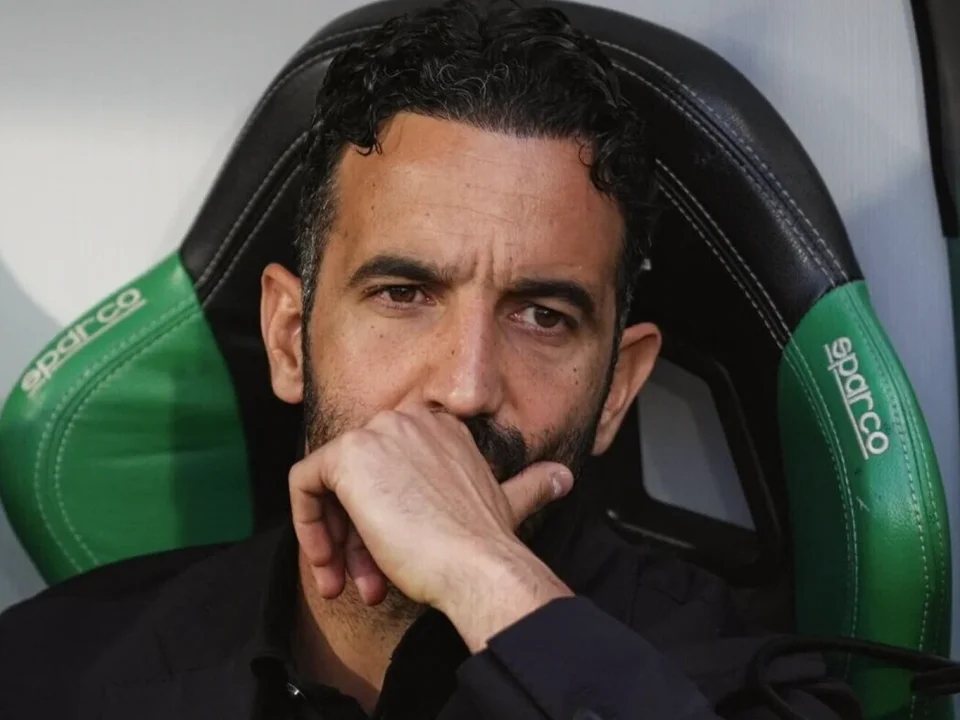
Milan left Sassuolo with a draw, but Ruben Amorim treated the evening as points surrendered rather than a result to protect. Adrien Rabiot had put the Rossoneri ahead after a performance their coach felt they had largely directed, only for Sassuolo to respond and punish a failure to manage the closing phases.
The decision
Amorim’s assessment was uncompromising. He felt Milan showed the right intent and had earned their lead, but did not impose enough control once Sassuolo were forced to chase the game.
“You cannot be satisfied when you do not win,” he said. “We controlled the match and played with the right desire to go forward. But after taking a deserved lead, we had to deal better with their reaction.”
The equaliser particularly frustrated him because it came from a corner. Milan, he said, cannot afford to concede in that manner.
The coach placed the episode within a wider question of mentality. Sassuolo’s response after falling behind was predictable, in his view, and Milan should have answered it by keeping the ball for longer and taking authority away from their opponents.
He also acknowledged that the side remain at work on their build-up play, describing that area as one of the final stages in Milan’s effort to become more dangerous. Asked whether the team had used a three-man or four-man defence, Amorim played down the distinction, arguing that the personnel are unchanged even when individual positions shift with the team’s needs.
There was further concern over Matteo Gabbia, who suffered an injury during the match. Amorim did not yet know its severity, but made clear the defender is important to the group.
“I could see how much pain he was in,” Amorim said. “It is painful for everyone, and I am very sad about it.”
Sunday’s picture
Milan may remain unbeaten, but Amorim had no interest in using that record as consolation after the Sassuolo draw. For him, draws carry their own cost across a championship campaign.
“Being unbeaten means nothing to me,” he said. “Today, I feel that I lost. I do not want to be unbeaten while still dropping points. Three draws bring three points, which is the same as losing two matches.”
It was a message aimed beyond one afternoon: Milan’s standards, in Amorim’s view, must be measured by their ability to turn periods of control and a lead into victories.