Sassuolo’s draw with Milan felt like a small but meaningful chapter in Alberto Aquilani’s season: a side capable of absorbing pressure, responding to adversity and, for a moment, believing it had taken the whole prize against one of the division’s strongest teams.
The coach and the club
Aquilani’s Sassuolo came away with an important point against Ruben Amorim’s Milan after Odenthal cancelled out Adrien Rabiot’s opening goal for the Rossoneri. The home side even thought they had found a winner through Kristian Thorstvedt, only for the goal to be ruled out because Bowie’s block was judged illegal.
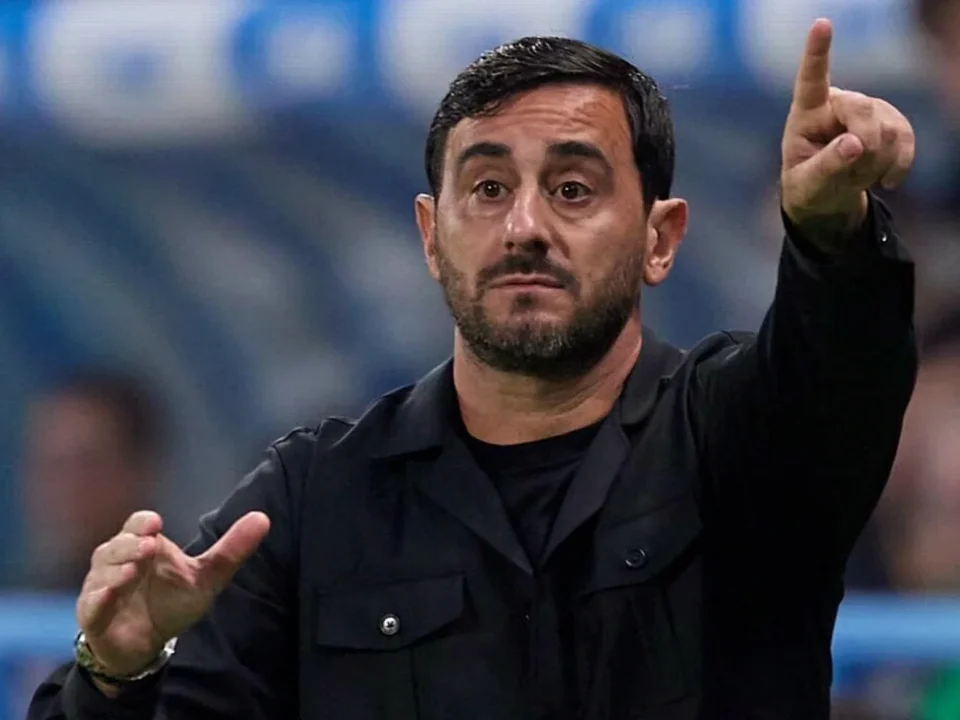
The Sassuolo coach did not hide his uncertainty over the decision. “I would like to look at it again because it seemed questionable to me,” he said. Yet his larger conclusion concerned the way his players handled a demanding afternoon.
“What matters is that I saw maturity from the team. They understood what was required in the different phases of the match and recognised the moments. I am pleased because we were facing a strong side, and the manner in which we approached them gives me satisfaction.”
Aquilani believed Sassuolo began well, particularly during the opening half-hour, before dropping too deep and exposing themselves to Milan’s individual quality. In the first half, he saw moments of structure mixed with spells in which his team lost its order.
“When you are organised, quality eventually comes through,” Aquilani said. “We were not always as clean as usual, but I am happy with the performance. They have many excellent players, so it was natural that they could put us under pressure.”
The changes made during the game helped Sassuolo regain an attacking presence and apply pressure higher up the pitch. For Aquilani, that adjustment underlined the progress he wants to see from his group: not simply competing, but reading the match and choosing the most useful response.
“By maturity, I mean understanding the game and playing in the way that serves the situation best,” he explained. “If we play like this, we can compete with anyone.”
Esposito’s place in Aquilani’s plans
There was also praise for Sebastiano Esposito, who remains a prominent figure after his recent call-up to the Italy national team. Aquilani’s assessment differs from that of Italy coach Mancini on the player’s best role, but his belief in Esposito’s future is clear.
Aquilani sees him primarily as a centre-forward or an attacking midfielder, rather than as a wide player. “For the flanks, I prefer players with different characteristics,” he said. “Sebastiano will become a great number nine.”
For Sassuolo, the point against Milan was therefore more than a response to Rabiot’s opener. It offered Aquilani evidence that his players can remain in the contest against elite opposition, even when the match demands periods of restraint, resilience and a clear understanding of their own limits.