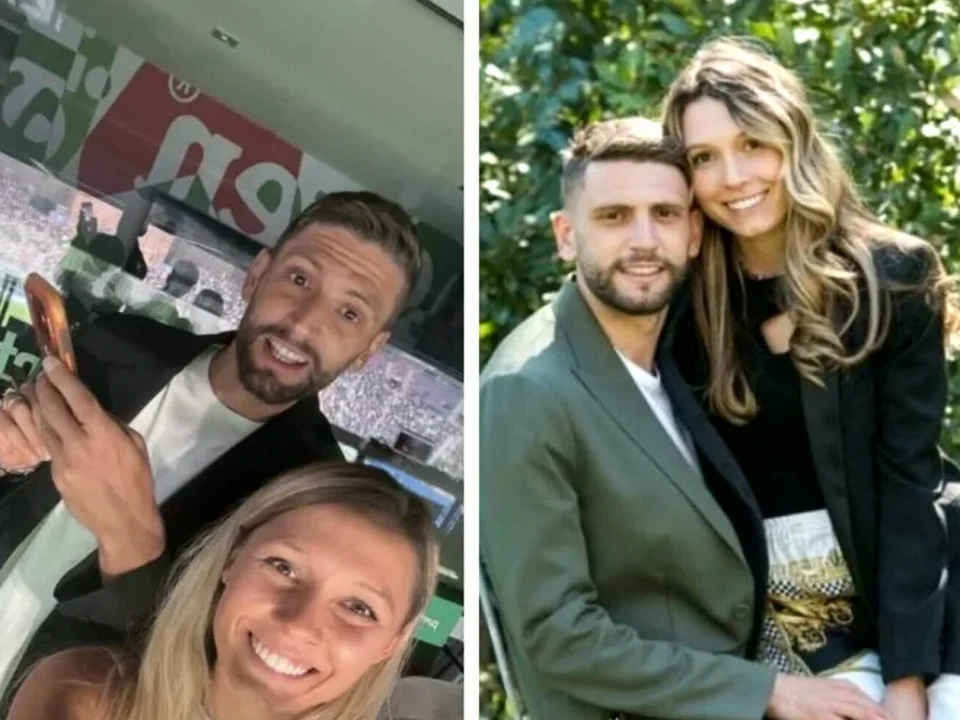
Domenico Berardi and his wife, Francesca Fantuzzi, found themselves far from the usual rhythm of a Serie A season when they stepped in to assist a student who suffered an apparent epileptic seizure after leaving school.
Fantuzzi, 31, is a padel instructor and holds first-aid training through her DAE certification. The same preparation is required across the staff at her sports centre, including instructors, front-desk employees and administrative workers. While the club is being renovated ahead of an expected opening in a little over a month, that training proved decisive during an ordinary lunch with Berardi and their instructor.
A sudden emergency outside the restaurant
- Fantuzzi, Berardi and their instructor noticed a coach pull up nearby, with several young passengers getting off quickly and the driver repeatedly moving in and out of the vehicle.
- At first, they assumed it could be a routine issue involving ticket checks. Fantuzzi then approached and learned that a boy had become unwell after school.
- An ambulance had already been called, but Fantuzzi recognised that immediate assistance was needed. The pupils present believed the boy had suffered a similar episode previously.
- Fantuzzi called Berardi over, and the pair worked together to protect the boy’s head after he had fallen onto another student.
- Because the boy was physically strong, Berardi assisted in moving him safely onto his side and removing the backpack from his shoulders.
- The boy opened his eyes and was reassured while they waited for the emergency services, who later took him away for further care.
- Through their instructor, Fantuzzi and Berardi obtained a contact number and later confirmed that the boy was well.
Preparation rather than heroics
Fantuzzi said the suspected seizure made clear why basic emergency training matters. No medication was found in the student’s backpack, but she knew the immediate measures required: protecting the head, monitoring breathing and understanding when a person should be placed on their side.
She also stressed that people should not put their hands into the mouth of someone having a seizure, dismissing a widespread but dangerous misconception about preventing the tongue from being swallowed.
“The course prepares you for the emotional side as well,” Fantuzzi explained. “Many of the pupils were frozen. Knowing the basic actions, checking breathing and understanding how to respond, with or without medication, is fundamental.”
She rejected suggestions that she and Berardi should be called heroes. In her view, the difference was not individual bravery but the fact that two people at the scene had received the right instruction.
“Real heroes are other people,” she said. “We were simply prepared. Fortunately, it ended without consequences, and that is why this is a chance to underline how important first-aid courses are.”
A wider message for schools and sport
The incident also brought renewed attention to first-aid education in schools, an issue supported publicly by Edoardo Bove following his own medical emergency. Fantuzzi backed the legislation carrying Bove’s name, which provides for compulsory training courses, particularly in educational settings.
For Berardi, whose career has long been tied to Sassuolo and the weekly demands of the Italian game, it was a reminder that responsibility can arrive without warning, beyond the pitch and outside the public theatre of Sunday afternoon. In this case, preparation gave a frightened group of students a calmer response while help was on its way.