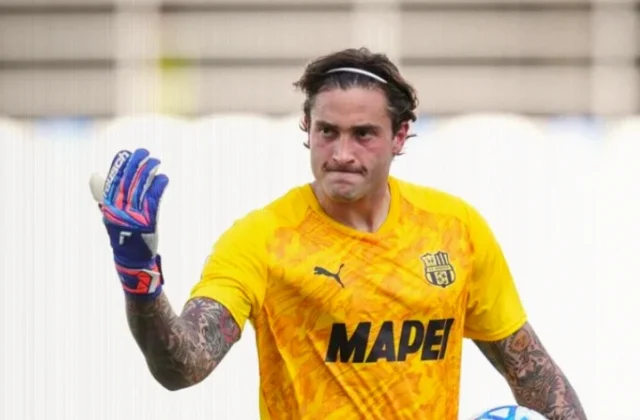
In São Paulo, Corinthians have changed course again after dismissing Fernando Diniz, a decision that has underlined the remarkable churn on Brazilian benches during the 2026 Campeonato Brasileiro.
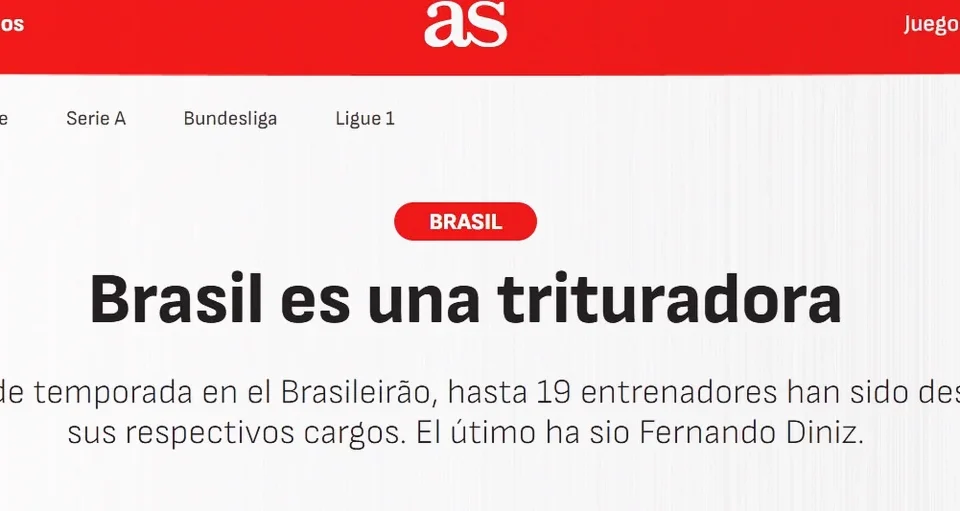
Diniz is the 19th coach to lose his job in this season’s league. His departure has also drawn notice in Spain, where Brazil’s leading clubs have been portrayed as a “manager grinder” despite their continued strength across South America.
Quick facts
- Fernando Diniz was dismissed by Corinthians after taking charge in April.
- He led the club for 33 matches: 13 wins, eight draws and 12 defeats.
- His return rate was 47%.
- Diniz had already been sacked by Vasco in February during the same Brasileirão season.
- He is the first coach to be dismissed twice in one edition of the competition.
- Corinthians are one point from the relegation zone after seven consecutive league defeats.
The coach arrived at Corinthians as Dorival Júnior’s replacement, but the run of results never settled. The immediate pressure grew sharper after Estudiantes knocked the São Paulo side out of the Copa Libertadores in the quarter-finals, winning the tie with the decisive match played at Corinthians’ home ground.
His 33-game record contained 13 victories and eight draws against 12 losses, leaving him with a 47% success rate. The seventh straight Brasileirão defeat proved the breaking point, with Corinthians now perilously close to the bottom three.
Diniz’s second dismissal of the same league campaign is an unusual marker of the instability. Vasco ended his spell in February; Corinthians appointed him in April and have now followed with another change before the season is finished.
The contrast is particularly stark beyond Brazil’s borders. Palmeiras, Flamengo and Fluminense have all reached the Libertadores semi-finals, maintaining the country’s commanding presence in continental competition while domestic clubs continue to cycle rapidly through coaches.