Payton Tolle’s immaculate inning on Sept. 13 came with a running count from the Red Sox broadcast booth, nine consecutive strikes and a crowd ready to celebrate before the last pitch reached the plate. Danny Jackson’s version came on baseball’s biggest October stage, yet nobody in the ballpark seemed to recognize it—not even Jackson.
A nine-pitch October moment hidden in plain sight
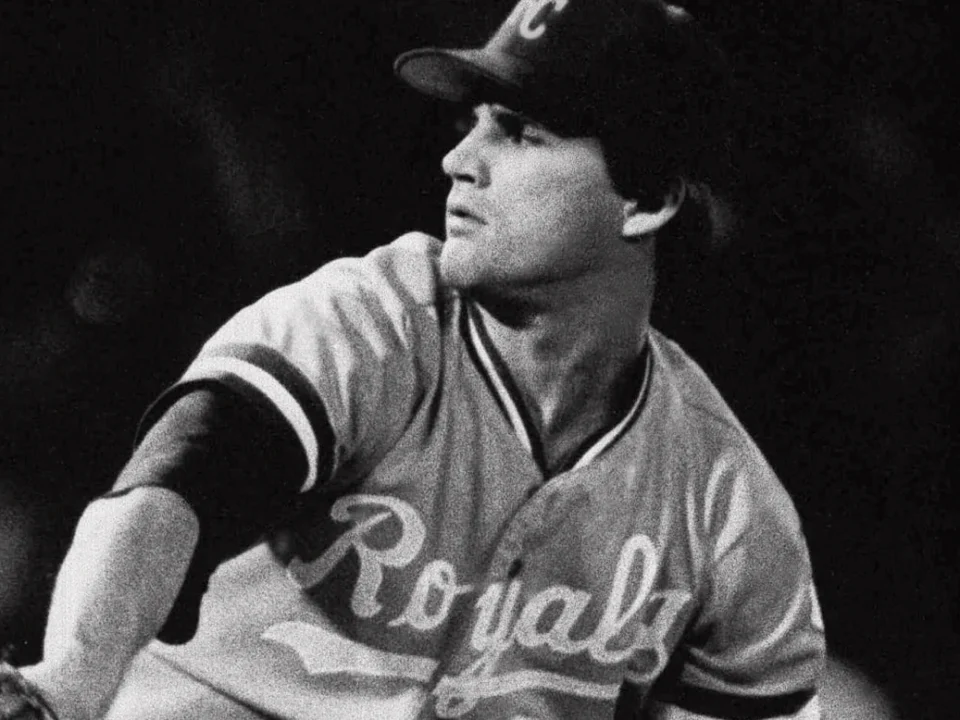
Jackson remains the only pitcher to throw an immaculate inning in postseason history. The left-hander needed nine pitches to strike out three Cardinals in the seventh inning of Game 5 of the 1985 World Series, helping Kansas City pull away for a 6-1 win.
The accomplishment went unmarked at the time. The television call did not identify the feat, largely because “immaculate inning” was not yet a familiar part of the game’s everyday language. Jackson himself did not learn what he had done until 2015, when the Royals won their second World Series championship.
Living in Kansas City, where he spent part of his 15-season Major League career, Jackson attended the celebration with his family. A stadium trivia prompt put his name alongside the postseason record.
Jackson recalled that his children and grandchildren turned to him after seeing the question. He told them he did not know whether the record was his. “It took 30 years before I knew I’d done it,” said Jackson, a two-time All-Star and the 1988 National League Cy Young Award runner-up.
The Royals needed more than a footnote
Jackson was 23 years old when Kansas City gave him the ball in Game 5, facing a 3-1 series deficit against St. Louis. The Royals had already leaned on him in similar circumstances during the American League Championship Series, when he delivered a Game 5 shutout against Toronto. Kansas City eventually won that series in seven games.
In the World Series, the Royals held a 4-1 lead when Jackson opened the seventh against Terry Pendleton, Tom Nieto and Brian Harper. He fanned all three without permitting a ball in play, then Kansas City added on and won 6-1. The victory started a comeback that ended with the Royals winning the championship in seven games.
- Jackson had recorded only one strikeout through the first six innings.
- His arsenal included a low-90s fastball with late, unpredictable movement and a sharp slider.
- Royals catcher Jim Sundberg called him “a bulldog” who rose to the moment.
- Sundberg, a six-time Gold Glove winner, said Jackson’s moving pitches made him one of the toughest pitchers he ever caught, even among nine Hall of Famers.
George Brett’s near catch and three strikeouts
The inning nearly took a different route with the first pitch. Pendleton popped a foul ball near the third-base dugout, and George Brett chased it at full speed, sliding feet first into the dugout area. Brett came up sore after the effort but could not complete the catch.
Jackson later joked that Brett’s miss helped preserve the chance for nine straight strikes.
After the foul popup, Jackson finished Pendleton with two sliders: one painted on the outside edge and another that drew a swing and miss down and in.
- Nieto tried to bunt but fouled the attempt away, then lifted another foul out of play.
- Jackson froze the Cardinals catcher on an outside-corner third strike.
- Nieto briefly protested the call to home-plate umpire John Shulock—an argument that might have carried a different wrinkle in the era of the ABS Challenge System.
- Harper, batting for the pitcher, fouled off two pitches before chasing a slider for the final strikeout.
Harper said he had learned from Willie Stargell during his Pittsburgh days that a pinch-hitter should be ready to attack. But he remembered Jackson working the inside portion of the plate with authority, a difficult assignment against a hard-throwing left-hander with command there.
A record discovered decades after the final pitch
Harper did not know he had supplied the final out of the only postseason immaculate inning until he was contacted recently. His reaction, delivered with a laugh, was simple: he probably should have let the 0-2 offering go.
Jackson has come to appreciate the unusual line in baseball history, but it does not outrank the championships and pennants that shaped his career. He was part of Kansas City’s 1985 title club, the 1990 World Series-winning Reds and the 1993 National League champion Phillies.
Still, there is something fitting about the old October inning: nine strikes, three strikeouts, a decisive Royals win—and a record so quiet that its owner needed three decades and a scoreboard question to find out it belonged to him.