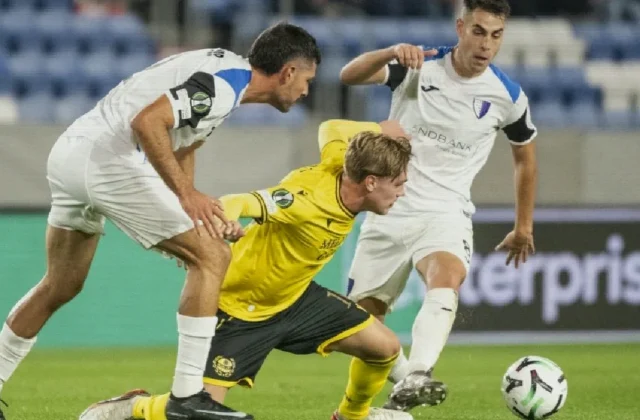
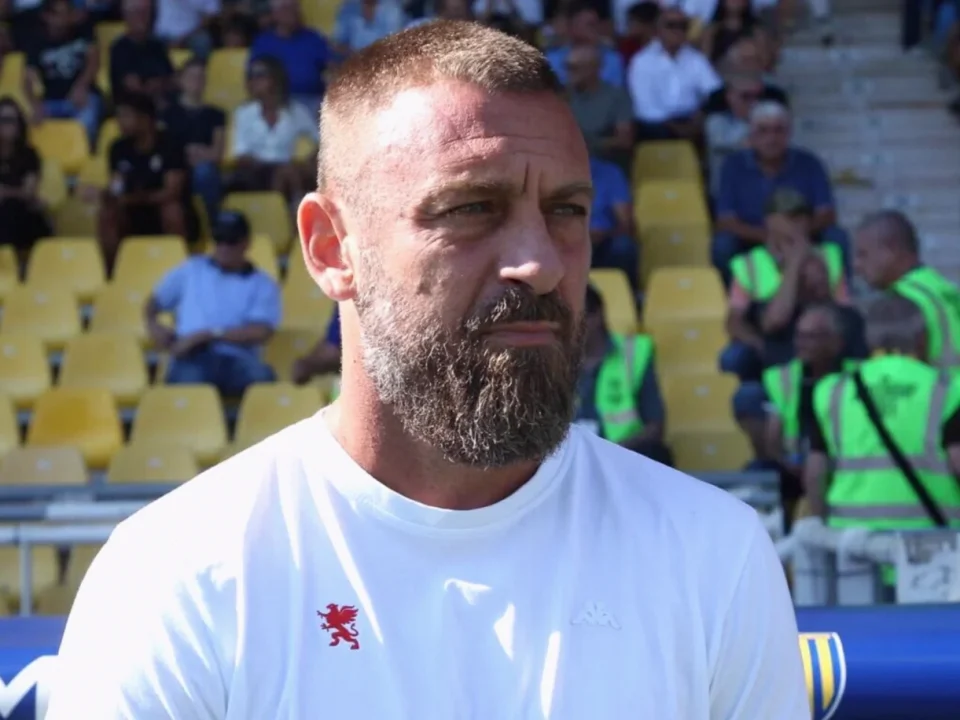
Genoa entered the international break with only one point from five league matches, and Daniele De Rossi did not look for shelter in the narrow defeat to Parma in a direct contest at the bottom of the Serie A table. The coach accepted responsibility for a sequence of poor results, while maintaining that his side had produced enough in the match to avoid leaving empty-handed.
“There are two ways of looking at it,” De Rossi said. “The standings tell us where we are: one point and negative results. I take that on myself; I am responsible.” He felt Genoa had not played badly against Parma and did not deserve to lose, but insisted that such assessments cannot become an excuse. “If you do not win every time, there is always an underlying problem. It is my job as coach to solve it. We have to improve; it is not enough to say we did not deserve it.”
The pause in the calendar now offers Genoa a chance to reset, although De Rossi admitted that a break can feel uncomfortable when a team is struggling. He sees practical value in the period, particularly for members of a squad who require work comparable to a pre-season programme in order to reach full fitness and build greater cohesion. Several players will leave for international duty, but the coach wants the group to use the available time productively.
De Rossi was also asked whether a four-man defence could provide an answer. He made clear that it had not been considered for the Parma game, stressing that a change of shape requires work rather than simply selecting two full-backs and two central defenders. It may become an option later, he said, but not as an immediate reaction. As for the suggestion that Genoa had regressed, he pointed instead to the Lazio match as their poorest performance of the campaign.
A coach facing the table
The former Roma coach spoke openly about the emotional weight of the moment. He described himself as sad, disappointed and angry, while saying he still feels trust and personal support around the club. Yet he understands the board will make its own judgement. Results, he noted, are easy to read, and the club is entitled to reflect on them.
De Rossi does not believe he has lost the dressing room. His impression is that his connection with the squad remains intact, though the newcomers must become more fully integrated. He placed the responsibility firmly on his own shoulders when discussing mistakes on the pitch: if players are doing the wrong things, then he must consider whether he has asked the wrong things of them.
For Genoa, the immediate challenge is to turn frustration into a steadier response. De Rossi acknowledged the demands of a city whose supporters are deeply attached to the club but rightly exacting, and said it hurts to give them footballing disappointments. He called for a lower level of tension within the side and made clear that he would rather see a player endure a poor game than hide from the contest.
His central belief remains unchanged: Genoa should have more than a single point on the board for what they have shown. But with the table offering no comfort after five rounds, the break has become more than a pause. It is time for De Rossi and his players to find fitness, clarity and the first results that can change the direction of their season.