In Rome, some footballing attachments are measured less by contracts than by the distance between a player and the colours that shaped him. Francesco Totti has revealed that, at 48, he considered an unexpected return to professional football after approaches from Genoa and Como, only to decide that wearing another Italian club’s shirt would be a step too far.
The former Roma captain recounts the episode in Oltre, his new autobiography written with Italian journalist Alessandro Alciato. The book, released on Tuesday under the subtitle “You retire, then all sorts of things happen. So you have to tell the story”, revisits discussions that took place around two years ago.
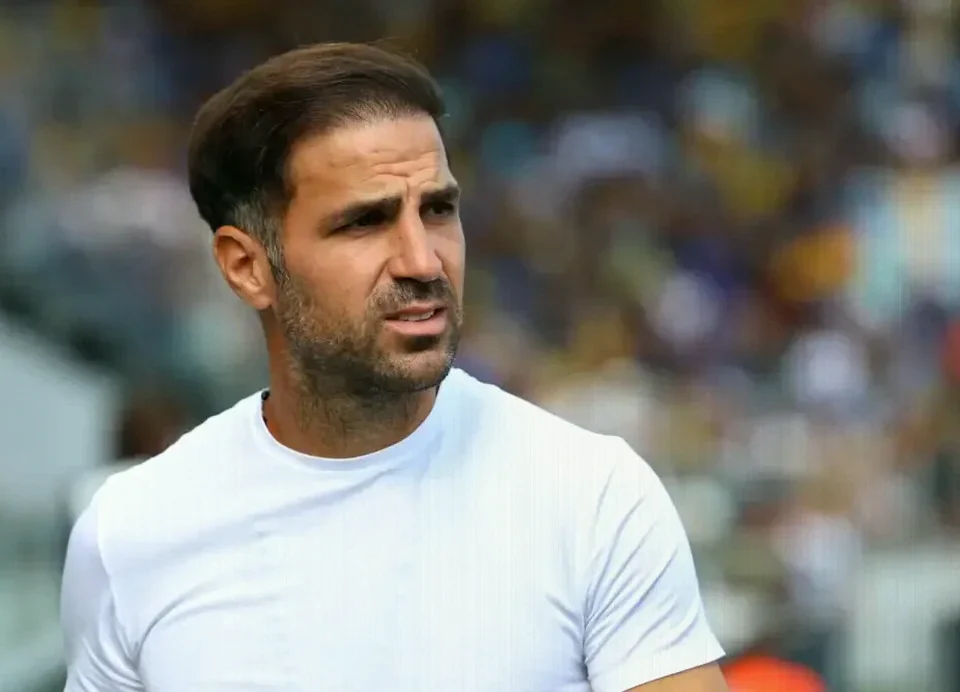
Totti says both clubs offered him the possibility of returning to Serie A. Genoa were then managed by Alberto Gilardino, his fellow Italy World Cup winner from 2006, while Como had Cesc Fàbregas on the bench. The prospect was unusual enough: Totti would have been older than either coach, with Gilardino 42 and Fàbregas 37 at the time.
“I turned down Serie A, Genoa and Como,” Totti writes. “These are not rumours; it really happened. It sounds absurd, but it is true.” He notes that he would have been six years older than Gilardino and 11 older than Fàbregas, the men paid to direct him from the technical area.
A decision shaped by Roma
The 2006 World Cup winner ended his playing career with Roma in 2017, closing 25 years with the club he represented from youth football through to the captaincy. In retirement, however, he felt physically capable of entertaining the idea of one final challenge.
Before replying to Genoa and Como, Totti gave himself time and trained with the possibility in mind. He continued playing Monday eight-a-side football, added three weekly gym sessions and two appointments with a physiotherapist, while tightening his diet. Bread and sweets were removed, a sacrifice he describes as particularly difficult, but his body responded well despite the expected discomforts of approaching 50.
He believed age alone need not have prevented a return. Pace may fade, he reflects, but technique remains. Yet each route back led to the same private question: could he play for a club other than Roma?
“My mind said I could accept, while my heart said no,” he explains, describing the internal argument that accompanied his preparations. “Then they swapped places: the thoughts put on the brakes and the heart began to race.”
For Totti, Roma was not an obstacle to solve but the decisive part of his identity. He writes that sporting betrayal has no age limit, whether a player is 18 or 48. In the end, neither the reunion with Gilardino in Genoa nor Fàbregas’s Como project could loosen the bond that had defined his entire career.