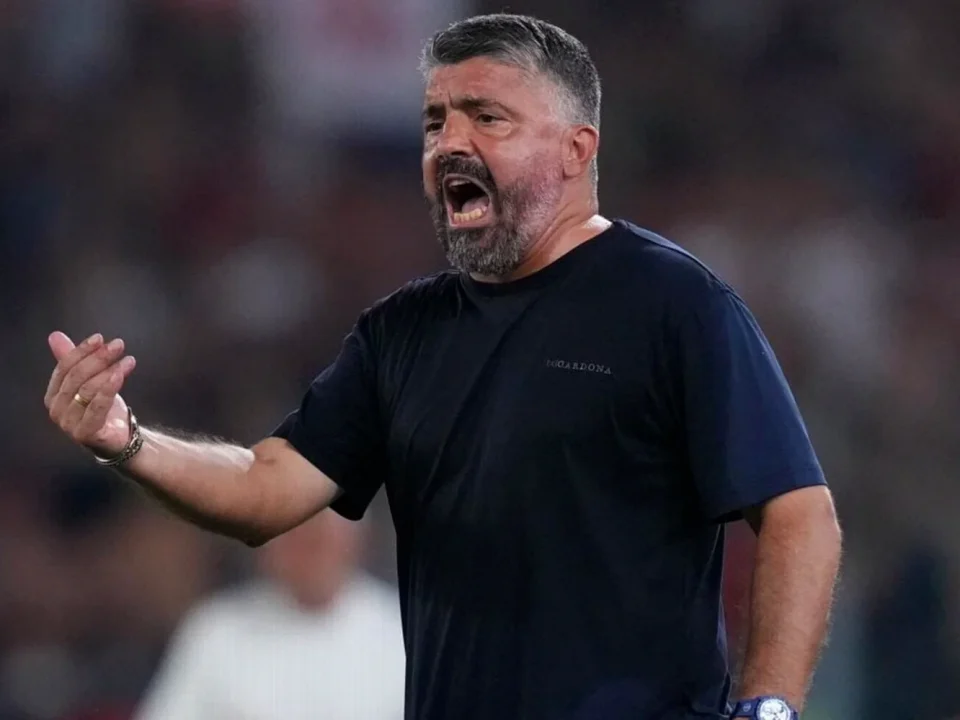
Gennaro Gattuso’s Lazio are becoming one of the season’s more revealing stories: a side shaped by relentless work, attacking intent and a coach determined not to be reduced to the image he carried as a player. After the win over Monza, Gattuso spoke less like the old “Ringhio” and more like a manager who has deliberately changed the way he leads.
The coach and the club
Gattuso said his evolution has been a conscious process. “I have changed over these years. I worked on it and followed a path,” he explained, adding that his responsibility now is to give his best to the players.
The former midfielder, once associated with anger and confrontation, said he no longer reacts as he did in the past. “I do not get angry over everything any more; I have different priorities,” he said. That shift has affected both his family life and his work at the training ground. Gattuso believes a calmer approach has helped him build better relationships with his children and with his squad, because the old methods no longer belong to this era.
That personal change is visible in a Lazio team which has made intensity its central demand. The coach’s instruction is simple: the side must operate “at full speed” throughout the match. Against Monza, Lazio covered 96.093 kilometres, compared with 89.417 for their opponents. They have run further than the other team in each of their first six matches.
Gattuso has not been persuaded to alter that direction, even after Lazio’s energy fell in second halves against Milan and Monza. He sees the physical output as essential rather than optional. The return of injured players should give him more options from the bench, while he would also welcome a fuller Stadio Olimpico and a vocal figure within the group capable of driving teammates through difficult spells.
A football idea built over time
The Lazio of today reflects a coaching education that began almost a decade ago, when Gattuso entered Serie A management with Milan in December 2017. His early influences came from Pep Guardiola and Maurizio Sarri, with an emphasis on building play and controlling the ball.
- At Valencia in 2022-23, he added man-oriented marking and a more aggressive pressing approach to his existing principles.
- Spain coach Luis Enrique, then in charge of the national team, described Valencia as one of the teams he most enjoyed watching.
- Gattuso later took over at Olympique Marseille after Marcelino, dealing with the complications that come with arriving during a season.
- At Hajduk, he worked with a young squad that remained involved in the title race.
His Italy experience is already well known, but the wider path has left Gattuso with a broader identity than the one attached to his playing career. He has combined patient circulation with a willingness to press opponents directly across the pitch.
Against Monza, Lazio showed both sides of that mixture: man-to-man pressure associated with Gian Piero Gasperini’s teams, alongside the forward-and-back passing patterns often linked with Sarri. Gattuso’s added contribution, however, is not only tactical. He places weight on human management, individual judgement and restoring players who may have lost confidence or status.
Beyond the old image
Gattuso has recently spoken with some frustration about the way he is still perceived. He has said he is held back by the “Ringhio” label, insisted that he is not an inexperienced outsider, and admitted that he enjoys coaching more now because he has improved.
Those remarks carry the tone of a coach asking to be judged on the work in front of him. Lazio’s demanding football, their running numbers and their effort to recover neglected talent have become the evidence of that argument. The old player has not disappeared entirely in the competitive edge of the team, but the manager at Lazio is trying to show that he has become something more measured and complete.