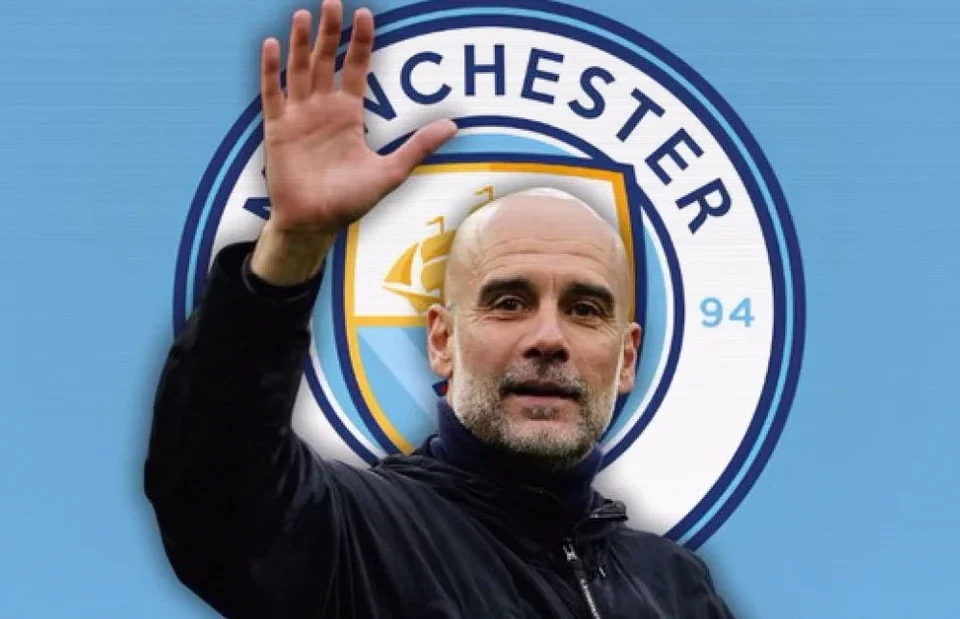
In Manchester, where the Etihad years reshaped the European game as much as the English one, Pep Guardiola has moved to stand beside Manchester City after the club’s financial case reached a finding of guilt. The verdict has also reopened scrutiny of the coach’s place in an era that brought an extraordinary haul of trophies, but whose foundations are now being fiercely challenged.
Guardiola issued his first public message on Wednesday after the outcome was announced, offering unequivocal support to the club where he spent nine seasons. “I want every Manchester City supporter to know that I am here, now more than ever,” he said. “I have always been behind my club, my owner, my chairman, Ferran, the players, staff, Enzo and our exceptional fans. We will get through this together. I love you all.”
The Premier League investigation covered the period from 2009 to 2018, encompassing two campaigns of Guardiola’s Manchester City tenure, including the season in which he won his first English league title. Over his nine years in the city, the Catalan coach collected every major honour available to him with City, among them six Premier League crowns and the Champions League.
A legacy under examination
The finding has prompted an especially severe reassessment of Guardiola’s legacy in England. A prominent commentary argued that the manager had overseen a club sustained by improper financial arrangements, describing the period as fundamentally compromised rather than merely controversial.
The columnist raised three possible interpretations of Guardiola’s awareness of the situation. If he knew, the argument went, his standing as a visionary coach would be undermined; if he did not, it would suggest an extraordinary failure to notice the circumstances around him. A third possibility, the piece concluded, was hypocrisy.
The same critique cited more than €1 billion in alleged fraud across the near-decade under investigation and said doubts about City’s financial structures had been voiced for years, despite hostility directed at those raising them. Its final judgment was that Guardiola remains unquestionably an accomplished tactician with success at several clubs, but that his achievements at the Etihad will now be viewed through a period in which, it claimed, accounting mattered as much as coaching.
For Guardiola, the immediate response has been loyalty rather than distance. Yet as City’s case continues to cast its shadow beyond the boardroom, one of modern football’s most decorated managerial records is being debated in a different light across the continent.