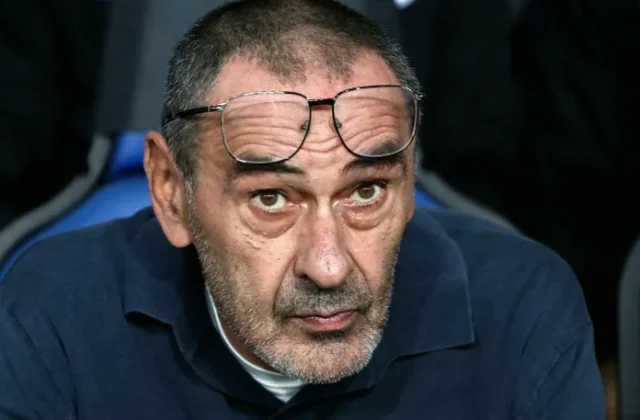
Juventus have reached another familiar point in their modern season: the coach is being discussed before the campaign has found its shape. Luciano Spalletti has only been in charge since 31 October 2025, when he succeeded Igor Tudor, but the pressure around Continassa is already being measured against the next result.
The immediate schedule leaves little room for theory. Rennes arrive next, followed by Sunday’s Serie A trip to Lecce, after the heavy defeat to Lazio. A response in those two matches would calm the mood; further setbacks would make even recent assurances vulnerable.
Quick facts
- Spalletti’s Juventus contract runs until 2028.
- Juventus have made a strong start in Europe but have disappointed in Serie A.
- Chief executive Giovanni Carnevali, in post since June, is backing Spalletti alongside directors Ricky Massara, Marco Ottolini and Giorgio Chiellini.
- John Elkann’s latest €250 million capital increase underlines the ownership’s continued financial commitment.
- A top-four league finish and/or Europa League success would secure Champions League football.
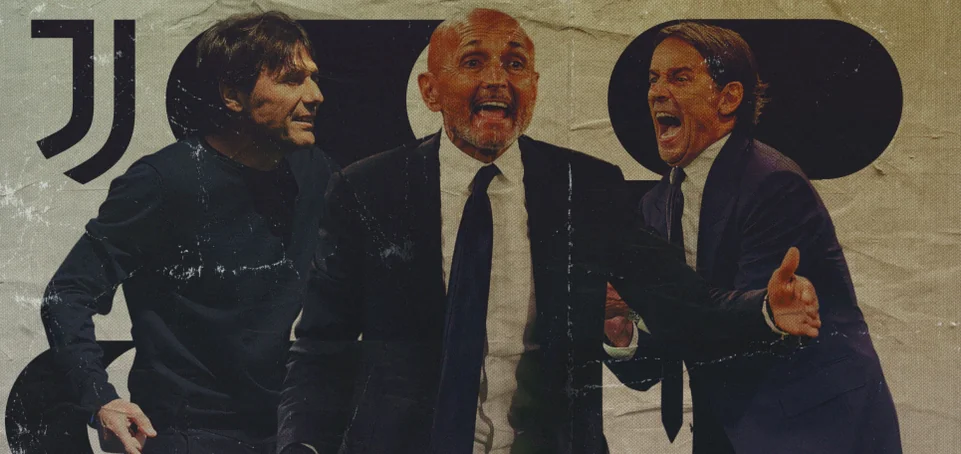
- Antonio Conte and Simone Inzaghi remain potential alternatives if Juventus change direction.
A club trying to protect its project
Carnevali’s first instinct has been to shield the coach rather than reopen the search. The club’s leadership want Spalletti to work without daily uncertainty, even though the project was inherited from the previous Comolli administration.
There is a simple way to give that message greater force: extend a contract that already runs to 2028. For now, Juventus are building a public and internal barrier around the former Italy coach, convinced that he retains the authority and quality to turn the season.
That is the intention, at least. Juventus have spent seven years watching the Scudetto race from a distance, and patience at a club of their scale is always conditional. The old rule remains in force: results decide who stays and who leaves.
Carnevali may yet take a direct message into the dressing room: Spalletti will remain next season, and anyone unwilling to follow him can depart. Bremer and the rest of the squad would understand the implication clearly.
Europe, Lecce and the value of a turning point
Spalletti knows contracts and boardroom support are secondary to points. Juventus can still reshape their 2026-27 campaign through the coming fixtures, beginning with Rennes and Lecce.
A winning sequence would move the discussion away from replacement candidates and towards recovery. The opposite outcome, particularly after the Lazio loss, would revive fears of another season without Champions League qualification.
That prospect matters beyond the table. Juventus are operating within the constraints of their UEFA settlement agreement, and the club expect two more difficult transfer windows after the last one. Champions League income would give the project sporting and financial breathing room.
The spring assessment is likely to be direct. Fourth place, or lifting the Europa League and thereby reaching the Champions League, would give Spalletti a compelling case to see out his deal. Another sixth-place finish would not.
Conte remains the emergency answer
If Juventus were forced into a change during the season, Conte would be the straightforward choice. He is not a neutral option at this club: he is a former captain and coach whose 2011 arrival helped restore a winning standard after a difficult period.
Conte’s methods demand much from every department. Training arrangements can change day by day, while staff from team manager Matteo Fabris to the medical, equipment, ground and catering teams would face a more intense working rhythm. The calculation has always been that the strain is justified by results.
His record explains the attraction. He rebuilt Juventus into champions, and at Tottenham he showed he could make an immediate intervention: in 2021-22, Spurs rose from ninth in the Premier League to fourth and took Champions League qualification ahead of Arsenal.
Conte once set the tone at Juventus in blunt terms, arguing that the club had to stop accepting poor standards and become difficult, successful opponents again. His connection with the Bianconeri support would also give him an unusual capacity to lift the Allianz Stadium.
Chiellini has strongly supported Spalletti and continues to do so, but he also knows Conte’s impact personally. The former defender understands that Conte’s influence would extend beyond the squad, reaching the mentality of the entire club.
Inzaghi and a different route
Simone Inzaghi represents a markedly different possibility, more likely for June should Juventus wait until the end of the season. His lucrative Al Hilal contract expires at the end of the campaign, opening the prospect of a return to Italy.
At Inter, Inzaghi followed Conte, won a Scudetto and several domestic cups, reached two Champions League finals and improved players while helping the club’s financial position through consistent performance. He could argue in meetings, but he also accepted and publicly defended the club’s eventual decisions.
That aspect would carry weight at Juventus, where transfer planning will remain tightly controlled. Inzaghi had already shown his coaching ability at Lazio, then raised his level further at Inter.
There is, however, a question in the sequence. Inzaghi succeeded a Conte-built Inter, much as Massimiliano Allegri took over a Juventus restored by Conte. Whether he can lead a club directly from a flatter cycle into a winning one, without first passing through Conte’s intense reconstruction, remains untested.
For now, Carnevali may not need to resolve that choice. Spalletti still has matches, a European route and a league target in front of him. At Juventus, the next chapter will be written less by promises than by what happens against Rennes, Lecce and the weeks that follow.