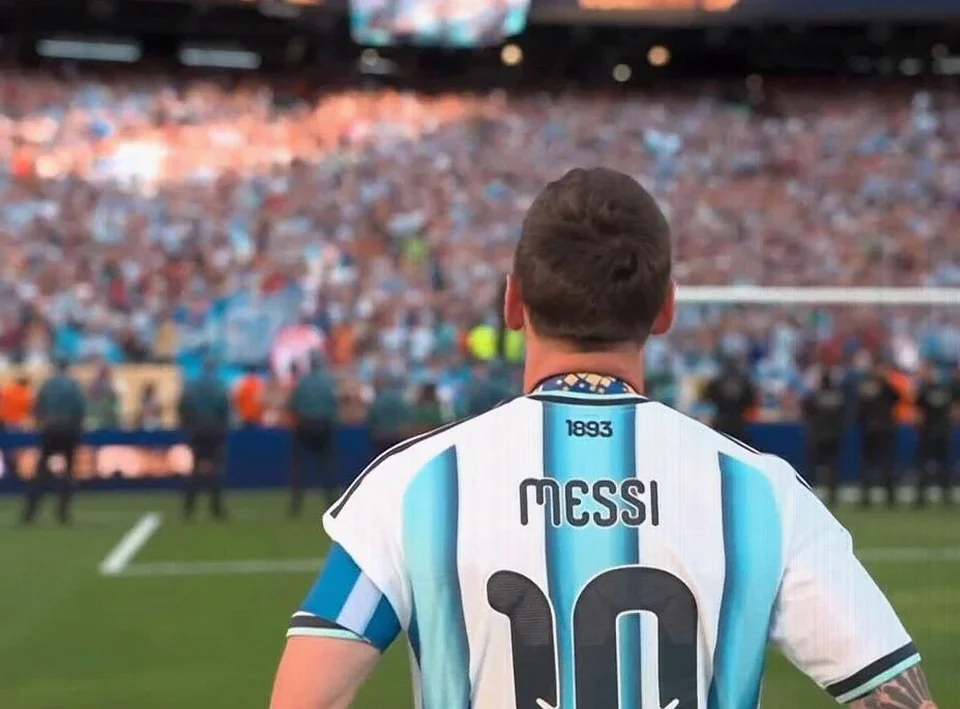
Across Spain’s lower tiers, football’s most familiar names are beginning to appear not only on shirts and stadium screens, but on ownership documents. Lionel Messi’s move into Catalonia and Cristiano Ronaldo’s investment in Almería underline a wider shift: global stars are finding value, growth potential and international reach in clubs well beyond Europe’s grandest stages.
Messi’s Spanish foothold expands
Messi has taken full ownership of Unió Esportiva Cornellà, the Catalan club competing in Spain’s Tercera Federación, the fifth level of the national pyramid. The purchase, completed in April, places the Argentine behind a side known for its work in developing young players.
His involvement in Spanish football may soon extend to a higher division. Messi has reached a preliminary agreement to buy Eldense, a second-tier club, from Colombian group TH Soluciones. The proposed deal covers all of the group’s shares, although legal formalities remain and Spain’s Higher Sports Council must still approve the transaction.
For investors with the resources of Messi, a club outside the elite can offer a markedly different calculation from the purchase of an established Champions League regular. The entry cost is lower, while promotion, improved commercial income, academy sales and a larger support base can rapidly alter a club’s value.
- Messi bought 100% of Cornellà in April.
- Cornellà play in the fifth-tier Tercera Federación and have a reputation for player development.
- His planned Eldense takeover remains subject to legal procedures and authorisation from Spain’s Higher Sports Council.
- The Eldense agreement concerns the full stake held by TH Soluciones.
Ronaldo and a growing ownership circle
Ronaldo has also chosen Spain for a football investment. In February, the Portugal captain acquired a 25% holding in second-division Almería through CR7 Sports Investments, the company established to bring together his sporting ventures.
The two long-time rivals are part of an expanding group of players and former players with club interests. Kylian Mbappé, N’Golo Kanté, Gerard Piqué, David Beckham and Zlatan Ibrahimović have all invested in teams, reflecting how football ownership has become an alternative asset for figures who built substantial fortunes and worldwide brands during their careers.
Moises Assayag, a football-finance specialist and managing partner at Channel Associados, believes professional management is central to the appeal. He said investors entering smaller clubs may not have a prior emotional attachment, but tend to operate with business criteria, pursuing financial results that can also improve sporting performance.
Assayag described lower divisions as particularly attractive because the investment required is smaller and the scope for revenue and profit growth can arrive sooner. In market language, the greater “upside” can mean a quicker return if the club develops successfully.
A celebrity name can change the market around a club
The investment is not confined to capital. Messi, Ronaldo and other celebrities bring audiences that most regional clubs could not build through results alone. A modest ownership stake from a world-famous figure can place a club in front of international supporters, potential sponsors and new commercial partners almost immediately.
Thiago Freitas, chief operating officer of Roc Nation Sports in Brazil, said that even a limited, non-controlling celebrity investment can create attention far beyond the usual sports pages, generating interest in the club’s brand and related products.
That visibility can support sponsorship deals, merchandise sales and social-media growth without requiring the investor to run football operations every day. Freitas expects the trend to broaden over the coming years, with dozens — and potentially a hundred — figures from music and cinema taking minority positions in clubs as part of their alternative investment portfolios.
Wrexham showed the entertainment model
The clearest recent example outside the player market came in Wales. Actors Ryan Reynolds and Rob McElhenney took charge of Wrexham in 2021, when the club was playing in England’s fifth tier. Their project joined football with entertainment through the documentary series “Welcome to Wrexham”, turning a club far from the elite into an internationally recognised story.
Commercial expansion was accompanied by progress on the pitch, with Wrexham securing a sequence of promotions. The case demonstrated why clubs once overlooked by major investors can become compelling propositions when sporting ambition, a strong narrative and global celebrity are combined.
Reynolds and McElhenney have since carried the idea beyond Europe. They are part of the investment group that acquired La Equidad in Bogotá, alongside figures including Eva Longoria.