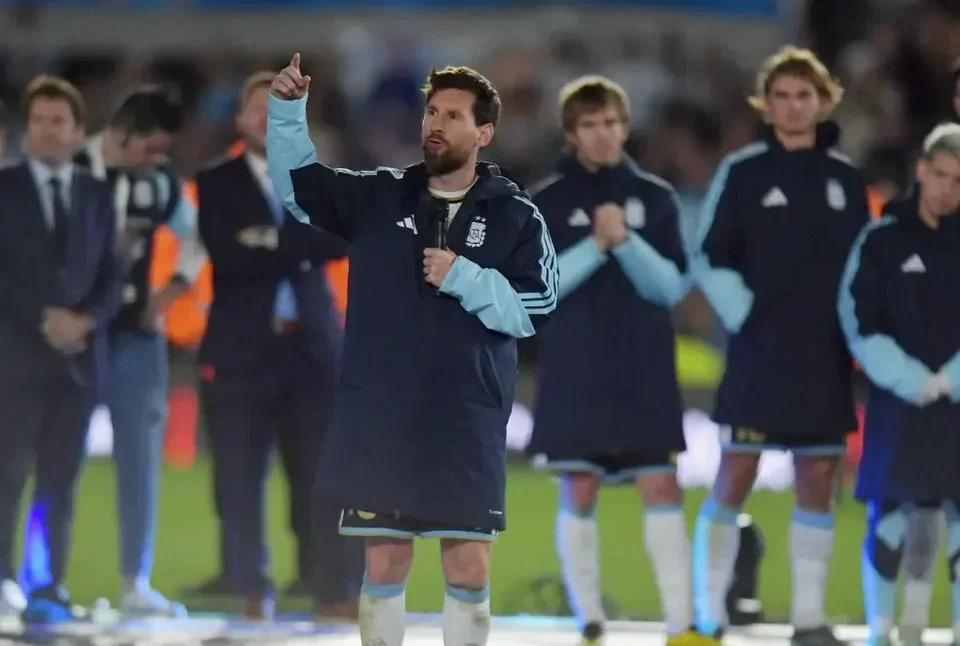
There was a final, lingering quality to Lionel Messi’s latest appearance for Argentina, a night shaped as much by the pauses as by the football. With his children beside him during the national anthem, the captain appeared overcome and was unable to sing, while the stadium marked the occasion from the opening minutes.
Ten minutes into the match, play stopped for a minute of applause. Argentina’s players and supporters joined in, chanting Messi’s name for the man who remains the country’s all-time leading scorer. The first half offered little in the way of memorable action, yet every touch from Messi’s left foot carried its own charge around the ground.
Argentina found their goals after the interval, with Messi providing the final pass for the first two. Still, the crowd wanted a final strike of its own from the No. 10. It arrived in the 70th minute, when he converted a penalty from the spot for what was described as his last goal in Argentina colours.
Even after the score had been settled, nobody inside the stadium seemed ready for the evening to end. When the fourth official indicated three minutes of stoppage time at the 90-minute mark, there were whistles from the stands; three additional minutes felt insufficient for a farewell that had already stretched far beyond the match itself.
The most unusual scene came in the 93rd minute. Chilean referee Fernando Vejar checked his watch and approached Messi before bringing the contest to an end. Vejar told the Argentina captain that it was time to finish, but waited for Messi’s acknowledgement. Messi responded with a resigned nod, allowing the official to blow the final whistle.
It was a small, intimate exchange at the end of an overwhelmingly public tribute. Messi later spoke in his farewell remarks of not wanting to leave the pitch, and the closing moment reflected the mood of a night in which Argentina’s supporters tried to hold on to their captain for just a little longer.