In Dortmund, where a Champions League night should have carried Borussia toward the stadium lights, Mikel Merino still measures one of the defining moments of his life by a seat on a team bus. A small break from routine on 11 April 2017, he has recalled, may have spared him from the worst of the bombing that struck the Borussia Dortmund squad as it travelled to a European quarter-final.
The team coach was around 10 kilometres from the ground, shortly after 7pm, when three improvised explosive devices detonated alongside it. The match could not go ahead that evening. Marc Bartra was injured, suffering serious damage to his wrist and requiring hospital treatment, while the bus itself was hit by the force of the blasts.
Merino, then a Dortmund player, stayed close to Bartra amid the immediate confusion. “There was a deafening noise, then I remember the bus almost overturning,” he said. “I looked back and saw blood on the floor. Smoke, screams.”
Only the following day did the Spanish midfielder learn how narrowly he might have escaped injury himself. He had usually sat next to Bartra, but on that journey his legs felt heavy and he moved to an empty seat nearer the front, where the chairs could recline. A large piece of shrapnel was later found embedded in the headrest beside Bartra — the place Merino normally occupied.
“That day the seat was free, so I sat there, and perhaps that saved my life,” he said. “I think I have a guardian angel. The truth is that I am lucky to be alive.” Merino said he has come to believe that events happen for a reason, a conviction shaped by a journey through the Ruhr that began as an ordinary matchday transfer.
From Dortmund to North London
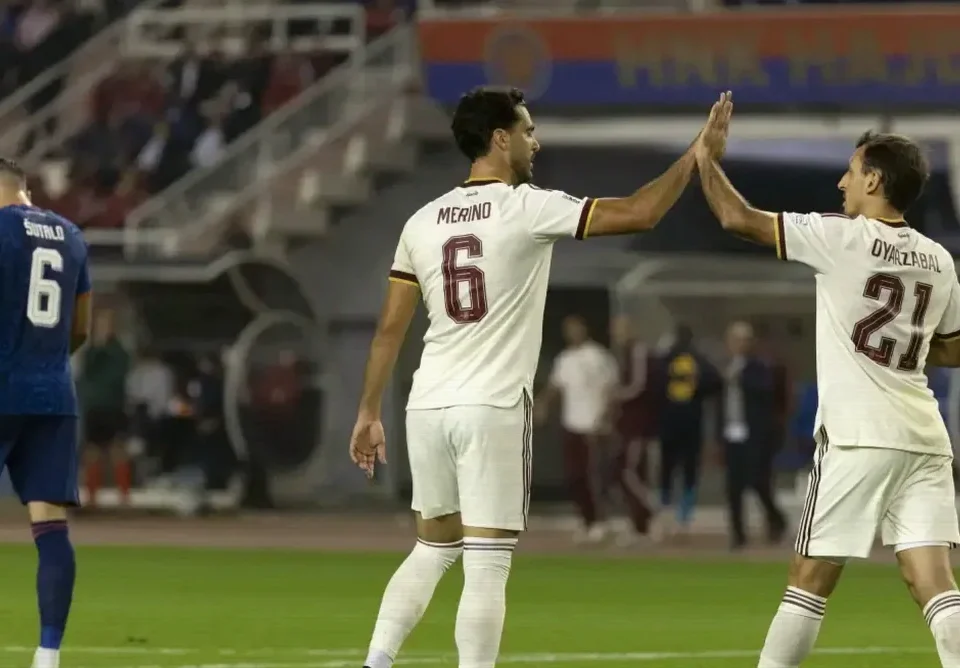
The attack did not halt Merino’s career, though it became an enduring part of how he approaches difficult moments. He left Dortmund that summer for Newcastle United, returned to Spain to establish himself at Real Sociedad, and joined Arsenal in 2024.
He has also described the more recent fear of losing a World Cup to injury after being diagnosed with a stress fracture in his right foot. Sitting in a club medical office in February, wearing an orthopaedic boot, Merino watched the club doctor and head physiotherapist explain the diagnosis through a presentation. Arsenal were competing for the Premier League and the World Cup was approaching.
His central question was how long he would be out. The answer — six months — left him believing the tournament had gone. When he asked whether there was certainty, he recalled the doctor responding: “Mikel, I’m sorry. It’s impossible.”
Merino drove home in silence and broke down when he told his wife. “My head had understood it already, but my heart needed me to say it out loud,” he said. Yet, once the first shock faded, he returned to the outlook he had formed in Dortmund: perhaps there was a purpose even in an unwelcome setback. The doctors had regarded the World Cup as beyond reach, but Merino’s recovery gave him the chance to remain in contention for Spain.