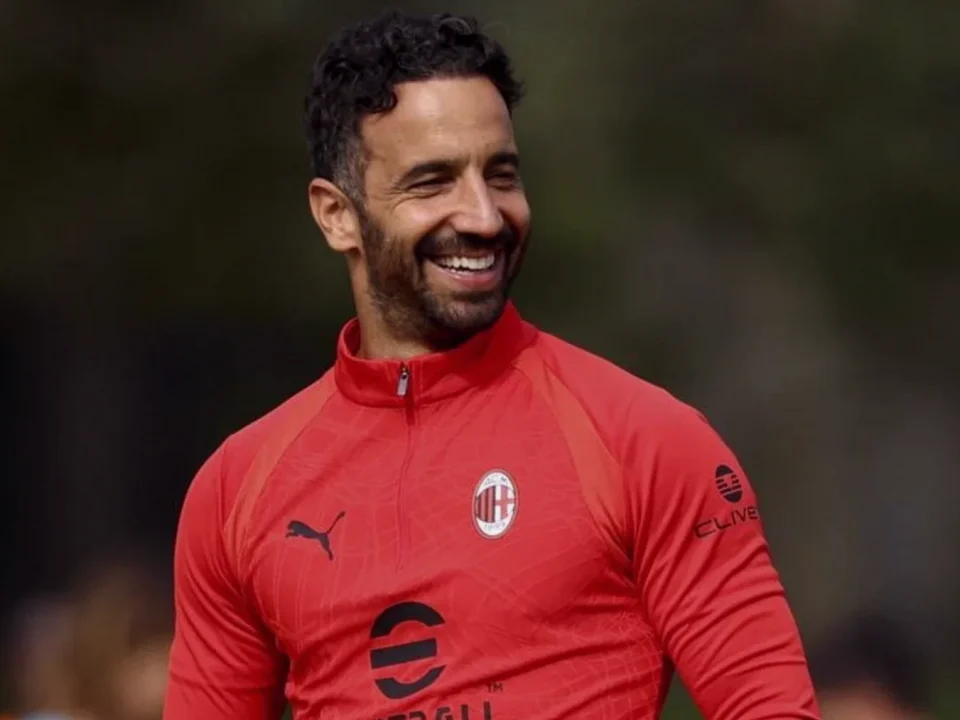
Milan return from the international break with calm around the club, but little room to enjoy it. The 20 September win over Lecce left the Rossoneri with 11 points from their opening five Serie A matches, while away trips to Juventus and Lazio have passed without defeat. Now Ruben Amorim’s side face a defining stretch: nine matches in 28 days, with league and European demands arriving almost without pause.
A month that will test Milan’s depth
The sequence begins on Sunday at Sassuolo, a ground that has offered Milan few recent comforts. Across the sides’ last 10 meetings, Sassuolo have won four times, with three draws and three Milan victories. The Rossoneri have not won at the Mapei Stadium since the Scudetto-clinching afternoon of 22 May 2022.
That fixture opens a run in which every match carries weight. Milan will travel to Salzburg on 15 October and Bournemouth on 22 October for their first two European away fixtures, both becoming more important after the opening home defeat to Benfica. The Austrian and English opponents are in good form, with youthful squads eager to make their mark.
Atalanta visit San Siro between those two continental trips. Milan will then go to Udinese on 25 October before a demanding home sequence: Bologna arrive for the midweek Serie A round on 28 October, followed by the Halloween-night derby and the Europa League meeting with Ferencvaros on 5 November.
The final appointment before the second international break is another difficult journey, away to Genoa on 8 November.
Rotation becomes a necessity
Amorim has already made clear that he intends to rotate his squad heavily. With games coming every three days, that is less a preference than an operational requirement. Yet Milan cannot afford to surrender too many points in either competition, leaving the coach to balance freshness with the need to select his strongest available side.
Injuries to Estupiñán and Saelemaekers make the task harder. Bartesaghi is expected to become the regular starter on the left, with Diawara his principal alternative. Diego Moreira, meanwhile, is likely to feature more often as an attacking midfielder than in a wide role.
The Lecce shape remains the reference
The 4-4-2 used against Lecce is expected to remain Milan’s main framework after being worked on at Milanello during the break. In possession, Gila can move into the right-back position, giving Chukwueze and Pulisic greater freedom in attacking areas.
Gonçalo Ramos, restored to form, is set to remain the principal focal point up front. Camarda is also expected to push for opportunities, particularly in European matches, where squad management may create more openings.
Amorim has acknowledged that his Milan are still some distance from the team he wants to build. The coming four weeks will not settle the season, but they may show how quickly the coach’s ideas can take hold while the club navigates a calendar with no easy stopping point.