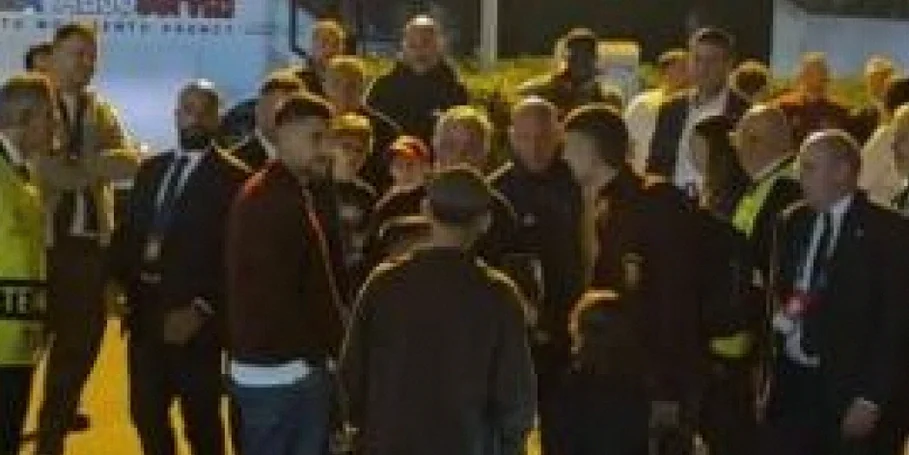
José Mourinho’s return to the Stadio Olimpico became more than an opposing coach’s visit. Roma supporters filled the occasion with songs, banners and flags, while Paulo Dybala, Gianluca Mancini and Lorenzo Pellegrini waited for him in the stadium car park after the final whistle.
Key takeaways
- Mourinho received a warm reception from Roma fans despite returning on the other side.
- Dybala, Mancini and Pellegrini met their former manager after the match.
- The Portuguese coach had built particularly close bonds with all three during his Roma spell.
- Pellegrini’s meeting carried added meaning after the pair resolved a dispute following Mourinho’s dismissal.
- Mourinho said he was unable to find words for the reception from the Roma public.
An old bond still present at the Olimpico
The match itself belonged largely to Gian Piero Gasperini’s side, although the closing stages brought a comeback with the sort of late resistance long associated with Mourinho’s teams. The result did not lessen the feeling inside the ground that Roma were welcoming back a manager who remains closely tied to a significant recent period in the club’s story.
Under Mourinho, Roma reached two European finals, and the connection with the supporters was evident from the moment he arrived. After the game, visibly moved by the response, he said: “The welcome from the Roma fans? I have no words. I truly cannot say anything else.”
Many supporters remained outside the stadium in the hope of securing a photograph or autograph. In the car park, Dybala, Mancini and Pellegrini made their own gesture, greeting the former coach despite the disappointment of the evening’s outcome.
Pellegrini and Mourinho close an old chapter
Dybala and Mancini have retained a strong relationship with Mourinho, but Pellegrini’s presence had a particular weight. When the Friedkin ownership removed Mourinho from his post, the coach left his Conference League winners’ ring in the then-captain’s locker.
Alongside the ring, Mourinho placed a photograph of himself with his European trophies and a note carrying a pointed message: “Give it back to me when you become men.”
Pellegrini was hurt by the episode and later called Mourinho to make clear that the squad had not been responsible for the club’s decision to change manager. He told him the players had not worked against him; rather, the situation had been beyond their control.
Mourinho accepted that explanation and apologised to Pellegrini for the harshness of his words. Their meeting at the Olimpico offered the chance to put that reconciliation into a more personal, public setting: one more reminder that, in Rome, Mourinho’s chapter has not been reduced to the day his tenure ended.