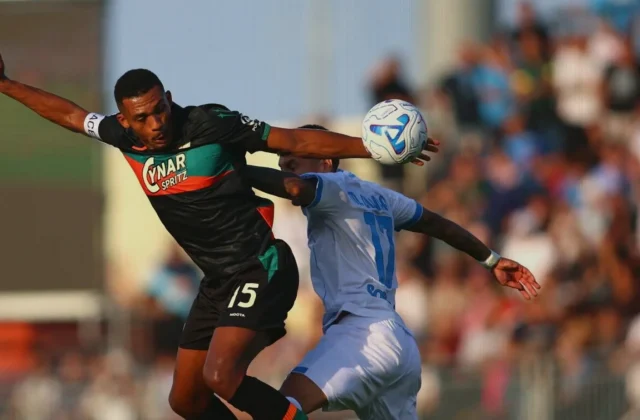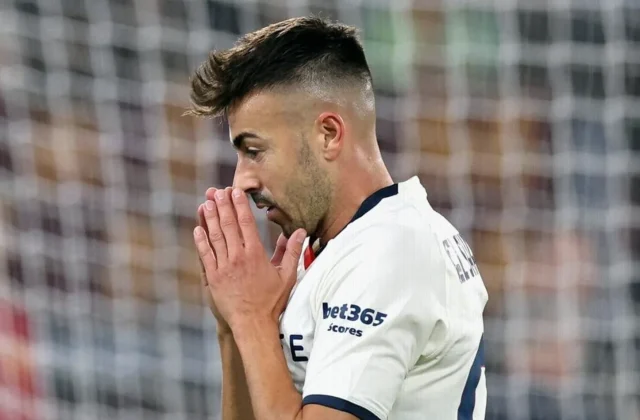
Napoli’s season has reached an early point of discomfort. The 1-0 defeat at Venezia, a side bottom of Serie A before collecting its first points, exposed problems that have been building beyond one difficult afternoon.
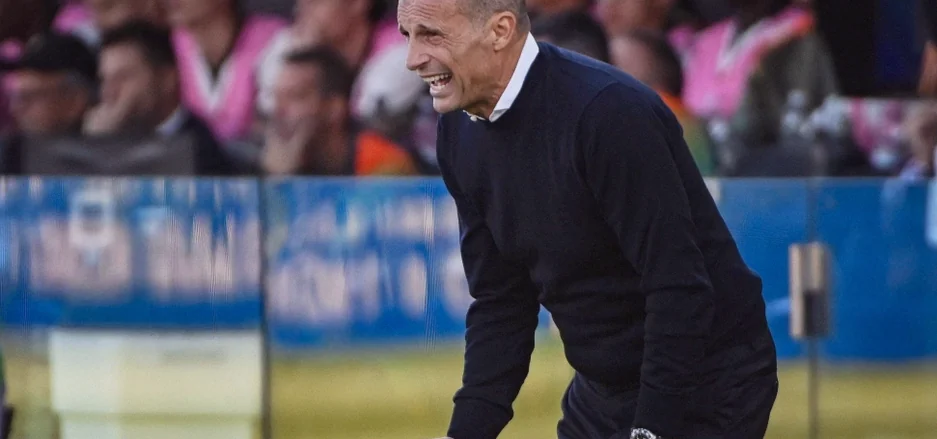
Massimiliano Allegri made expected changes to his selection, but Napoli still failed to score against the league’s weakest defence. Even after leading names were introduced from the bench, Venezia’s narrow advantage held.
Quick facts
- Napoli have taken 10 points from seven Serie A matches, with three defeats.
- They have also lost both of their Champions League fixtures.
- The team have scored 10 league goals, an average of 1.42 per game.
- Venezia’s victory was their first points return of the Serie A campaign.
- Napoli have suffered more muscular injuries than any other Serie A club this season.
The immediate concern is attacking return. Napoli have created openings in several matches, including in Venice, but have not converted enough of them into goals. Ten goals from seven league games is not a pace normally associated with a top-four finish.
Last season offered a clear comparison. Milan scored 53 league goals and still failed to qualify for the Champions League, while Napoli made it with 58. Napoli’s present scoring rate would leave little margin for error over the remaining months.
Rasmus Hojlund remains important to the side. He won the penalty that Kevin De Bruyne failed to convert, but the striker has not scored for around six weeks. Lorenzo Lucca has received a more regular run than in the past, yet has so far made no positive impact in front of goal.
The lack of goals from the forwards is part of a wider offensive shortfall rather than an isolated problem. Napoli often appear to lack the extra force needed to turn a difficult match in their favour.
There is also a question over the age and continuity of the group. A large part of the squad has been together for years, which can offer familiarity, but can also bring fatigue and reduced hunger when results cease to arrive regularly.
Napoli did little to refresh that group during the summer. Favasuli and Benoît Badiashile, who joined on loan from Chelsea amid concerns over his physical reliability, were the only new faces.
The club’s room for manoeuvre had already been restricted by commitments to sign Hojlund, Lucca and Alisson Santos. Those deals required an outlay of about €90 million before the transfer window had truly begun, leaving Napoli unable to make meaningful additions while rivals strengthened.
The only significant departure was Miguel Gutiérrez, who has made a strong start at Bayer Leverkusen. Napoli, meanwhile, entered the campaign without the reinforcements required to alter the balance of the squad.
Injuries have added another layer to the problem. Last season’s long list of absences, largely muscular, had been linked to Antonio Conte’s demanding training methods. This season suggests the issue cannot be reduced to that explanation alone.
David Neres suffered another setback shortly after returning against Villarreal and is expected to be out for several weeks. Alisson Santos was injured in Venice and will undergo scans to establish the extent of his problem.
Allegri inevitably stands at the centre of the scrutiny. He is responsible for a start that has brought three league defeats and two European losses, while part of the Napoli support has remained unconvinced since his appointment.
Memories of his incomplete Milan spell, both in results and in the team’s broader direction, fed that caution. There are also signs that the necessary connection with the players has not fully formed, with the misunderstandings involving De Bruyne illustrating the tension.
Allegri has overseen major recoveries before, but Napoli first need a stable platform from which to begin one. Without a quick response, they risk falling further behind in Serie A and placing their Champions League playoff hopes in danger before the season has properly settled.