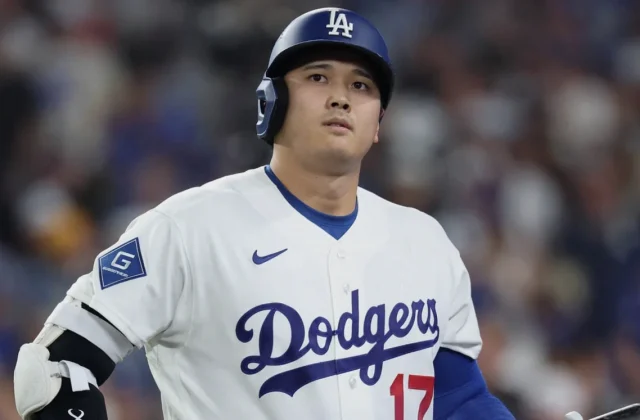
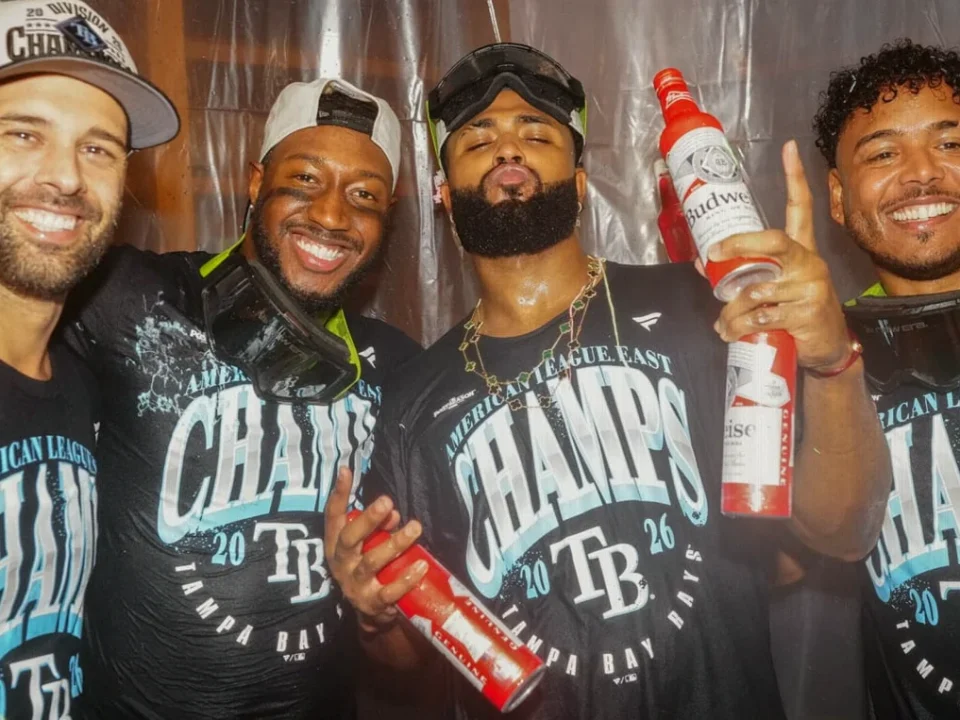
The Rays arrived in Philadelphia with 96 wins, an American League-best record and a season-long habit of making opponents do the hard work. Tampa Bay has beaten 27 different clubs, leaving only the Dodgers—who swept the Rays in Los Angeles in June—and the Phillies, their upcoming first-time opponent this weekend, off that list.
Key takeaways
- Tampa Bay entered Thursday with MLB’s lowest hitter strikeout rate at 18.6%.
- Rays pitchers owned the Majors’ best walk rate, issuing free passes in only 6.8% of plate appearances.
- The club’s .723 defensive efficiency ratio led baseball.
- Tampa Bay was 25-14 in one-run games, good for a .641 winning percentage that paced the Majors.
- The Rays were also MLB’s best in games decided by three runs or fewer, going 60-34.
The Rays make clubs earn every inch
There are plenty of ways for Tampa Bay to put a game in its pocket. The lineup can manufacture a run, stack singles and walks, or change the score with a homer. The pitching staff has enough rotation depth and bullpen strength to match up with nearly anybody.
But the sharper edge of this club is its ability to avoid handing away innings. The Rays put more balls in play than any other team, challenge opposing defenders and limit the easy outs created by strikeouts. On the mound, they keep runners off base without a hit. Behind the pitchers, they convert balls in play into outs at a better rate than anyone else.
“They’re built to remain in games,” president of baseball operations Erik Neander said. “They’re a difficult team to separate from, and as the game unfolds, they have a lot of ways to find the opening and win it.”
Utility man Ryan Vilade boiled down the formula simply: “That’s baseball.”
Second baseman Richie Palacios said the club treats those basics as daily business. Keep strikeouts down, avoid walks and finish defensive plays, he said, because staying locked into those details gives the Rays their best chance every night.
Manager Kevin Cash sees the connection most clearly in tight games. “Close games are everything,” Cash said. “You can’t put guys on with walks, and you have to take care of the baseball. When the other side gives you an out, you have to record it.”
That discipline has shown up in Tampa Bay’s record in nail-biters. The Rays’ 25-14 mark in one-run decisions translates to a .641 winning percentage, while their 60-34 record in games settled by three runs or fewer is a .638 clip. Both were the best marks in the Majors.
Contact, confidence and a dependable glove
The lower strikeout rate is a newer part of the Rays’ identity. Their roster includes more position players built around speed and contact, with Chandler Simpson standing out as the clearest example. Tampa Bay has leaned harder into small ball than it did in previous seasons, and the adjustment has produced a lineup that is tougher to plan against.
Cash said the organization believed the offense could become more contact-oriented, even if nobody could have confidently predicted it would lead the league in that area. Watching the hitters compete through at-bats and force pitchers to work, he said, made the development understandable.
Catcher Liam Hicks noticed the irritation factor from the other dugout before joining Tampa Bay in a Trade Deadline trade last month. He saw a club with athletic defenders, precise positioning and an offense that had become much harder to strike out. Now wearing a Rays uniform, Hicks said the value of that approach is even clearer.
“There’s a difference between getting beaten and beating yourself,” Hicks said. “You don’t want to leave the field thinking you could have won if you hadn’t made your own mistakes. This team is good at staying away from that.”
The pitching-and-defense portion of the blueprint is more familiar. The Rays have long prioritized defense, particularly through the middle of the field, while pitching coach Kyle Snyder has consistently emphasized getting ahead in counts—what the club calls racing to two strikes.
Shortstop Taylor Walls said the goal is to handle what the team can control: make opponents earn their runners, earn their outs and earn their runs. The routine play, he added, carries the same importance as the highlight-reel one.
That defensive trust gives pitchers greater freedom to work in the zone. Tampa Bay’s .261 batting average on balls in play was the lowest in the Majors, a figure Snyder views less as fortune than as evidence of strong defenders and effective placement.
“We try to give pitchers confidence to use their stuff in the strike zone before two strikes and make hitters put the ball in play,” Snyder said. “That message has been there throughout my time here, but elite defense makes it even more powerful.”
For a Rays club that has found 96 wins through power, speed, pitching and pressure, the quieter part of the success may be its most durable: it does not make the other team’s job easier.