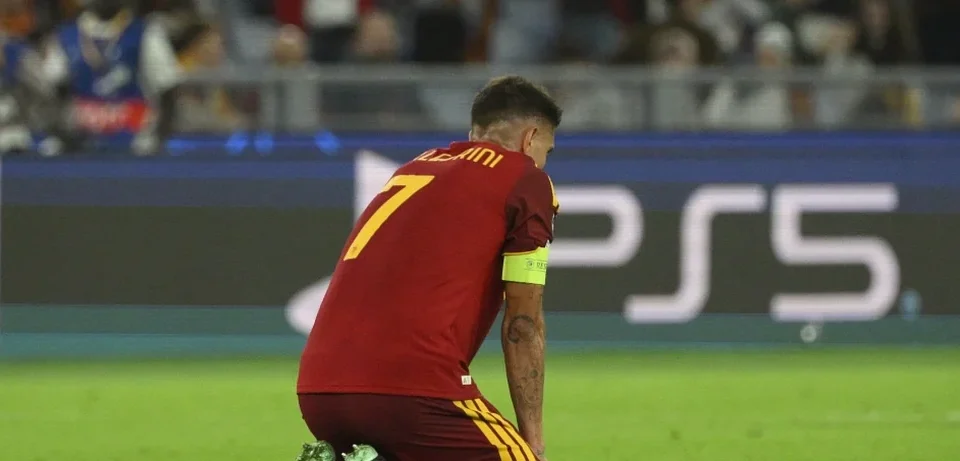
Roma were seven minutes from a night that could have marked a change in status. For more than an hour against Real Madrid at the Olimpico, Gian Piero Gasperini’s side controlled the contest and appeared ready to turn a strong performance into a defining result. Instead, Real’s late comeback transformed promise into a painful defeat, leaving Roma to begin a demanding stretch with both emotional and physical damage to manage.
The coach and the club
Gasperini must now steer his squad through seven matches in 24 days, beginning with Saturday’s visit of Daniele De Rossi’s Genoa. Slovan Bratislava, Napoli, Cagliari, Udinese, Manchester United and Sassuolo follow, leaving little room for recovery after a collapse that will test the group’s resilience.
The concern is not limited to the result against José Mourinho’s Real Madrid. Roma have experienced a similar setback before. On 1 March, they surrendered a two-goal advantage against Juventus, with Boga and Gatti bringing the game back to 3-3 late on. That draw was followed by league defeats to Como and Genoa, then Europa League elimination against Bologna, as Roma gradually slipped away from the Champions League places.
There was eventually a response last season, with Gasperini’s team recovering to finish third. Yet the immediate aftermath of that Juventus match showed how heavily such a setback can weigh on a side. With Genoa arriving next, Roma cannot allow the Madrid defeat to become the start of another difficult run.
- Roma led the contest against Real Madrid and dictated play for around 70 minutes.
- Real Madrid mounted a late comeback, denying Roma a potentially significant victory at the Olimpico.
- Roma now face Genoa on Saturday before a run of six further fixtures in the following 24 days.
The coach’s work will be as much psychological as tactical. Attention has focused on the players introduced during the closing stages against Madrid, but Gasperini must restore confidence across the squad rather than merely identify those responsible for the final minutes. He must also find practical answers to an increasingly serious availability problem.
Manu Koné will certainly miss the next three matches after suffering a hamstring strain. Further examinations are planned for Friday, but the issue is believed to be a recurrence of an earlier injury and could keep the Frenchman out until after the mid-November international break.
Paulo Dybala is also doubtful after leaving the field near the end of the first half with calf discomfort. His condition will be assessed on Friday. The two fresh concerns join goalkeeper Mile Svilar, who may return before the break, as well as Bryan Cristante and the suspended Malen.
Midfield is the most immediate problem. De Roon and Pisilli are the only available options in that department, and the workload is particularly demanding for the 35-year-old Dutchman with so many games approaching in quick succession.
Further forward, Roma will need Mora and Castro to justify the confidence shown in them during the summer and the club’s market decisions. There is a greater sense of maturity within this Roma side than there was a season ago, and their display against Real Madrid offered evidence of that.
But the difference between being a capable team and becoming a truly complete one remains clear. Roma were close to taking that next step at the Olimpico. Their response against Genoa will reveal whether the disappointment becomes a burden or another part of their development.