Roma’s place within the Friedkin family’s football portfolio appears increasingly clear: while Everton may be open to a change of control if the right buyer emerges, the Giallorossi remain the group’s defining European project.
The possibility of a sale at Everton would mark a shift from the initial idea of bringing in additional investors while retaining a majority holding. The English club was acquired in December 2024 during a difficult period of debt, uncertainty and financial pressure, and the work since then has been directed towards restoring stability. Part of the debt has been refinanced, while the process surrounding the new Hill Dickinson Stadium has been carried through with the owners’ support.
That intervention has made Everton a more secure and potentially more attractive asset. Yet putting a club back on sounder footing is not always the same as building a lasting personal commitment to it. In the Friedkins’ case, the contrast with Roma is substantial.
Roma at the centre of the project
Since purchasing Roma in August 2020, the Friedkins have put more than €1 billion into the club. The figure reflects the ownership’s wider financial support, including the needs of the sporting project across successive transfer windows, rather than merely the cost of individual arrivals or departures.
More importantly, Roma’s future has been tied to an undertaking designed to outlast any single season: the proposed new stadium at Pietralata. The project is valued at roughly €1.4 billion and is intended to become the foundation for the club’s long-term financial strength and sporting ambitions. For Roma, the stadium is not simply a new venue, but the central infrastructure through which the club hopes to grow in the years ahead.
That scale of investment, and the sustained work required to advance the project, suggests a relationship beyond one built for a later resale. Roma have become a major part of the Friedkins’ identity in European football, combining international visibility with a connection to a city and support that cannot be measured only through balance sheets.
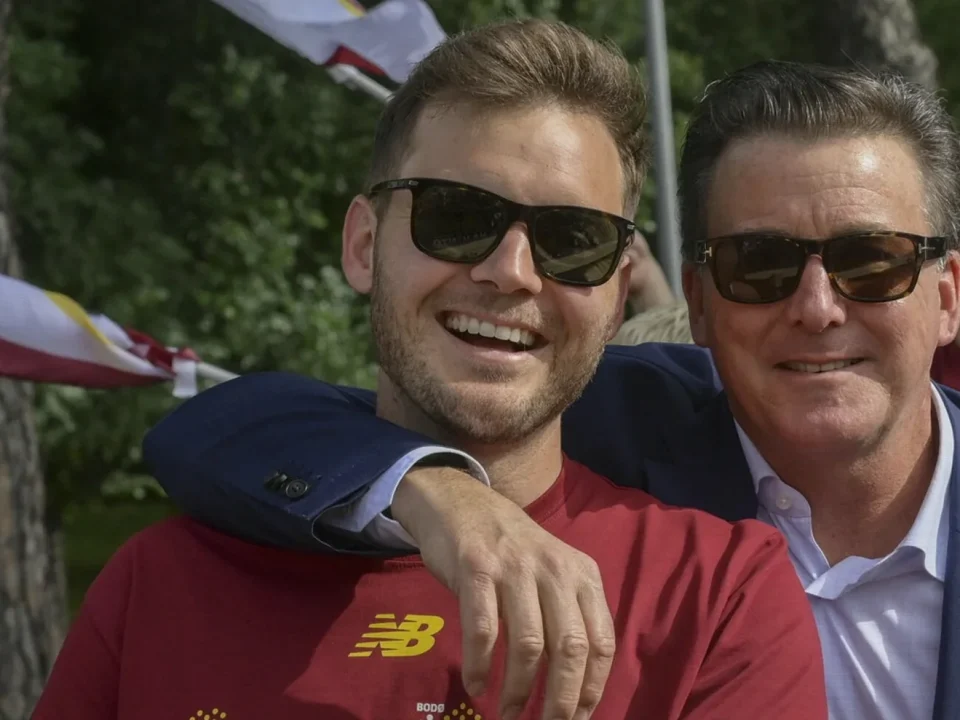
Ryan Friedkin has assumed an increasingly prominent role in the club’s management and in the decisions affecting Roma. His brother Corbin is more closely involved with the family’s French investment, AS Cannes. Both clubs sit within the wider sporting strategy, but they occupy different positions and carry different expectations.
A different distance from Everton
Everton’s recovery remains an important piece of the group’s work. The Liverpool club needed financial repair, and the Friedkins’ contribution has helped give it firmer foundations at a time when the move into the new stadium offered a chance to reshape its future.
However, the owners’ relationship with Everton has appeared more remote. Dan and Ryan Friedkin have not attended an Everton match at the new stadium, despite their involvement in financing the project. The absence underlines the distinction between a club being rebuilt and one that has become the emotional and strategic heart of an ownership’s football operations.
For Roma, that status also brings responsibility. The affection and long-term commitment associated with the project do not reduce expectations of an ownership required to invest, plan and produce a team worthy of the club’s history. But as Everton’s ownership situation potentially evolves, Roma look far removed from any comparable prospect: not simply an asset in a portfolio, but the Friedkins’ enduring bet on Italy, on the capital and on the Giallorossi’s next chapter.