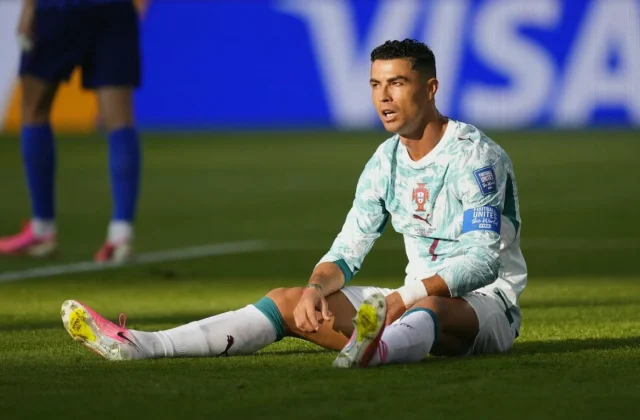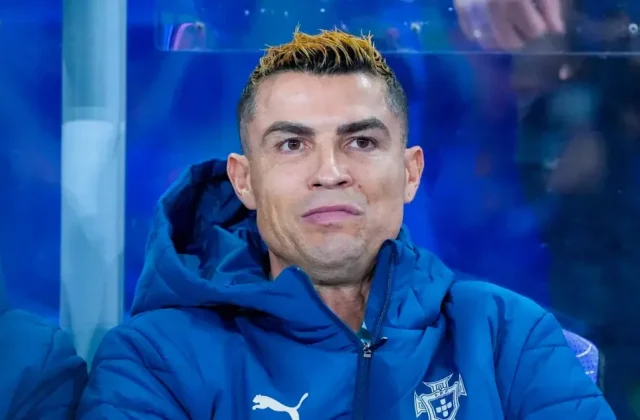
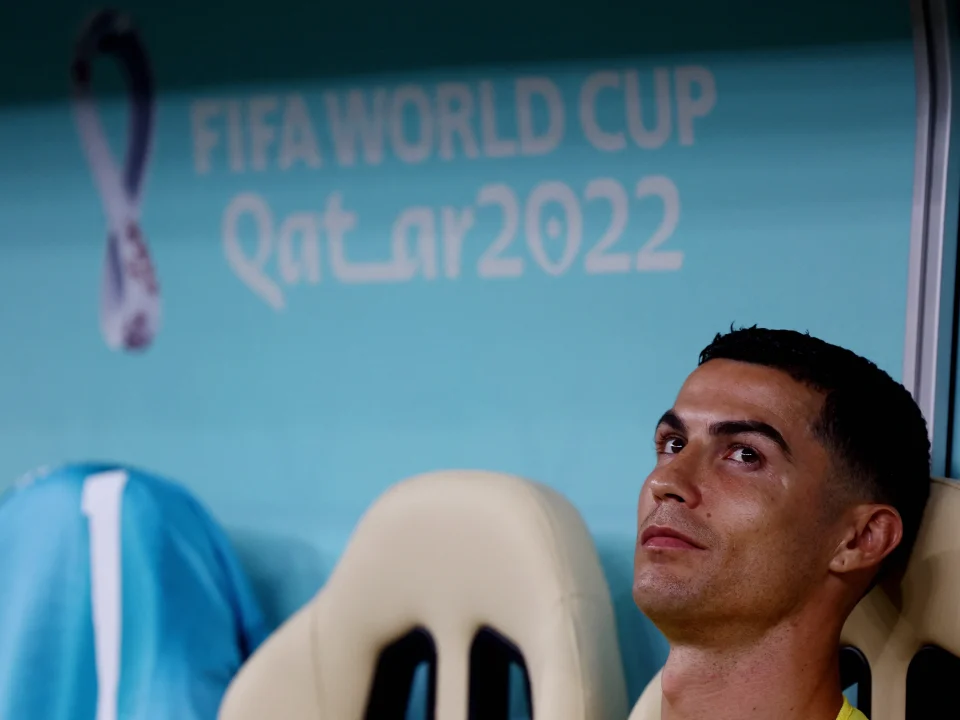
Lisbon’s national-team camp has fractured around its most recognisable figure, with Cristiano Ronaldo leaving Portugal duty after a public dispute over Jorge Jesus’s handling of his minutes. The 41-year-old captain has set out a lengthy account of the episode, accepting responsibility for walking out but accusing the new coach of twice failing to honour agreements made in private.
Ronaldo said he remains willing to return after whatever sanction the Portuguese Football Federation imposes, provided he is fit, playing and scoring for Al Nassr. Jorge Jesus, meanwhile, has indicated that Ronaldo can again be selected if he wants to come back into the Portugal fold.
A plan undone in Scandinavia
Jorge Jesus took charge after Roberto Martínez departed following the 2026 World Cup. Ronaldo said the federation president had urged him on the flight home from the United States to reconsider leaving international football, and had also sought his view on the prospective appointment of Jesus. Ronaldo said he endorsed the choice and welcomed it when the coach was unveiled.
After their first contact, Ronaldo and Jesus met at Cidade do Futebol, where Al Nassr were holding pre-season preparations. Ronaldo said Jesus told him his role would be vital, setting out a fitness-management programme under which he would start the opening and closing matches of each window while the coach made three or four changes per game.
The coach initially suggested that Ronaldo could play the first fixture, remain in Portugal rather than travel to Norway and Denmark, and then rejoin the squad before the match at the Dragão. Ronaldo said he rejected the idea because a captain should not receive special treatment, and stated that Jesus accepted his reasoning. Simão Coutinho, Al Nassr’s sporting director, attended the discussion; Ronaldo noted that Coutinho had worked with Jesus at the Saudi club and was involved in his 2025 appointment there.
Jesus then visited Ronaldo at his Lisbon home on the eve of the next camp, Ronaldo said, and the original arrangement remained in place. Ronaldo started the victory over Wales at Alvalade and, after being substituted, handed the armband to Bruno Fernandes without complaint. He said he had not imagined at that point that he might be nearing his final appearance as a Portugal player and captain.
Portugal’s trip to Norway changed the mood. Ronaldo said an assistant approached him at lunch on matchday with a request from Jesus: could he play for 30 minutes? Believing he was being held back to recover for the Dragão game on the fourth, Ronaldo said he nevertheless agreed immediately.
He warmed up from half-time but was never sent on. Portugal won, but Ronaldo left the pitch at the final whistle without acknowledging supporters. He has apologised to the fans in the stadium, including non-Portuguese spectators who had travelled in the hope of seeing him, describing that reaction as his own mistake.
Jesus had previously said he had intended to use Ronaldo for roughly 20 to 30 minutes in Norway but altered the plan as the match developed. The coach accepted that asking him to warm up and then leaving him unused had been his error. In the pre-Denmark press conference, he also insisted that selection decisions belonged to him regardless of Ronaldo’s standing.
The forward was again named among the substitutes against Denmark, with Gonçalo Ramos selected to start as Jesus had signalled. Ronaldo did not enter, and Ramos scored the away goal that secured Portugal’s win.
Ronaldo’s account of the meeting
Ronaldo said that 48 hours after Norway he met Jesus and Coutinho for an unusually direct conversation. Their proposed solution, he said, was for Jesus to begin his next press conference by making clear that Ronaldo had not requested playing time, that the coach alone had designed the international plan, and that it was a mistake to have him warming up without introducing him.
Ronaldo said Jesus also agreed to say he wanted him strongly in the squad and recognised his long service to Portugal. The notes Ronaldo approved described him as professional, loyal and compliant with the programme. They included the view that a player of Ronaldo’s stature should not have been used as a substitute warming up without appearing, comparing his status with Pelé and Diego Maradona.
The intended message also addressed the supporters’ issue, arguing that a player with more than 230 Portugal appearances did not need lessons in commitment to the country and that his response in Norway was simply frustration.
But Ronaldo said Jesus’s eventual public manner bore no resemblance to that understanding. He described the coach’s language as aggressive and said the conference conveyed an attitude of unilateral authority that he had not encountered in their private conversations. In Ronaldo’s view, it was a second broken promise.
Before that media appearance, Ronaldo said he had told both the federation president and Jesus that they only needed to be honest if they no longer wanted him involved. He said both replied that his place remained with Portugal.
Ronaldo left the camp after Jesus’s press conference, despite the coach having said he expected him to train with the group. The departure came after reports of his absence from a Tuesday session and a meeting involving the federation president, Ronaldo and Jesus that had appeared to ease tensions. Jesus had initially denied there was any serious dispute between them, but repeated questioning over Norway and his relationship with the captain dominated his media duties.
In his statement, Ronaldo apologised to his international team-mates for departing and said he should not have done so, even though he felt his trust in the coach had disappeared. He asked the federation to assess and punish his action without mitigation, arguing that the captain’s responsibility made the matter more serious rather than less.
He rejected the idea that Portugal owed him a farewell occasion, while saying that one or more goodbye matches could be arranged in time. For now, he said, his focus remains competition rather than ceremony. He recalled staying with the Portugal squad after learning of his father’s death before a match, presenting it as evidence of the importance he has attached to representing the country.
Ronaldo also maintained that he has never sought to interfere with a coach’s tactical or technical choices during almost 25 years in football. His objection, he said, was not to being left out but to commitments being abandoned. Whether that distinction can be repaired will determine if the captain’s long Portugal career resumes after his expected suspension.