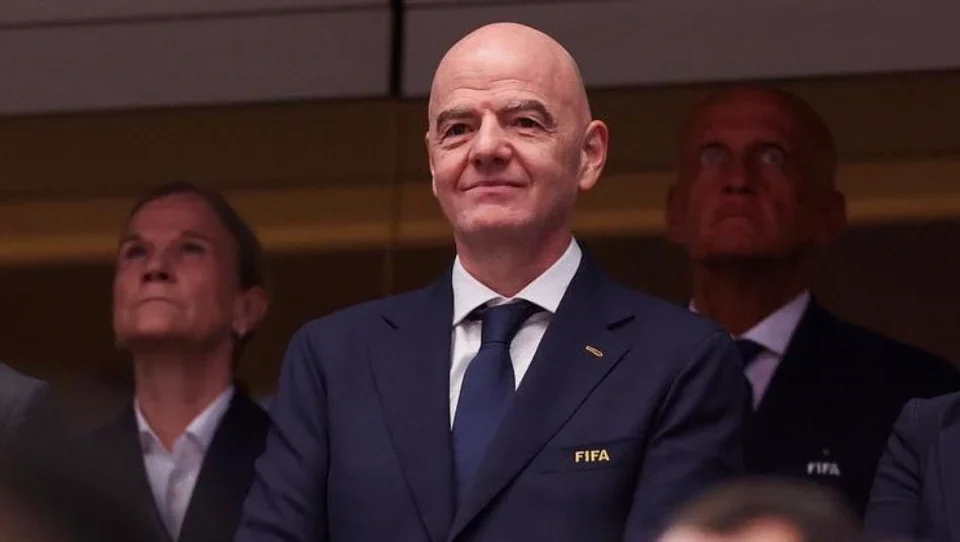
From London and Madrid to Munich and Milan, Europe’s four biggest domestic leagues have opened a new front in football’s argument over power, money and representation. The Premier League, LaLiga, Bundesliga and Serie A have jointly called on FIFA and its president, Gianni Infantino, to overhaul the governing body’s decision-making structure.
The leagues say FIFA must become more transparent, more accountable and more responsive to the federations, competitions, clubs and players affected by its policies. Their intervention follows disputes around plans connected to the commercialisation of World Cup revenues, which have prompted concern among national associations.
A call for a different FIFA structure
In their joint position, the four leagues argued that FIFA proposals have not sufficiently safeguarded the interests of football’s wider community. They warned that weaknesses in governance risk damaging the foundations on which the game has been built.
- The leagues want a permanent representative body bringing together national associations, leagues, clubs and players from both the men’s and women’s game.
- They say those groups should receive full information about FIFA initiatives and should have meaningful influence over decisions that affect them.
- They insist that major issues, including the international calendar, working conditions, competitions and football’s key assets, should require the agreement of the stakeholders most directly involved.
The demand comes from competitions whose clubs supply a substantial share of the players, audiences and commercial value attached to international football. Their argument is not solely about the fixture list, but about who has a voice when FIFA sets the direction of the global game.
Transparency and independent oversight
The second part of the leagues’ programme concerns the evidence behind FIFA decisions. They want significant initiatives to be supported by verifiable information, clear explanations and independent assessments of the impact on players, clubs, competitions and supporters.
They also called for a sharper divide between FIFA’s commercial operations and its regulatory responsibilities. In their view, safeguards are needed to ensure that the pursuit of commercial income cannot influence the organisation’s role as football’s global rule-maker.
- Ethics bodies should operate independently from FIFA’s administration and presidency.
- Financial supervision should be free from influence by FIFA’s executive leadership.
- Electoral procedures should likewise be protected from internal political or commercial pressure.
- Rights linked to FIFA’s leading tournaments, including the World Cup, should be managed for the benefit of football as a whole rather than through a purely commercial lens.
Election demands and a proposed convention
The leagues have taken their case into the debate around FIFA’s next presidential term. They have asked every candidate for the presidency to endorse the governance principles and publish a reform programme before the election.
- Within the first 100 days of the next mandate, the new president would be expected to convene a Governance Convention.
- The gathering would be led by an independent figure and include FIFA member associations alongside representatives from across football.
- Its conclusions would then be published within six months.
The four leagues also want an election conducted under fair rules. They said FIFA’s financial, legal, communications and marketing resources, as well as funds intended for football development, must remain neutral and must not be used to assist any candidate.
They have invited confederations, national federations, clubs, player unions, supporter organisations and public authorities to back the proposals.
“This is the moment to decide not only who leads FIFA, but how FIFA should be led,” the leagues said, arguing that the organisation’s legitimacy must rest on accountability, openness and the trust of the entire football community.