From Madrid to Milan, via the packed weekend grounds of England and Germany, four of Europe’s leading domestic leagues have drawn a line beneath a wider argument about who is shaping football’s future. LaLiga, the Premier League, the Bundesliga and Italy’s top flight have jointly called for deep reform at FIFA, saying the global game cannot be governed through decisions that leave the leagues, clubs, players and supporters who sustain it each week on the margins.
The statement begins with a reminder of the balance at stake. The World Cup may stand as football’s grandest occasion, the leagues say, but the sport’s everyday strength comes from local communities and full stadiums, from the people and institutions carrying the game through a full domestic season. Their concern is that this foundation is being placed under growing strain by the way FIFA exercises its authority.
The four competitions argue that FIFA president Gianni Infantino has advanced initiatives they consider excessive rather than shielding football from them. They cite the abandoned FIFA Forward Enterprise project as a warning: although the proposal was ultimately withdrawn after opposition from football’s stakeholders, they believe the circumstances that allowed it to emerge have not been addressed.
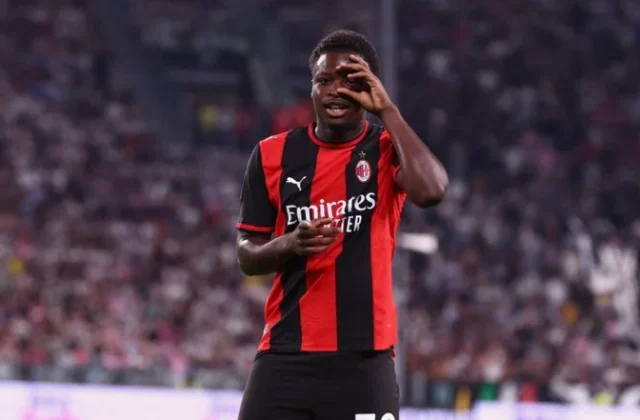
For the leagues, a review of procedures would not be enough. They want a structural reset that places firm constitutional limits on FIFA’s leadership and keeps individual disciplinary matters clearly beyond political influence. Their wording refers to the episode in which an American player, Balogun, avoided a sanction after intervention by United States president Donald Trump.
A challenge to concentrated power
The statement does not present the dispute simply as one about an individual office-holder. Instead, it asks whether FIFA’s president should be able to hold regulatory, commercial and political power at the same time without meaningful checks, including consent from those directly affected by its decisions.
The leagues recall that FIFA’s own reform process, launched more than a decade ago amid criminal cases involving senior football figures, was meant to confront comparable weaknesses. Yet they say football has again experienced one of the most serious abuses of authority in FIFA’s history.
Much of the immediate tension lies in the international calendar. FIFA’s continuing expansion, the leagues argue, reaches every part of the professional game when it extends international windows and increases the periods in which domestic competitions must stop. Those pauses have consequences far beyond fixture lists: they touch club planning, player workloads, match-going supporters and the financial and social stability of national leagues.
The four leagues also pointed back to their complaint to the European Commission in October 2024 over the International Match Calendar. In their view, that case stems from a defective governance framework which allows FIFA to use regulatory authority in pursuit of commercial objectives without properly weighing the effect on domestic competitions and their stakeholders.
Three demands for a different FIFA
The proposed alternative is a governing arrangement described as transparent, objective, proportionate and inclusive. The leagues have set out three central tests for such a system.
- FIFA should establish a permanent body with meaningful influence over decisions, representing national associations, leagues, clubs and male and female players.
- Major FIFA initiatives should be supported by a clear rationale, relevant evidence and an independent assessment published before any decision is taken. That examination should consider the consequences for players, clubs, leagues and fans.
- FIFA’s regulatory duties should be protected from its commercial role as a global competition organiser through strong institutional safeguards.
That final point goes to the centre of the European leagues’ objection. They argue that trust, legitimacy and accountability require genuine separation between regulation and commercial ambition. Bodies dealing with ethics, financial oversight and electoral procedures, they say, must have appointments, budgets and powers that are independent from both FIFA’s administration and its presidency.
It is a message sent from domestic football’s regular rhythm rather than from the spectacle of a tournament summer. The four leagues are not challenging the place of the World Cup; they are insisting that the calendar, authority and commercial direction of the international game should not be decided at the expense of the competitions that keep football alive from one weekend to the next.