Cesc Fabregas met Como’s European setback in Rotterdam with a simple instinct: keep the weight of the evening away from his players. After the defeat to Feyenoord at De Kuip, the coach took responsibility for a performance that did not match the level shown in the home opening against Leipzig, while insisting that difficult nights are part of a young side’s education.
The coach and the club
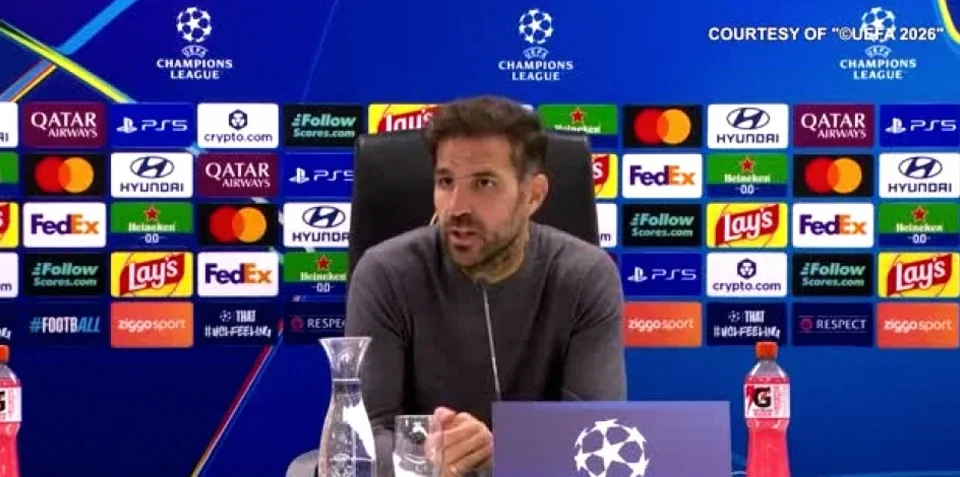
“Aim at me, not the boys,” Fabregas said as he faced the media, making clear that he would not use individual mistakes as a shield. His first explanation concerned the attacking role given to Nico Paz, who was deployed further forward than usual.
Fabregas said the idea had been designed to hurt Feyenoord in that area of the pitch, and it had helped produce Como’s goal. The plan had particularly been prepared for Diao, the scorer, whose evening was then interrupted by injury soon after he found the net.
The Spanish coach also pointed to the force of De Kuip, where Feyenoord’s supporters drove their team throughout the 90 minutes. Drawing on an 18-year playing career that included more than 110 Champions League appearances, Fabregas said he had experienced many European defeats shaped by a stadium’s energy. Such occasions, he told his squad, should not leave heads lowered but should help them mature.
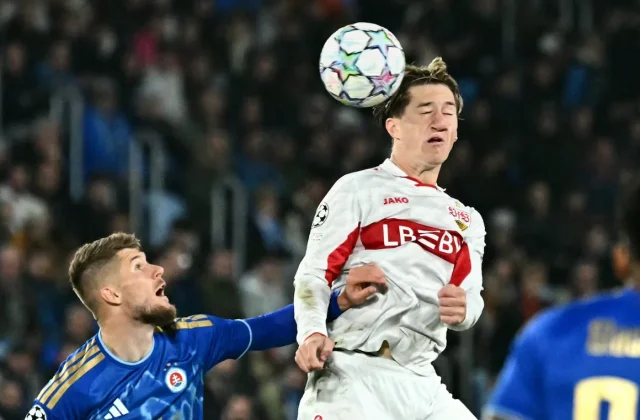
He refused to isolate the second-half drop in intensity or the errors that proved costly. Como, he felt, were in their strongest spell when Feyenoord scored to make it 2-1. Even after the Dutch side extended the margin to 3-1, he saw his players continue to push, with the late goal offering proof that they had not abandoned the contest.
“When something goes wrong, it belongs to me,” Fabregas said. “The players need space to gain experience.”
A lesson for a young group
Feyenoord, led by Giovanni van Bronckhorst, received generous recognition from the Como coach. Fabregas described the Dutch club as strong, well structured and accustomed to controlling matches and collecting victories. That habit of winning, he suggested, can make the decisive moments fall a team’s way even when it is not clearly superior on paper.
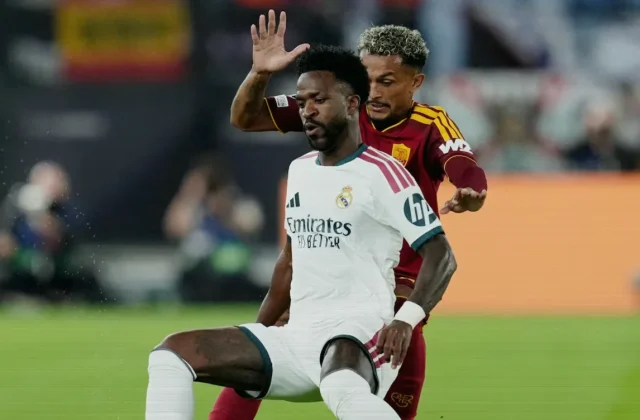
He also highlighted Musa as the outstanding figure of the match, calling him a player from a different level and admitting that Como do not yet possess someone capable of creating that same difference in this competition.
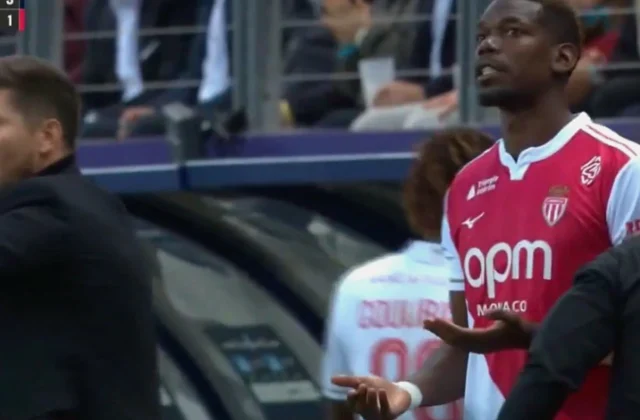
Jesus Rodriguez was the one young player Fabregas discussed directly. The Spaniard lost possession twice in moves that led to two Feyenoord goals, but his coach did not frame those moments as a personal condemnation.
Instead, Fabregas placed them in the context of Champions League learning. Rodriguez must feel the consequences of such a night and use defeat to ensure the same situations are handled better next time, he said. Development does not follow one timetable: some players need a few months, while others require two or three years.
Serie A remains the priority
For Fabregas, the European stage remains an extraordinary marker of Como’s rise rather than the club’s main obligation this season. He recalled that, three years ago when his work began, the team stood sixth in Serie B. Now he was discussing Como’s second Champions League match in their history.
That journey has not changed the order of priorities. Fabregas said Serie A is still the central target for Como, while the Champions League is “a gift from life.” The immediate task is to regain calm and turn attention towards the trip to Florence, where Fiorentina await in the league.