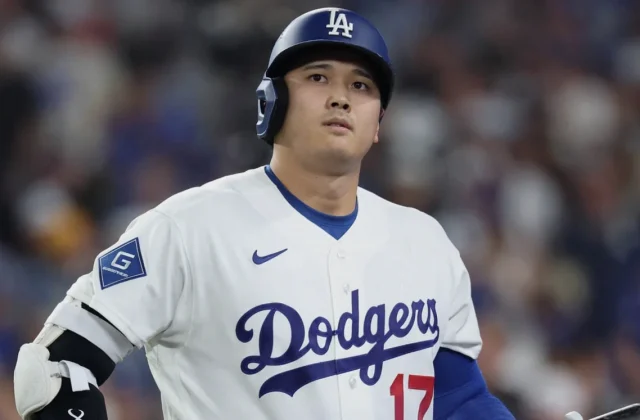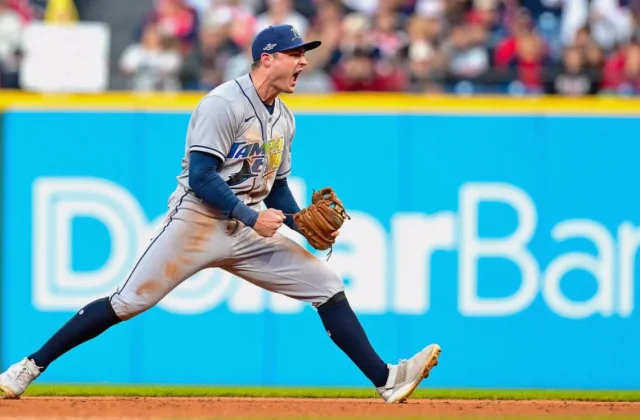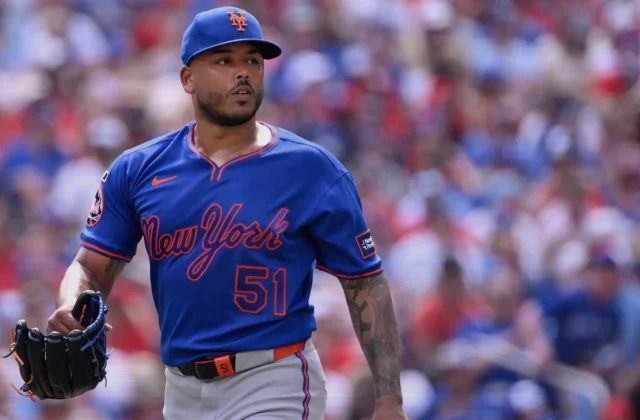
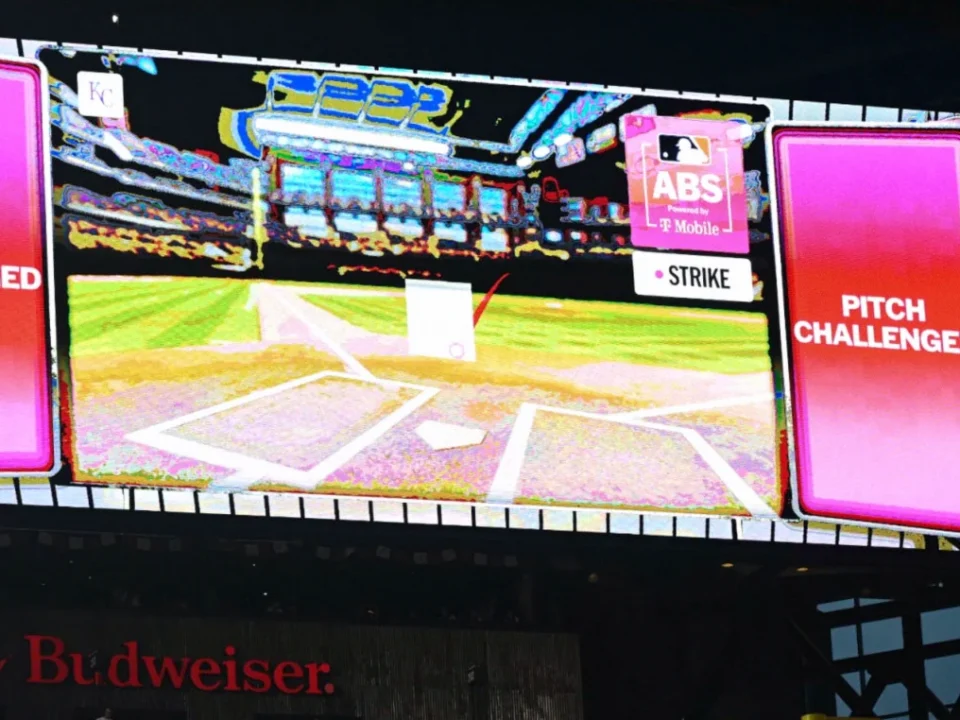
The postseason is arriving with a new bit of pressure on every border-line pitch: the ABS challenge system. A called strike can now become a ball, a called ball can turn into a strike, and in October those reversals may decide far more than a single plate appearance. The four Wild Card Series offer a useful first look at which clubs have handled that pressure best—and which players are likely to tap the helmet in a big spot.
Phillies and Braves bring two different catcher styles
Philadelphia enters its National League Wild Card Series as baseball’s strongest club at turning calls around. The Phillies lead the Majors by a wide margin in overturns above expectation, a measure comparing their successful challenges with what an average team would be expected to gain on the same pitches. Their hitters rank second in successful offensive challenges, while their catchers have been the game’s best behind the plate.
Bryce Harper has supplied much of the action from the batter’s box. With relatively few pitches finding the zone against him, Harper has shown little interest in accepting a called strike he believes missed. He challenged 17% of the pitches available to him, one of the highest rates in the sport. His 21 successful reversals came in 47 tries, leaving him second among hitters in challenges won.
J.T. Realmuto has been even more efficient. Among the 77 catchers who made at least 20 challenges during the regular season, no one posted a better success rate. Realmuto finished 70-16, winning 81% of his appeals. The catch is that he used challenges on only about one-quarter of the incorrect calls that hurt Philadelphia, suggesting there are still calls the Phillies could pursue.
Atlanta catcher Sean Murphy represents the more aggressive alternative. Murphy challenged more than half of his available winnable opportunities, placing him among the Major League leaders in that category. His 60% success rate did not match Realmuto’s, but Braves pitchers can expect him to take a shot when a close call appears worth contesting.
- Phillies-Braves, NL Wild Card Series Game 1: Today, 2 p.m. ET, NBC and Peacock.
Cubs have been efficient, while Padres have struggled
Chicago has won 59% of its challenges, a top-five Major League rate and the best mark among the 2026 postseason field. Only Philadelphia ranks ahead of the Cubs in overturns above expectation, with both Chicago hitters and catchers contributing to that edge.
Carson Kelly has produced a 69% success rate behind the plate, though, like Realmuto, he has not challenged as frequently as his results might justify. At the plate, Seiya Suzuki is 12-5 on challenges and Alex Bregman has won 15 calls.
San Diego’s record is considerably less encouraging. The Padres have succeeded on only half of their challenges. Their hitters are at 45%, and their catchers at 54%; both figures rank sixth from the bottom among teams.
Manny Machado has been particularly busy without much return. He went 10-for-28, a 36% rate that sits in the bottom 10 among the 67 hitters with at least 20 challenges. The Padres could also turn to 20-year-old catcher Ethan Salas. He has spent only one month in the Majors, but has already shown a willingness to appeal close calls and has converted the opportunities he has identified.
- Cubs-Padres, NL Wild Card Series Game 1: Tuesday, 10 p.m. ET, 9 p.m. CT and 7 p.m. PT, Peacock and NBCSN.
Altuve makes his appeals count against White Sox volume
Jose Altuve has combined frequency with strong judgment for Houston. The veteran second baseman challenged 37 calls, third most among hitters, and still won 57% of them. His 21 reversals tied Harper for second in the Majors, though Altuve needed 10 fewer attempts to reach that total. Six of those wins erased strikeouts that otherwise would have gone on his line.
Munetaka Murakami has also been willing to challenge, especially for a hitter whose approach depends heavily on laying off pitches outside the zone. He appealed 34 calls and finished 16-18. The result has not been as sharp as Altuve’s, but each successful reversal gives Murakami another opportunity to hunt a pitch he can drive.
Chicago’s catchers took the opposite route from Philadelphia’s selective excellence: they challenged everything in sight. White Sox catchers made 280 appeals, more than any other club, but won only 49%, the lowest team rate in baseball. Fielding teams across the league succeeded 58% of the time.
The White Sox lost 142 challenges, nearly 30 more than the Brewers, who ranked next. Still, their 138 successful appeals ranked fourth among all teams. Chicago left fewer winnable challenges unused than any club, illustrating that volume can create value even when it also creates a long list of misses.
- Astros-White Sox, AL Wild Card Series Game 1: Today, 5 p.m. ET and 4 p.m. CT, NBC, Peacock and NBCSN.
Yankees get offensive returns, Red Sox have a new catcher advantage
The Yankees have been aggressive from the batter’s box, and their hitters have made that approach work. They won 96 challenges, tied with the Mets for the most by any offense, while maintaining a success rate above 50%.
Rookie shortstop George Lombard Jr. is a name worth watching in a late-inning dispute. He is already 7-for-9 on challenges and has shown no reluctance to ask for a review.
Aaron Judge has been much more restrained. Despite the unusual strike-zone picture created by his 6-foot-7 frame, Judge challenged only eight calls and won six. Every one of those successful appeals involved a pitch at the lower edge of the zone. If he is in the lineup, he may not challenge often, but his record suggests he chooses carefully.
Boston’s addition of Adley Rutschman at the Trade Deadline has strengthened its challenge game behind the plate. Rutschman went 46-22 for the season, a 68% rate, and has been 24-10 since joining the Red Sox. Boston catchers have created 43 strikeouts through successful challenges, third most in the Majors and the highest total among playoff teams. Rutschman has quickly become a major piece of that defensive weapon.
- Yankees-Red Sox, AL Wild Card Series Game 1: Tonight, 8 p.m. ET, NBC and Peacock.
The Wild Card round will still be decided by pitching, swings and the usual October nerve. But the challenge system adds another decision to the dugout and another responsibility for the catcher. One correct signal on a ball near the edge can save a strikeout, create one, or turn the next inning in a different direction.