Inter’s latest accounts offer a different kind of midweek result: the club have recorded a second successive profit while keeping the sporting project intact. In an era when stability can decide as much as a summer sale or a Sunday result, the Nerazzurri have moved their net worth back above zero without dismantling the squad.
The decision
Inter’s board of directors has approved accounts showing a €22.7 million profit for the most recent financial year. It follows the €35.4 million surplus recorded in 2024-25, making it two profitable seasons in a row.
The figures will now go to the shareholders’ meeting by mid-October. Revenue reached €518 million, the second-highest total in Inter’s history, behind only the €567 million generated in the previous season.
That comparison carries an important sporting context. In 2024-25, Inter reached the Champions League final, while last season’s European campaign ended against Bodo in February. The earlier exit removed a major source of income, yet the club still closed the year in profit.
Perhaps the most significant line in the accounts is the recovery in net equity. Inter have returned to a positive figure of €10.4 million, after ending 2024-25 around €12 million below zero. The swing is therefore more than €22 million over twelve months.
Stability alongside ambition
The numbers reflect the direction taken since Oaktree assumed control from Suning. The American investment fund inherited a club that had already begun a process of financial repair, then retained the existing management structure and elevated Giuseppe Marotta to the presidency.
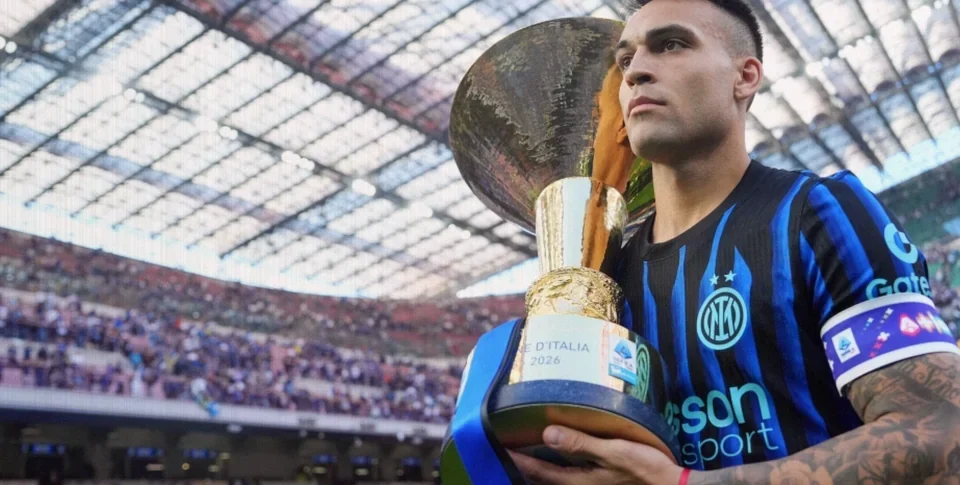
That continuity matters. Inter’s improvement has not been built around weakening the team in order to balance the books. The club have maintained their leading players, with Lautaro Martinez staying in Milan during the latest transfer window, while promising younger members of the squad have also been retained.
The old Italian model of owners absorbing ever-growing losses is no longer the natural order of the game. At Inter, the aim has been to make sporting strength and financial discipline serve one another: results on the pitch support revenues, while healthier accounts reduce the need for forced departures.
For a club still pursuing trophies, that is not a celebration to be staged in the streets. It is nevertheless a meaningful stage in the season-long work of building a side capable of competing for the Scudetto without needing to sell its best footballers to solve an old problem.