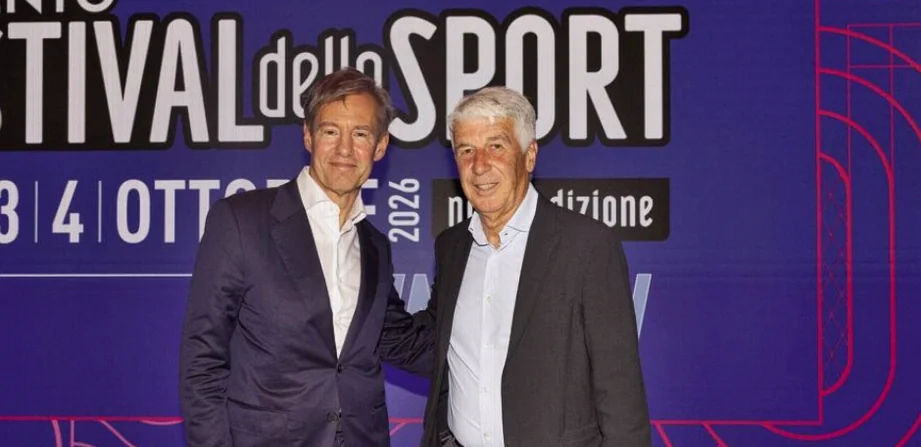
Roma’s next chapter is being written around two linked ambitions: a return to regular European relevance on the pitch and a stadium project intended to alter the club’s financial horizon. John Galantic, the club’s new chief executive, has set out how the Friedkin family’s investment programme is meant to carry Roma towards its centenary and beyond.
A project beyond the transfer window
Galantic arrived at Roma with a long corporate background, including senior roles in marketing and luxury business, a place on Ferrari’s board and, since 2024, the position of chief executive of the Tod’s Group. A Boston native, he graduated from Tufts University before completing an MBA at Harvard Business School, and his previous work included GlaxoSmithKline, Coty Americas and Chanel.
Yet he presented his move to the Giallorossi as something more personal than a conventional executive appointment. A lifelong Roma supporter, Galantic had known the Friedkin family for years while working at Tod’s and believed the moment had come to accept a challenge he considered too compelling to refuse.
“This was not a career decision,” he said. “I have already had my career. It is about passion, but passion alone is not enough. You must believe you can win something.”
For Galantic, the ownership’s commitment, available resources and belief in building something substantial supplied that conviction. Roma have already allocated €1 billion in investment, while the proposed new ground at Pietralata carries a projected cost of €1.3 billion.
Galantic’s first weeks in the role
- Galantic began work on the opening day of Roma’s pre-season camp in Wales.
- He entered immediately into a busy market period alongside Gian Piero Gasperini, whom he described as a demanding coach.
- He said the club had approached its recruitment work proactively rather than waiting on other teams’ decisions.
- His arrival followed Roma’s return to the Champions League, placing him in what he called a positive sporting moment for the club.
The chief executive said the Friedkins remain deeply engaged on matchdays despite their preference for discretion in public. Dan Friedkin, he argued, has built a business empire across several sectors while rarely giving interviews, a reserve that can seem unusual to a Roman audience accustomed to constant debate around its football club.
“They asked me to speak,” Galantic said of the owners. “But they are fully involved for the games, and nobody makes investments of this scale without believing in the project.”
Academy, Under-23 side and Cannes links
Roma’s plan is not limited to acquiring established players or relying on capital gains from departures. Galantic identified three development routes designed to make the football operation more durable and to bring more home-grown talent into the senior group.
- A renewal of the youth system, with work involving figures including D’Amico and Margiotta.
- The creation of an Under-23 step between Primavera football and the first team.
- Closer connections with Cannes, providing access to a market regarded by the club as rich in emerging talent.
Players such as Lulli and Niccolò Pisilli were cited as examples of the type of internal progression Roma want to encourage. The objective is to introduce newly developed players into the senior environment each year, allowing the squad to grow while giving the club a more sustainable model.
Pietralata and the financial turning point
The proposed Pietralata stadium remains the central pillar of Roma’s longer-term strategy. The club is targeting the laying of the first stone by March 2027, after reaching what Galantic described as a more advanced approval stage than in the three previous attempts to deliver a new home.
If the plan proceeds as expected, Roma forecast a 245% increase in revenue in the first season of operation compared with 2025, before taking potential new sponsorship agreements into account. Galantic believes the venue could transform both sporting and commercial prospects within four years.
“The stadium changes everything,” he said. “It raises revenues and gives us the chance for a very important step forward, on the sporting side and economically.”
He stressed that the design is intended first for supporters. While recognising the history and memories attached to the Stadio Olimpico, Galantic said it was not built specifically as a football stadium. Roma have studied a number of features for the new ground, including the possibility of a more unified Curva Sud.
The project also carries significance beyond the club, in Galantic’s view. A €1.3 billion investment would be a notable signal for Italy and could encourage comparable projects elsewhere in the country.
As Roma approach their centenary, the club see the occasion as a chance to honour the major figures who have worn the Giallorossi shirt while preparing for a future in which a new stadium, a stronger academy pathway and sustained ownership backing are expected to shape the next era.